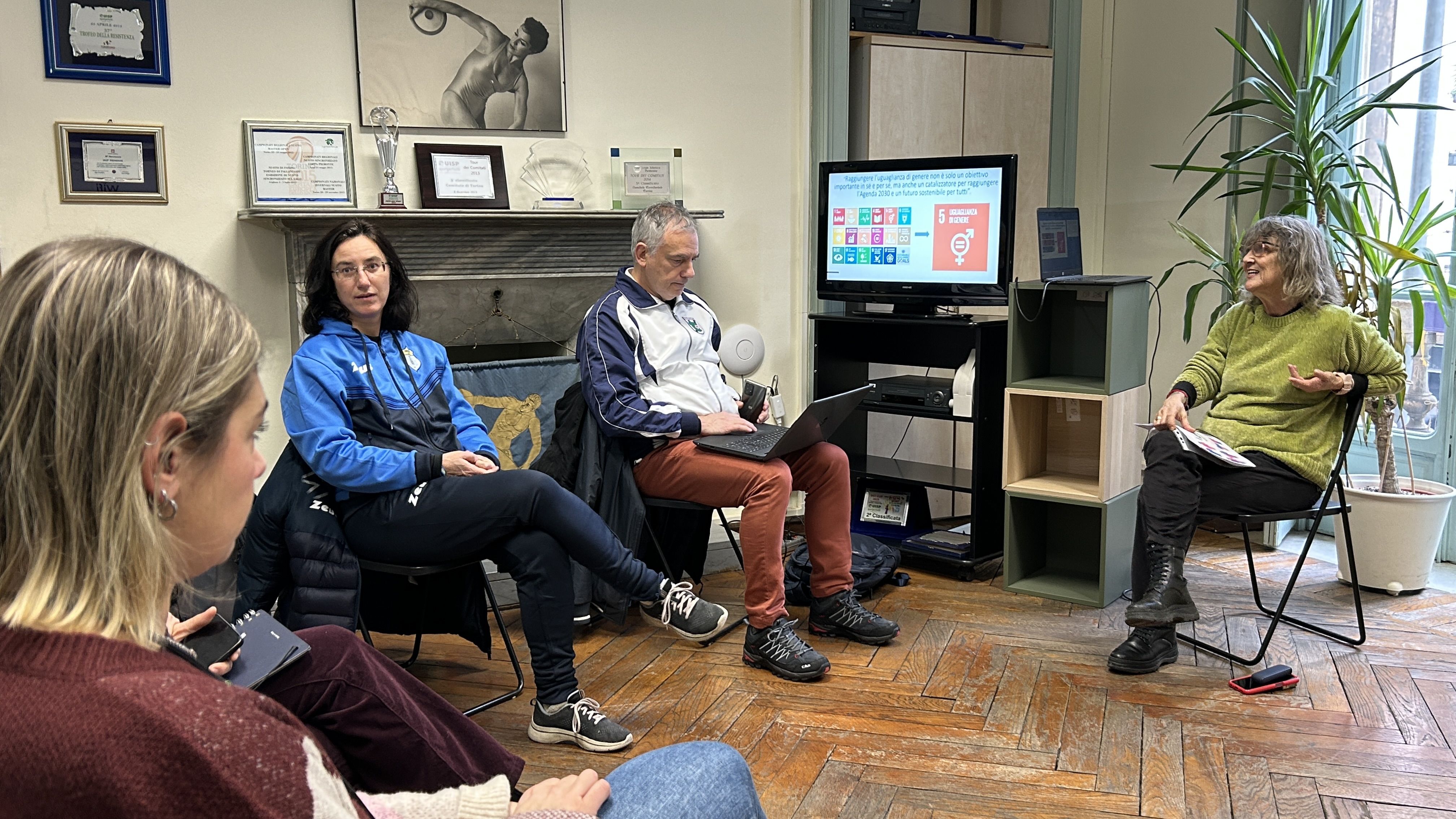
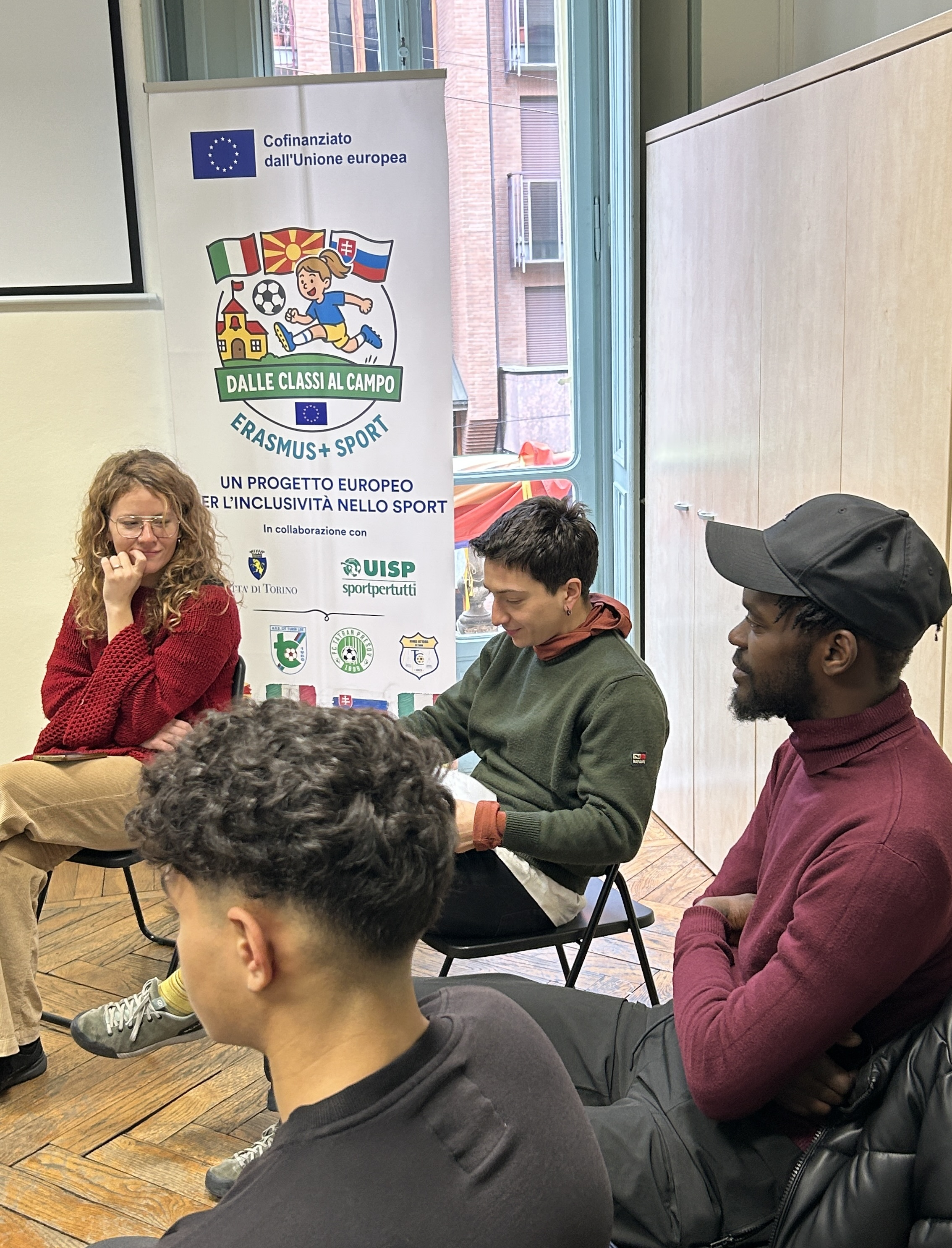
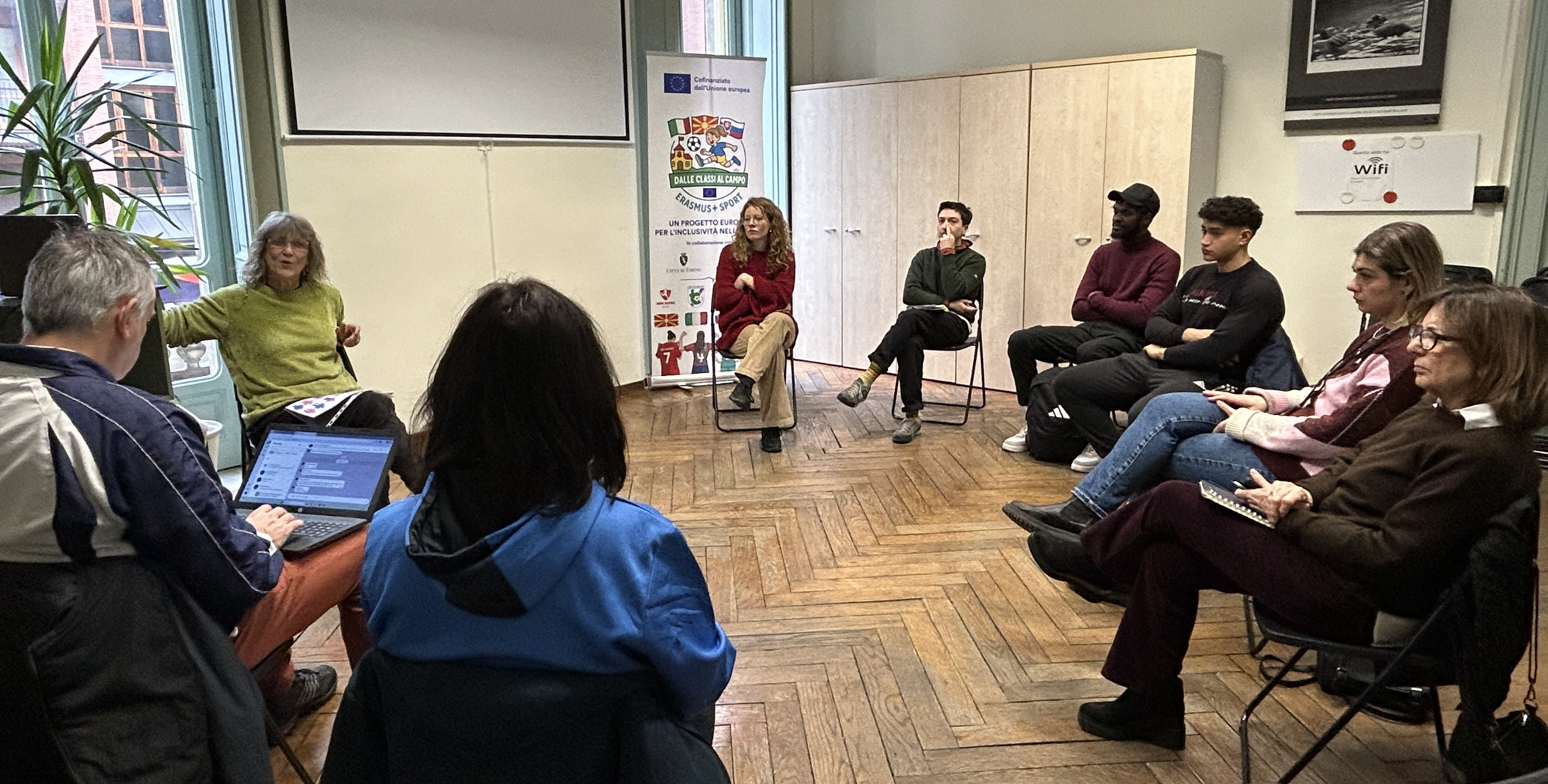
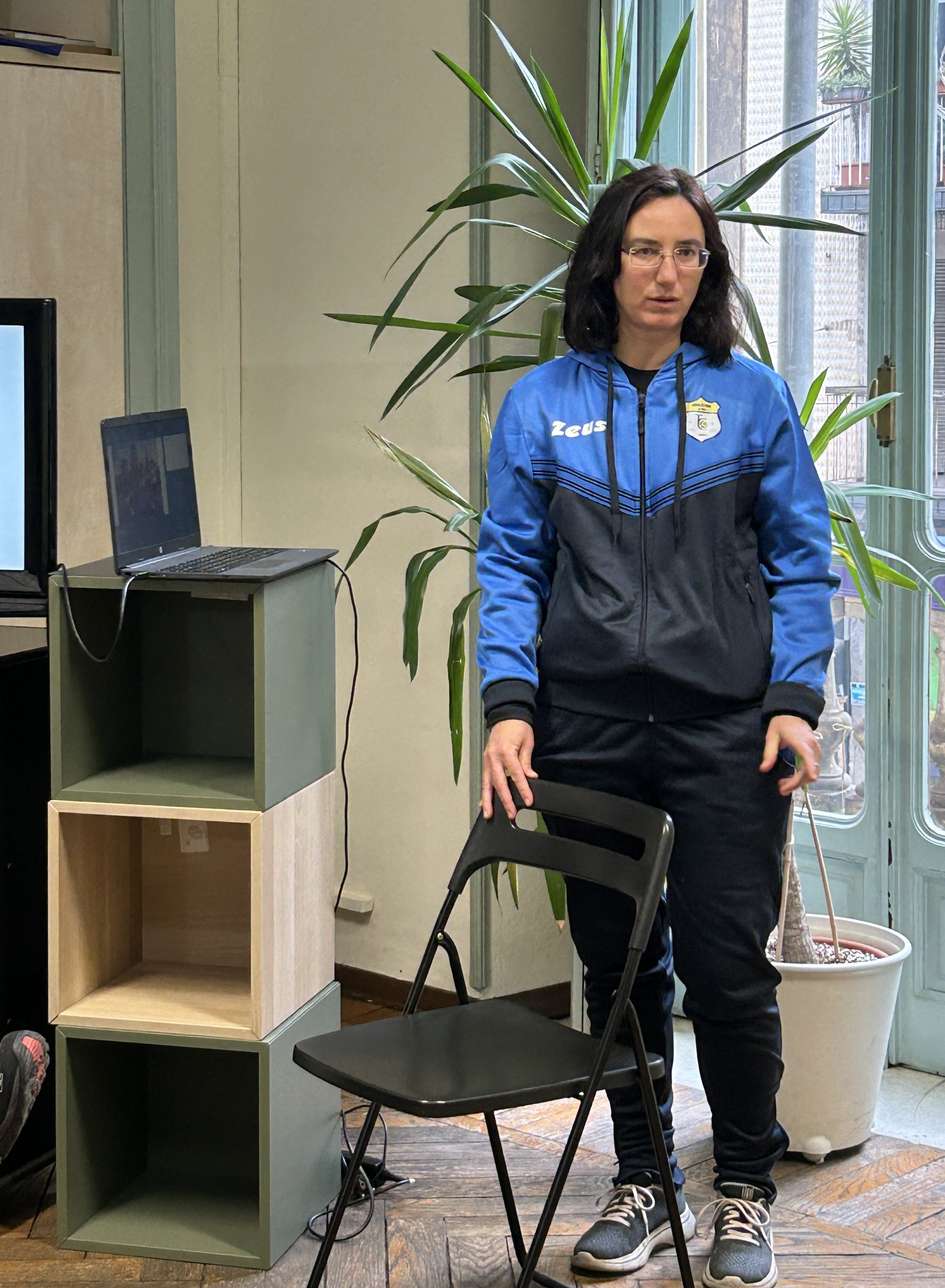
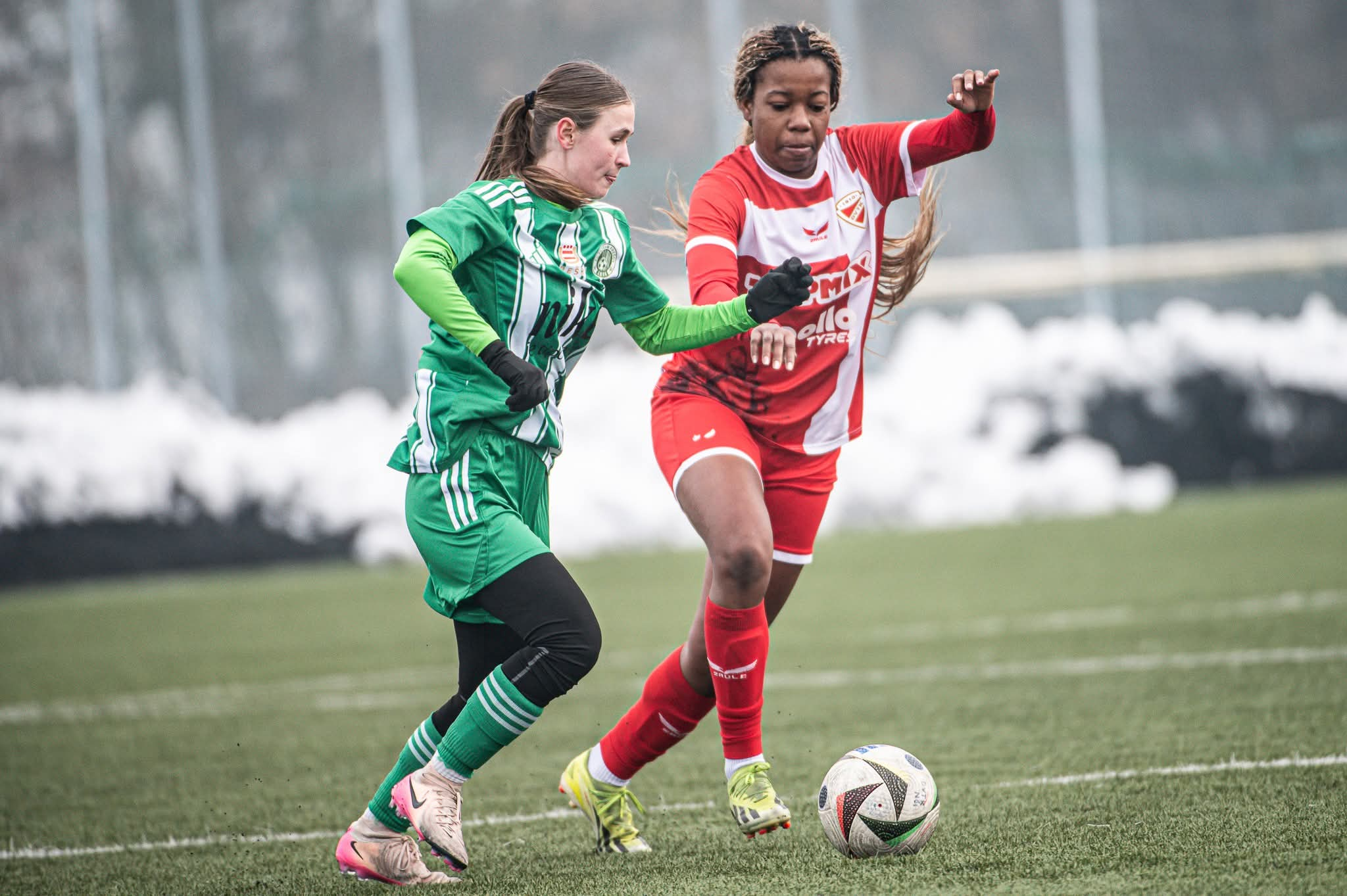
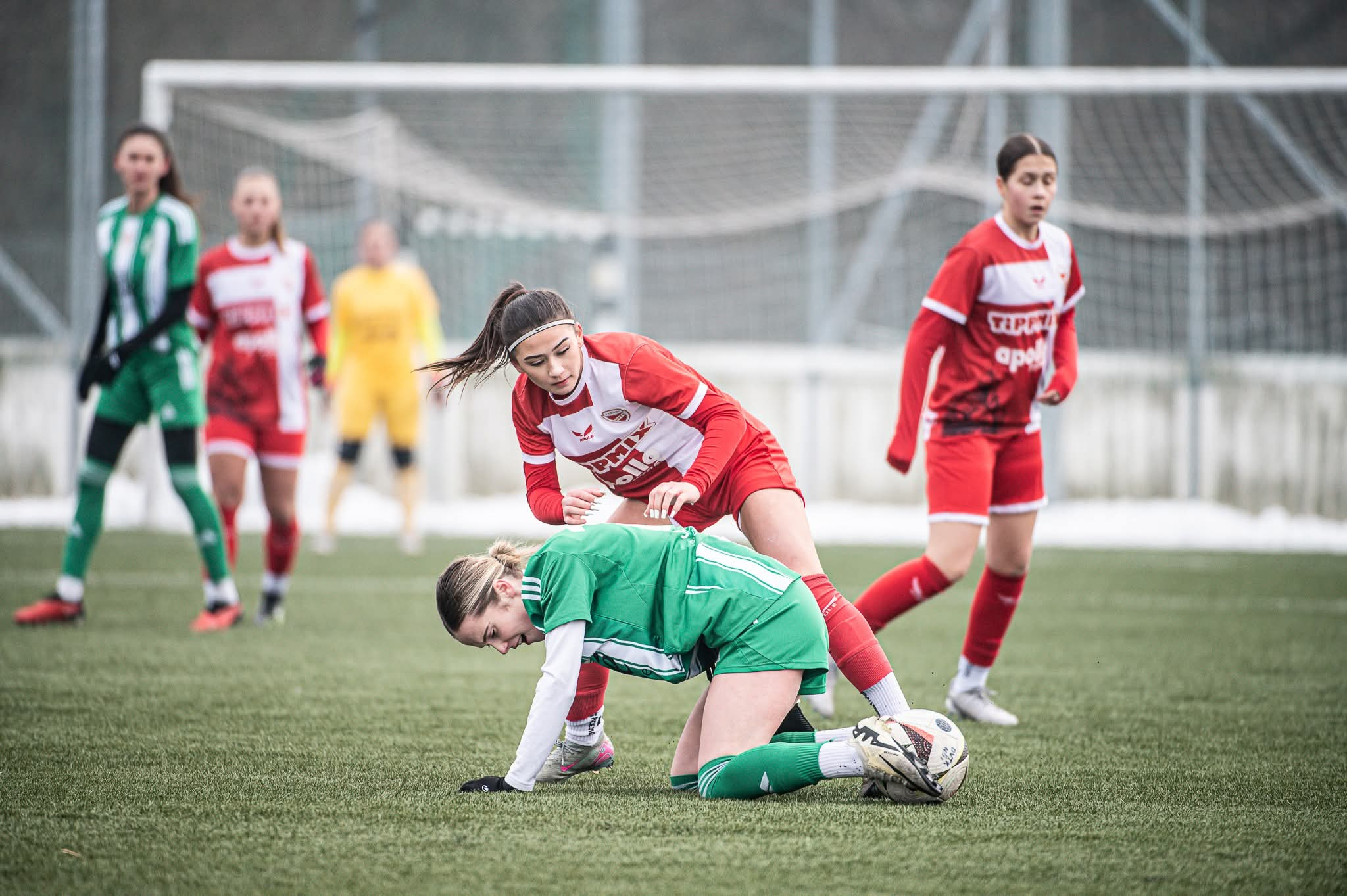
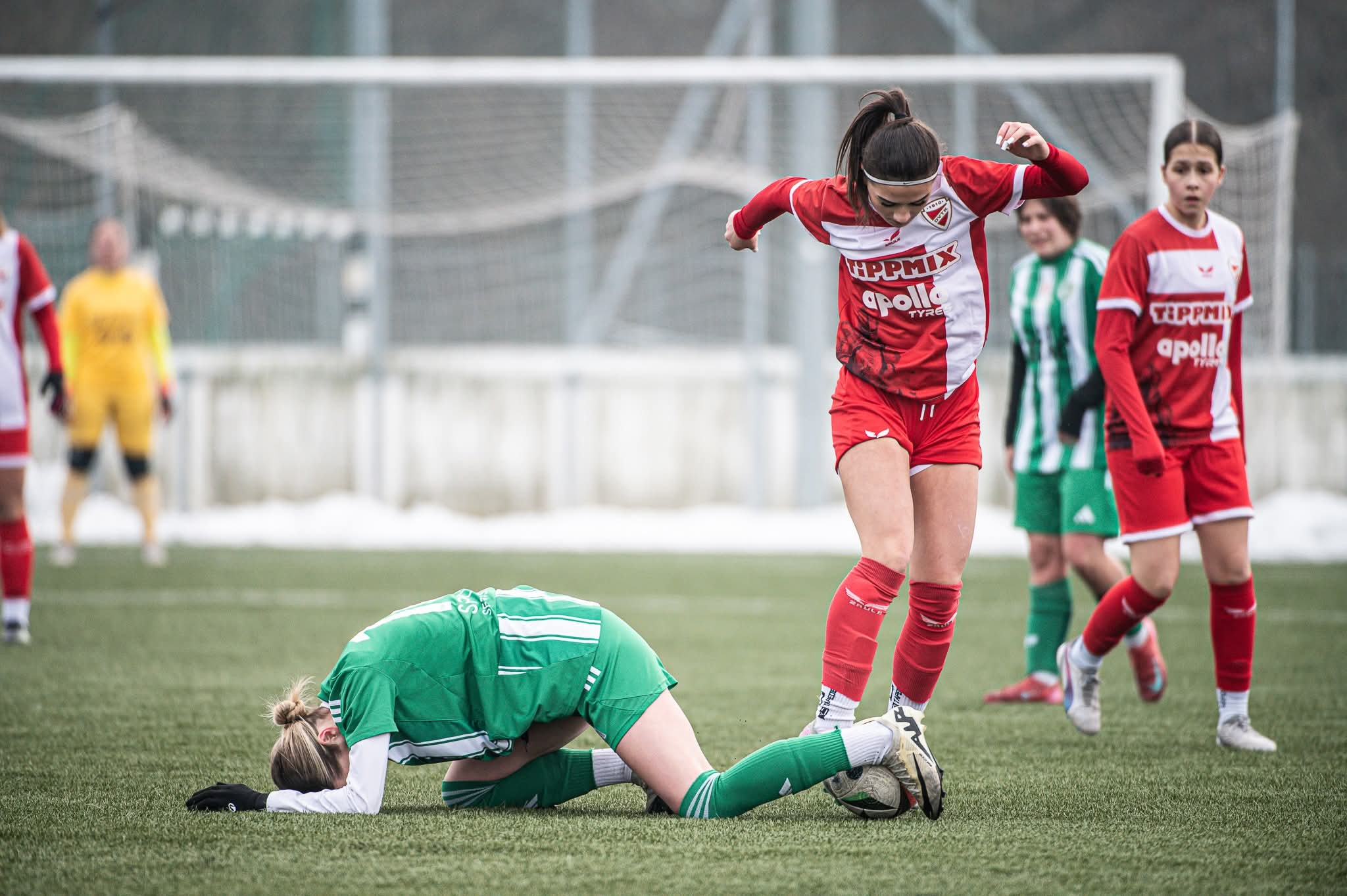
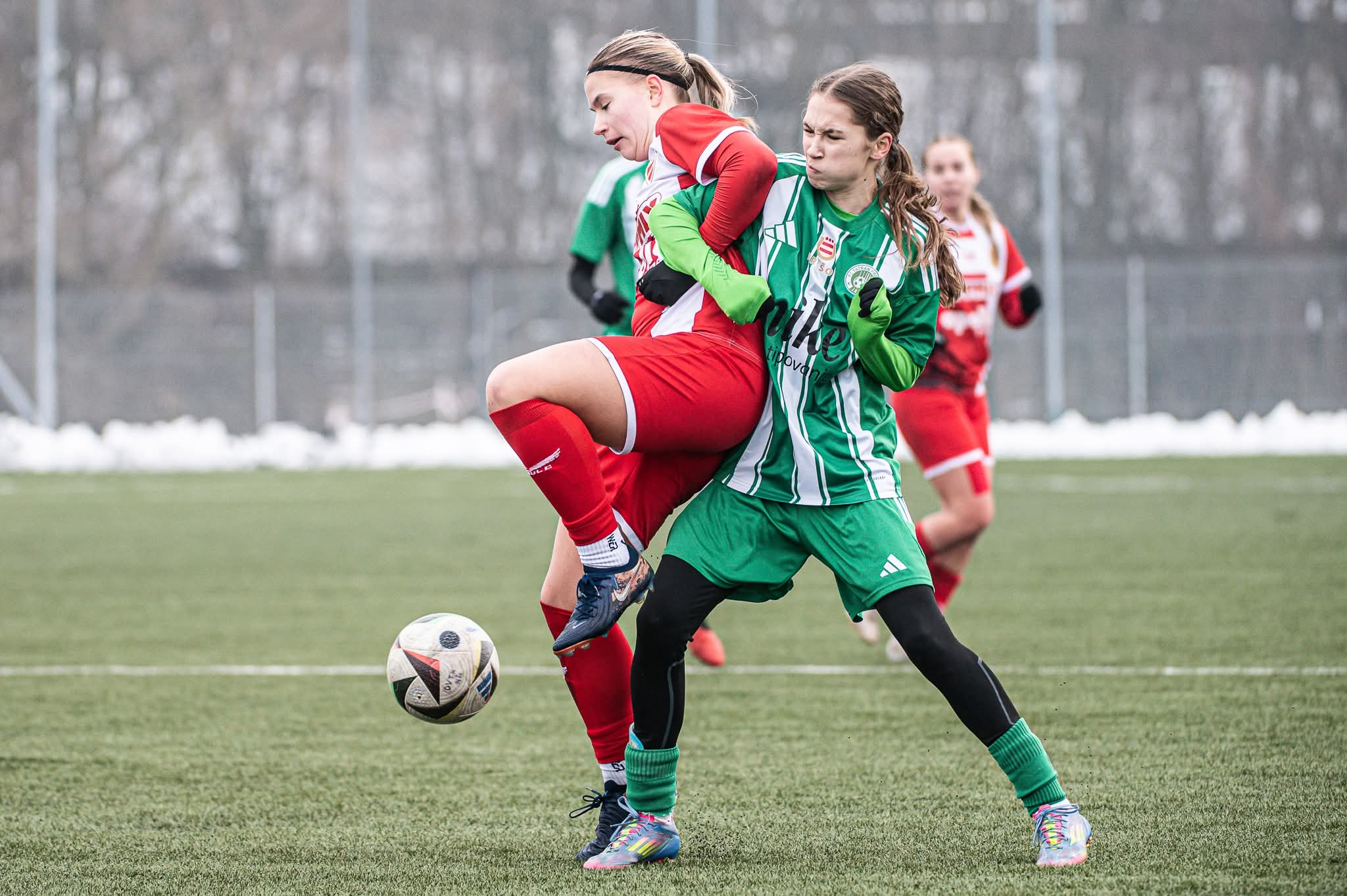
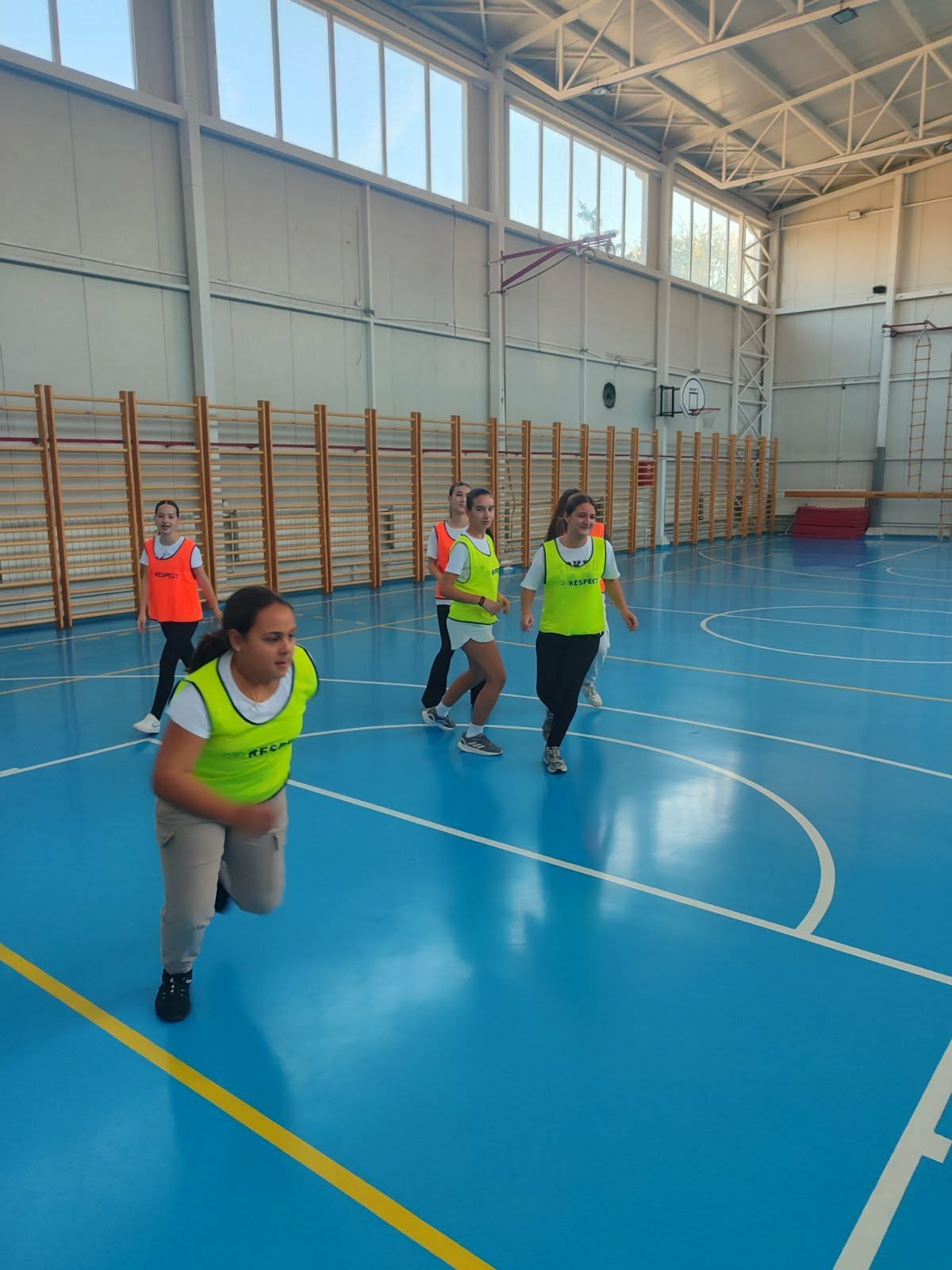
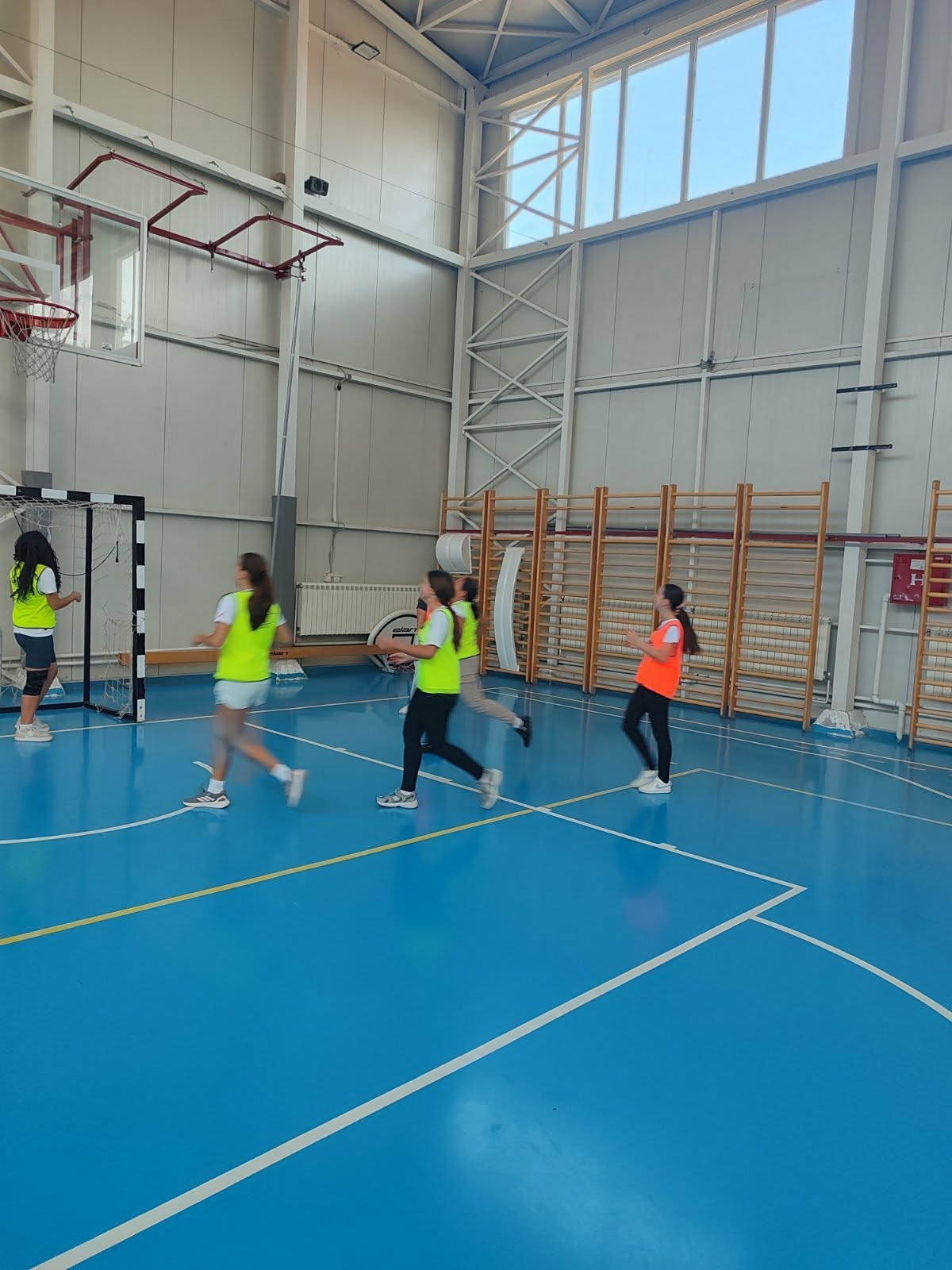
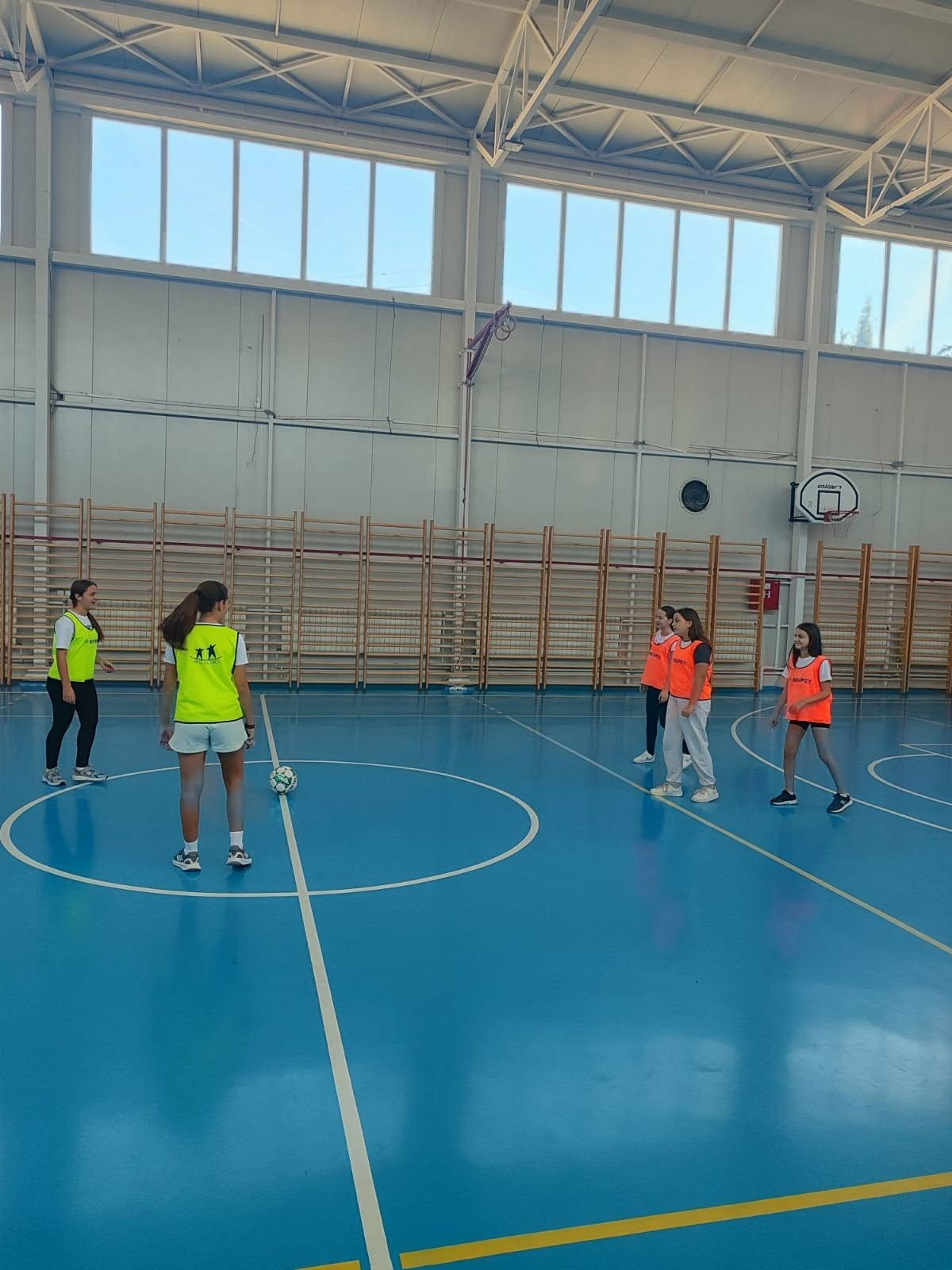
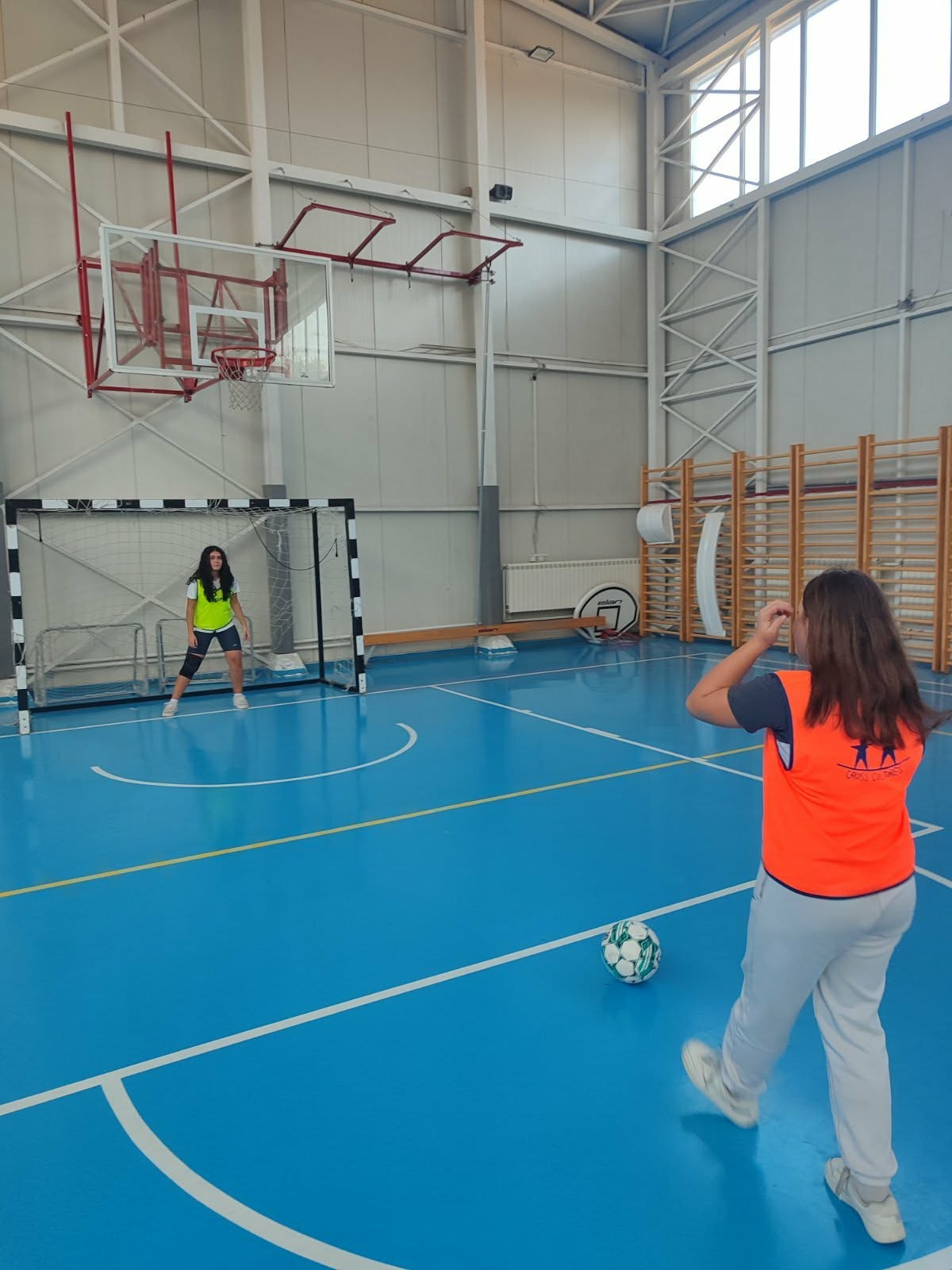
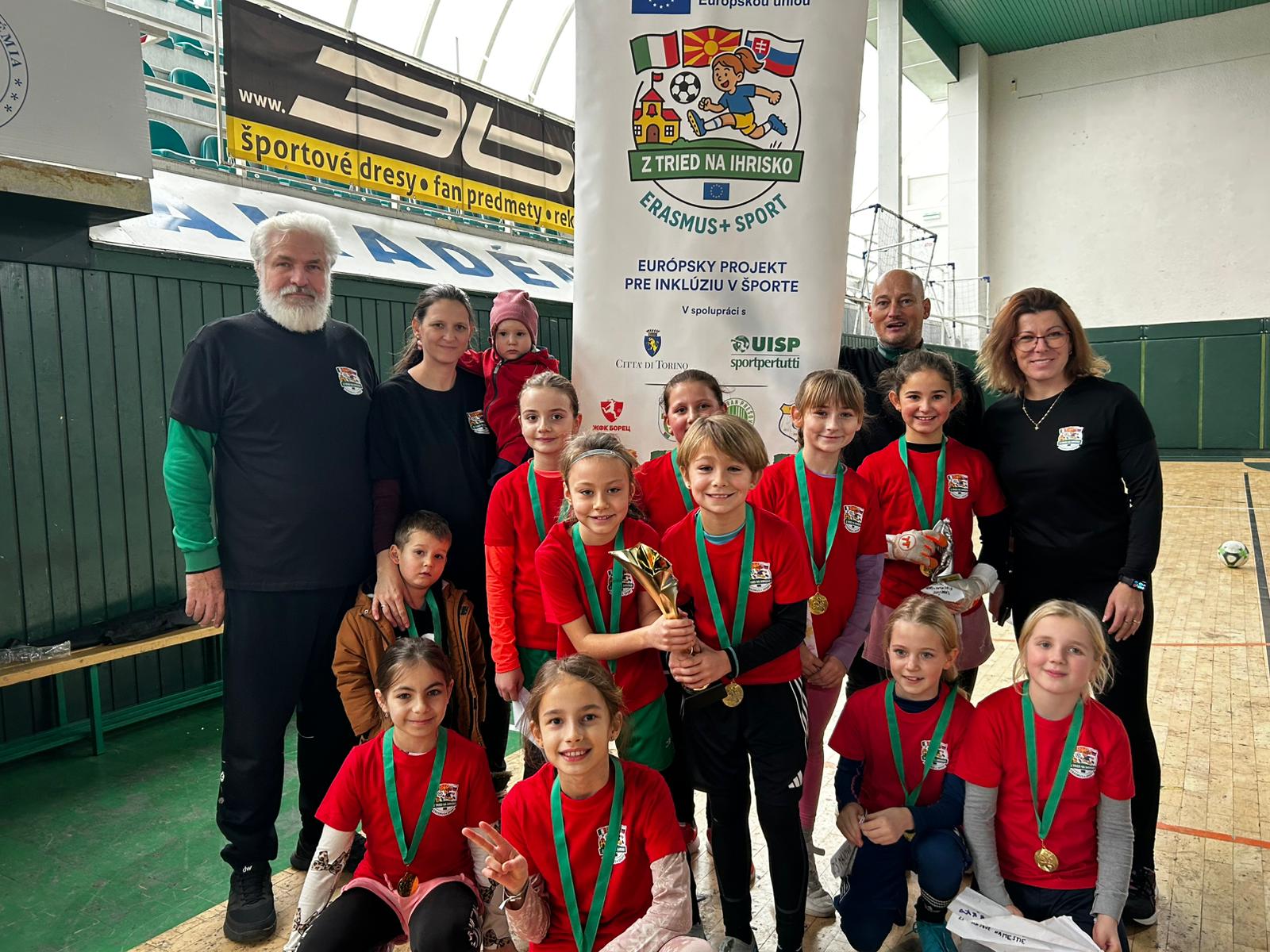
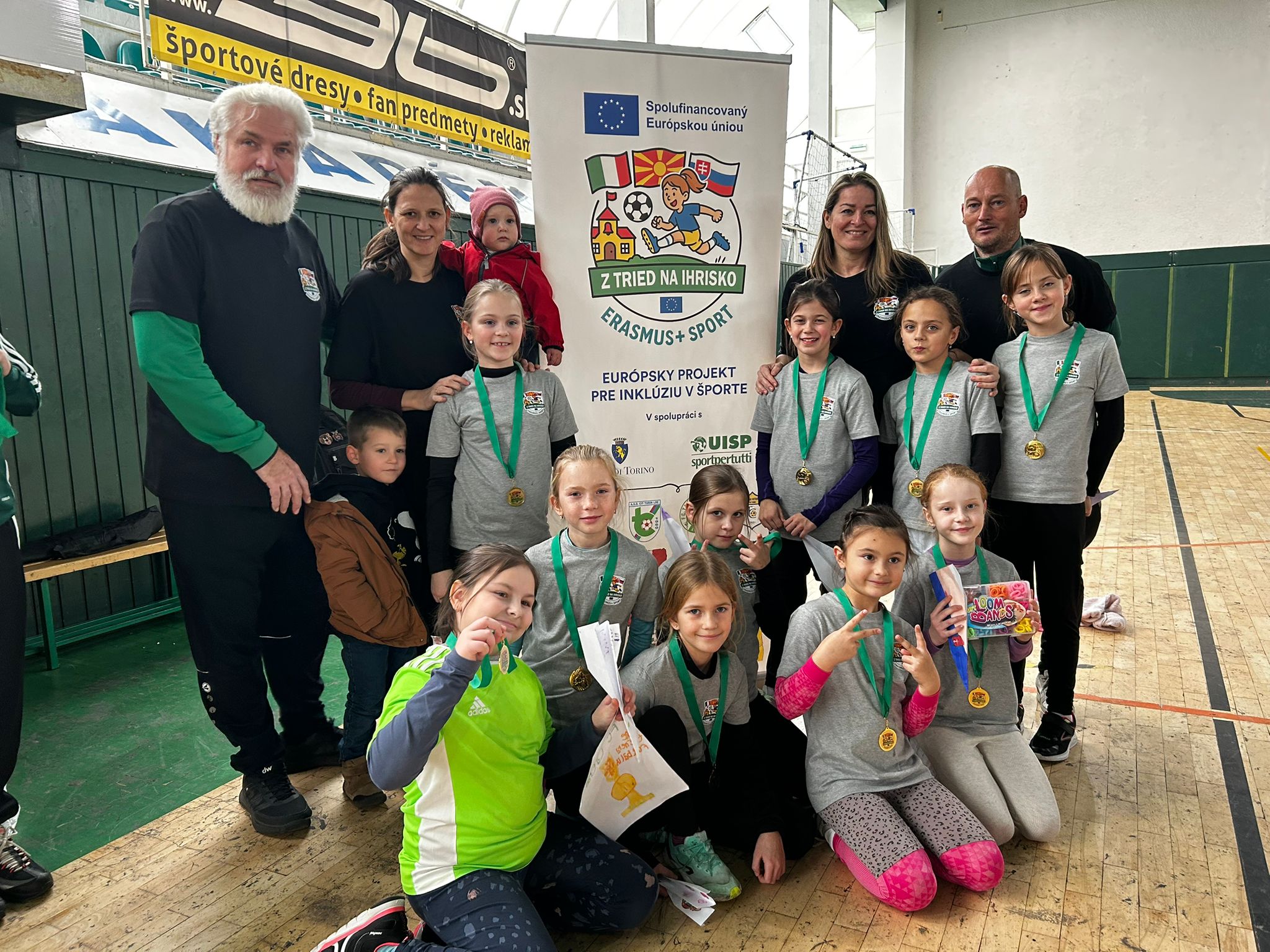
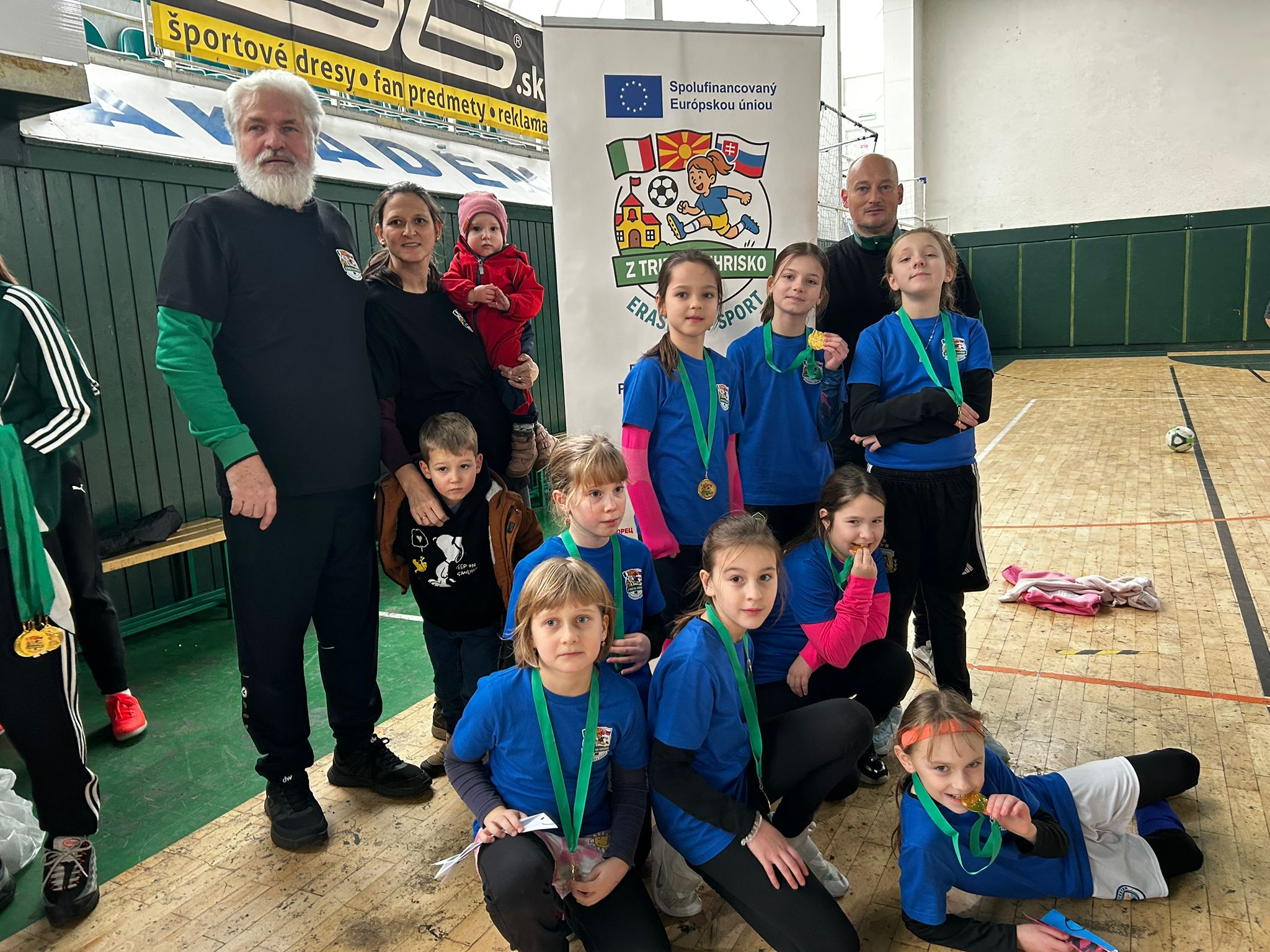
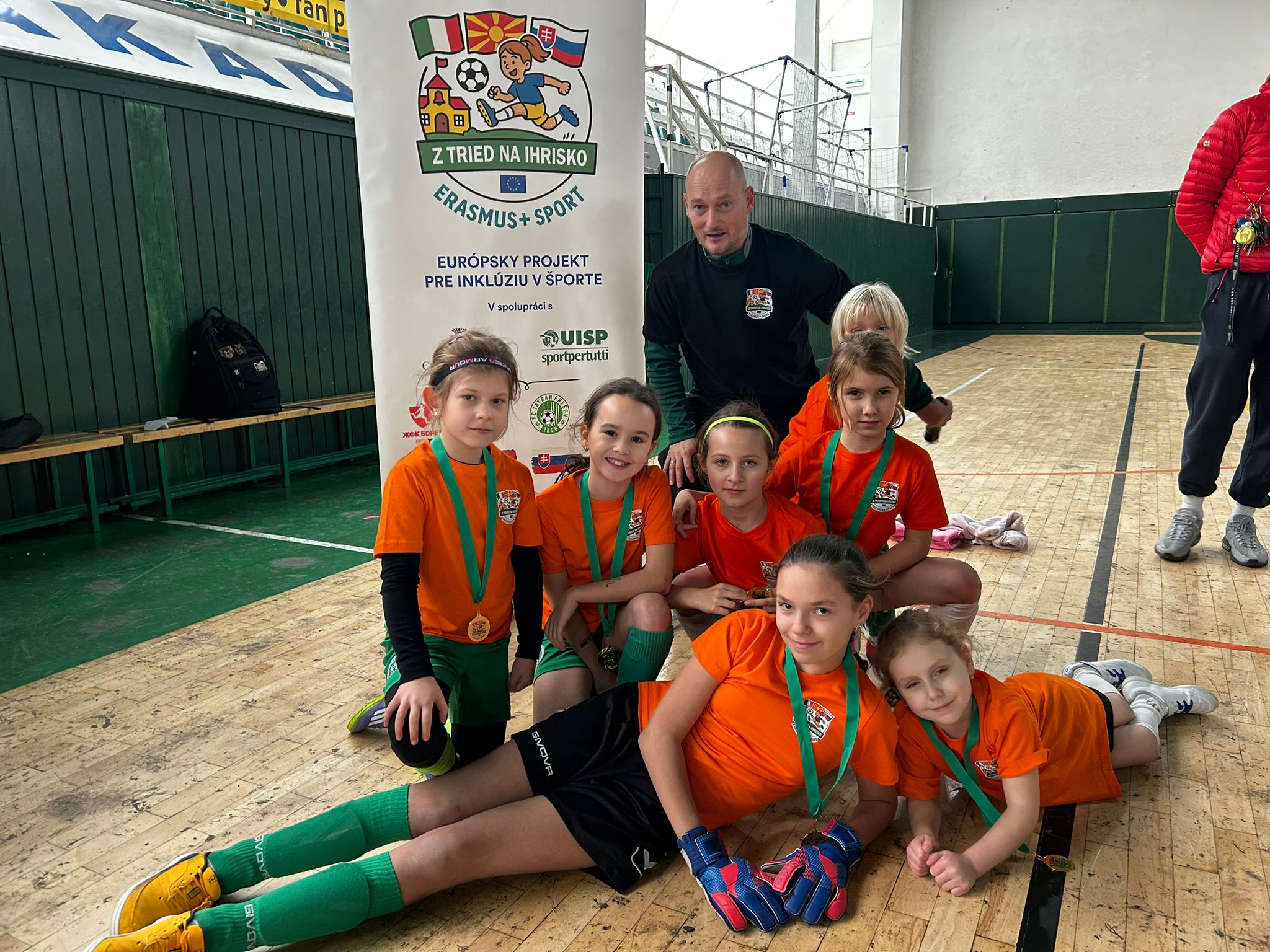
Developing soft skills through sport: Cit Turin girls meet with sports psychologist
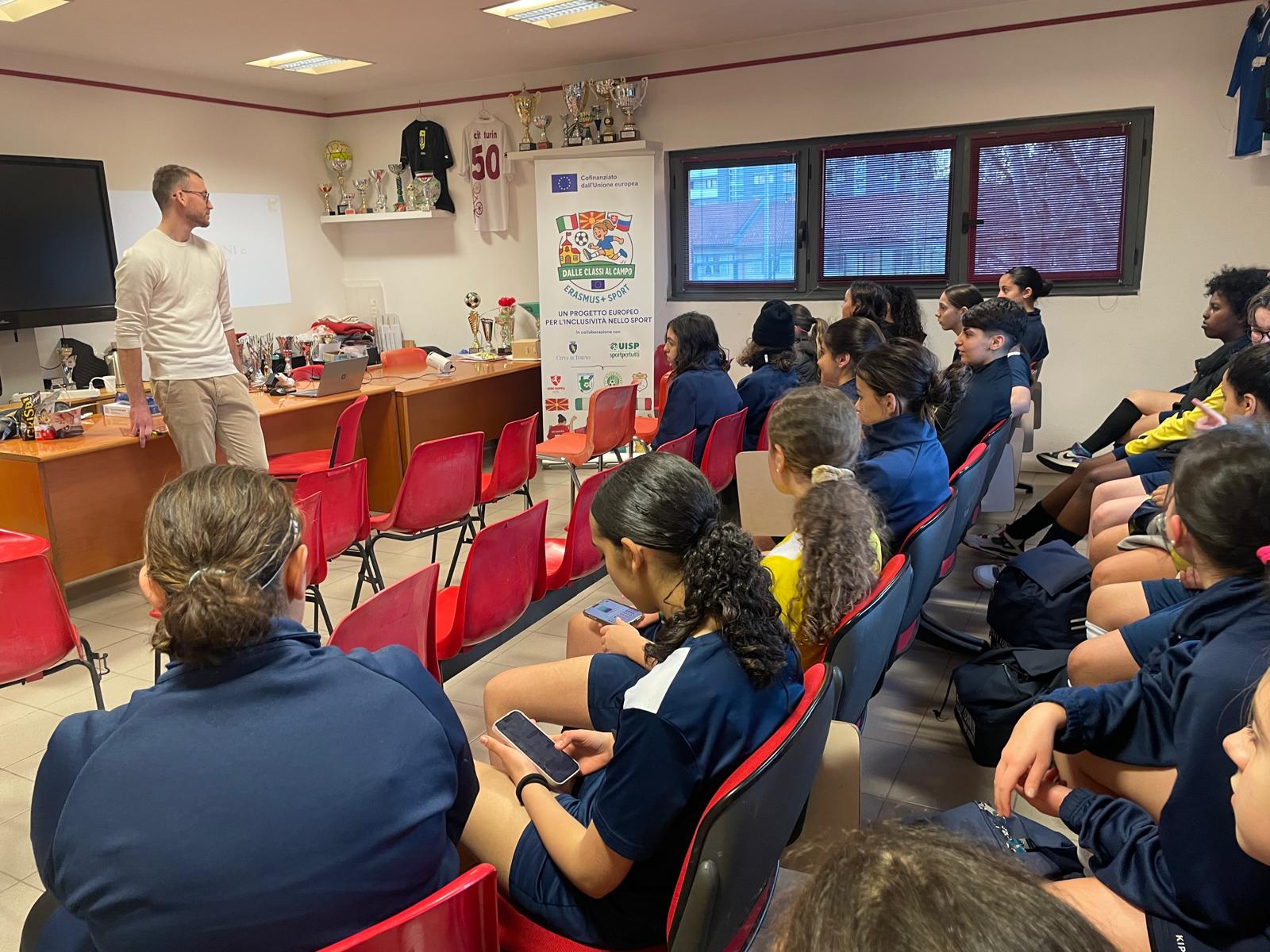
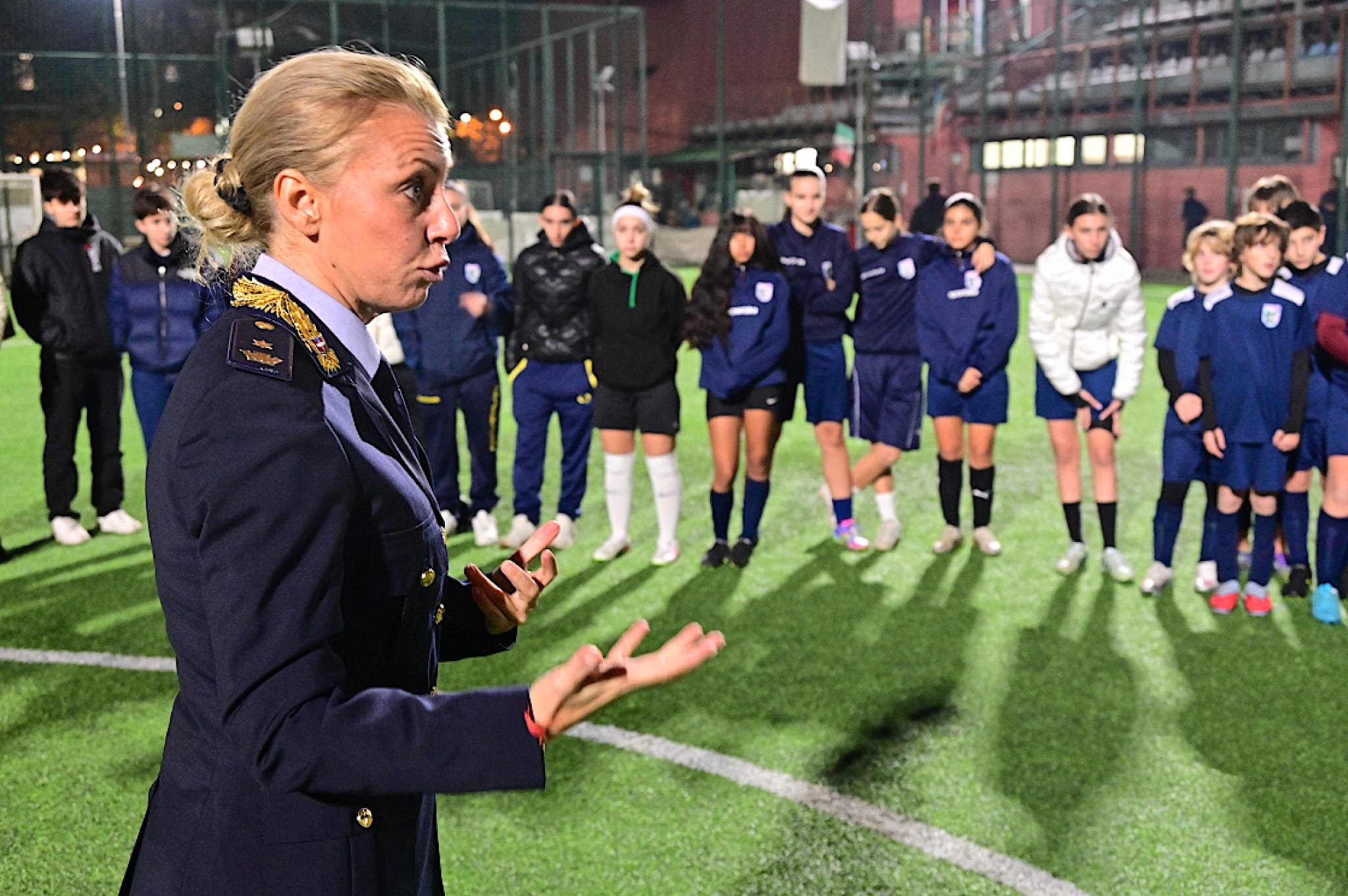
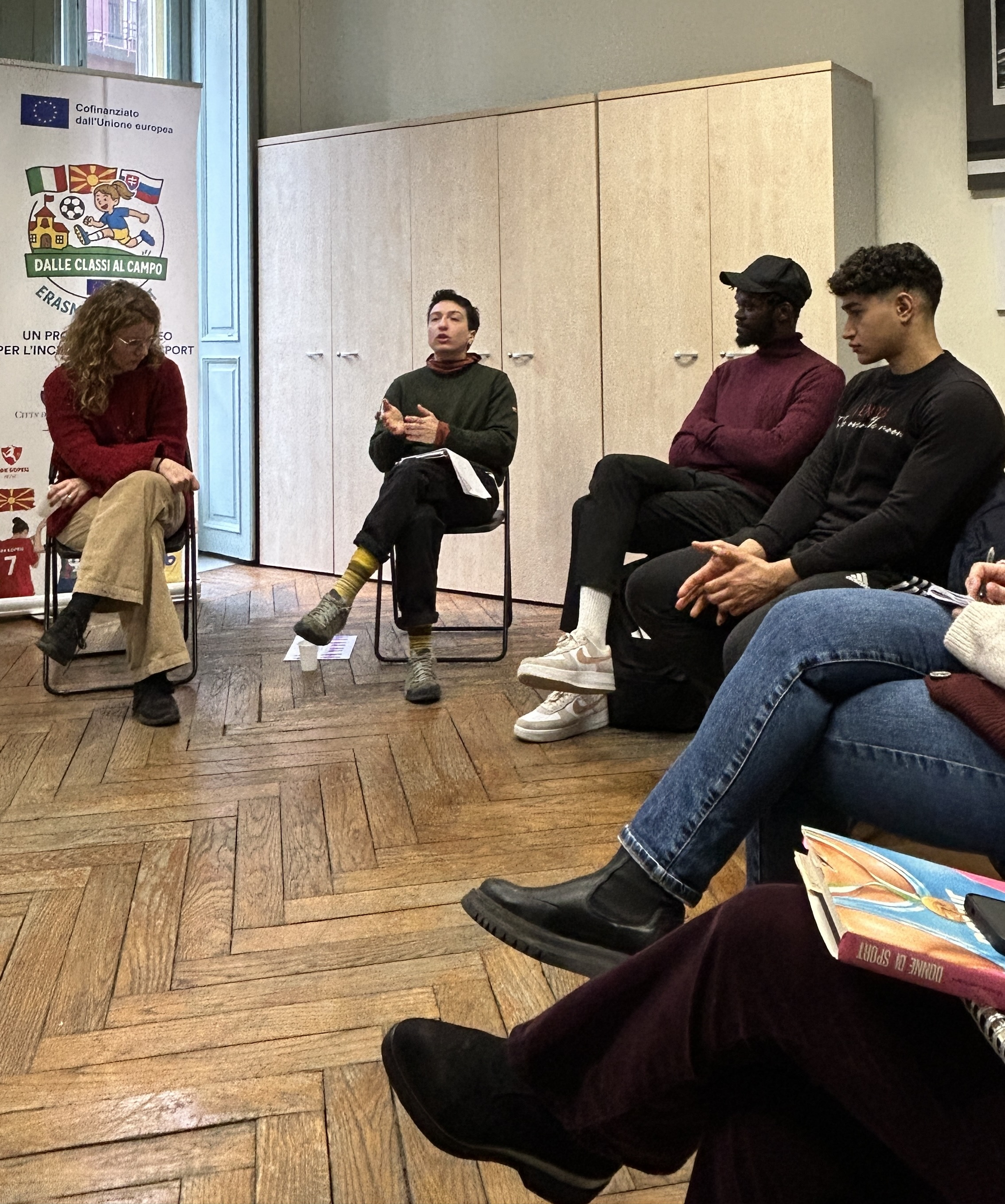
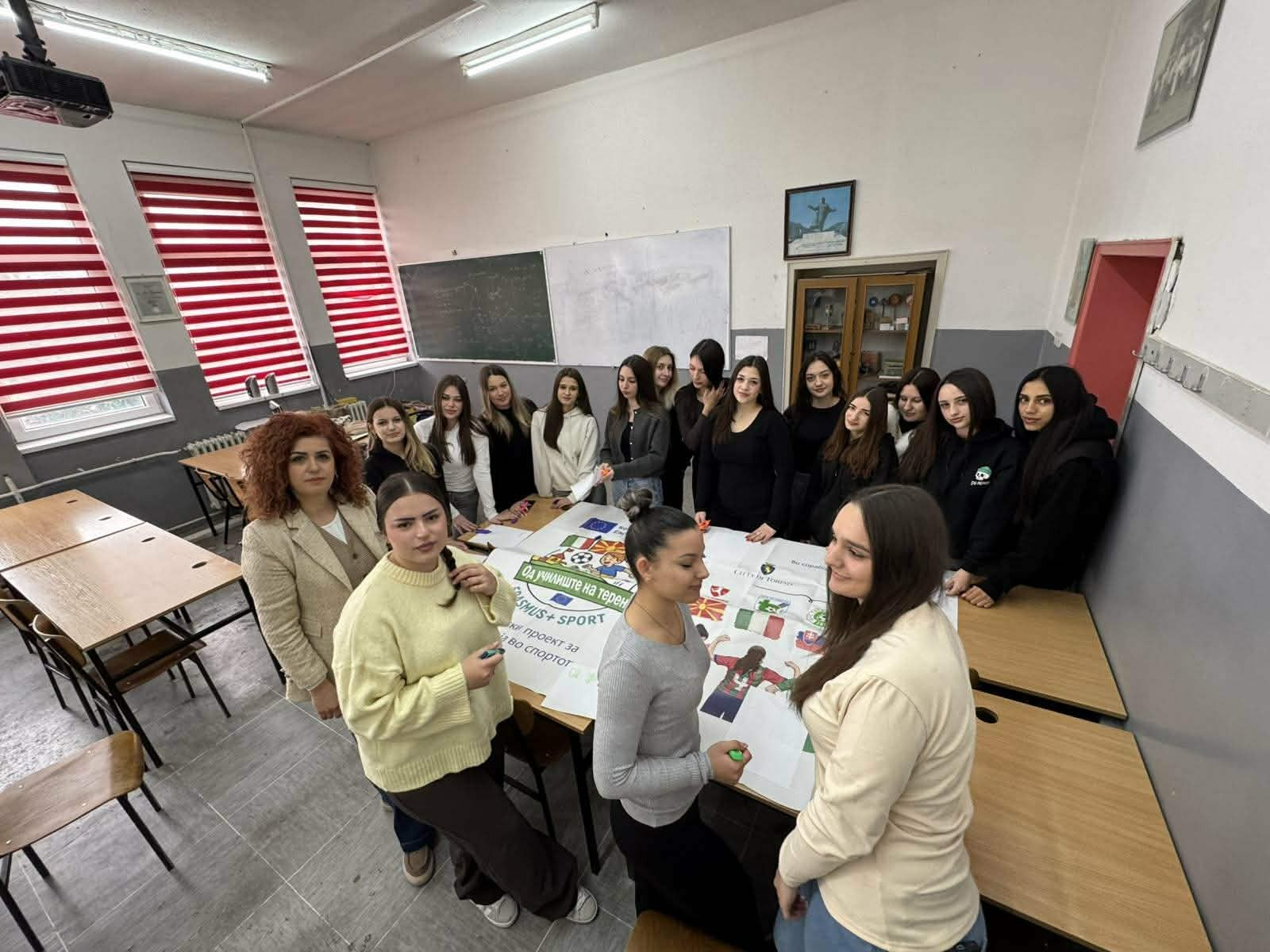
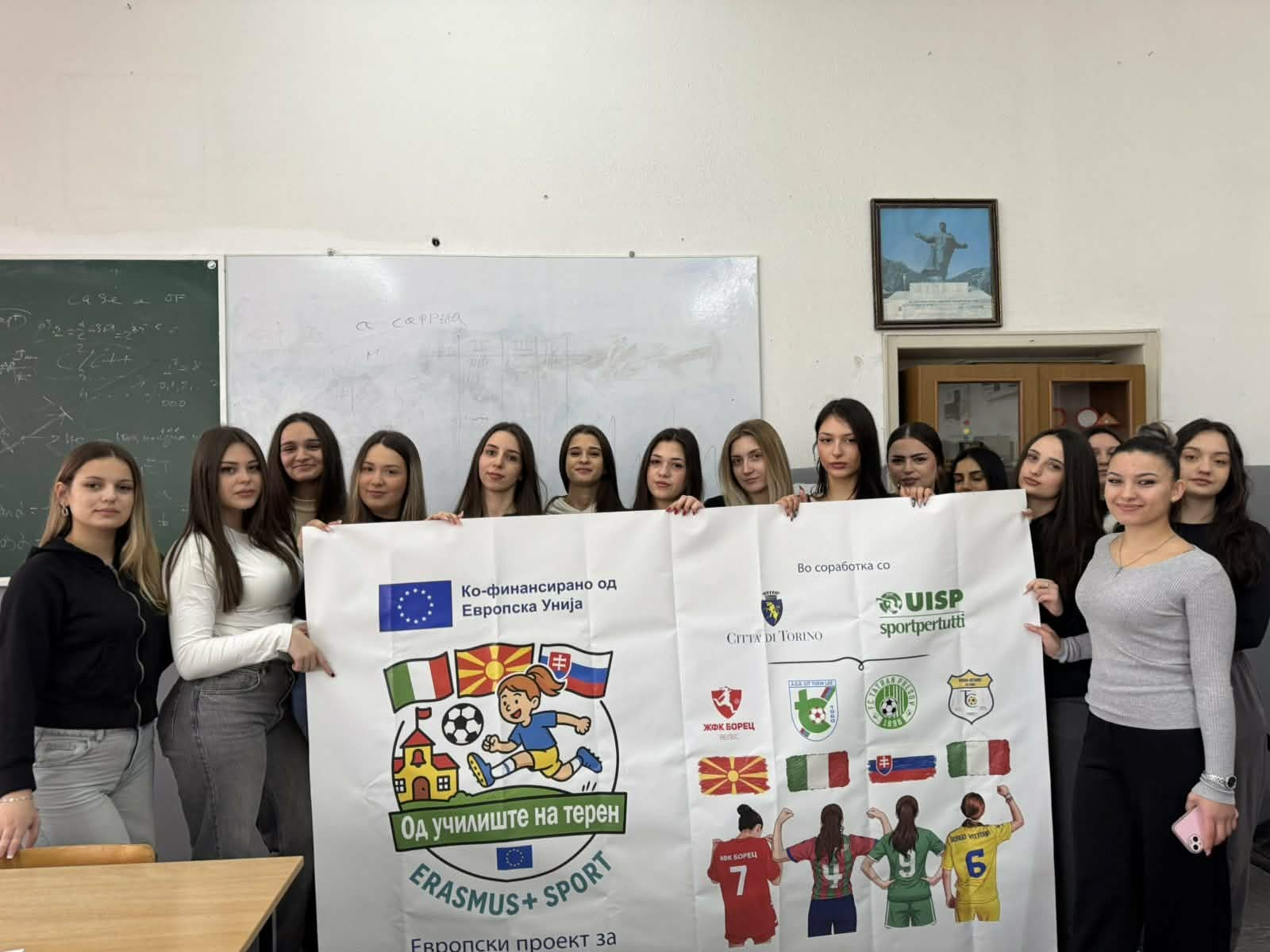
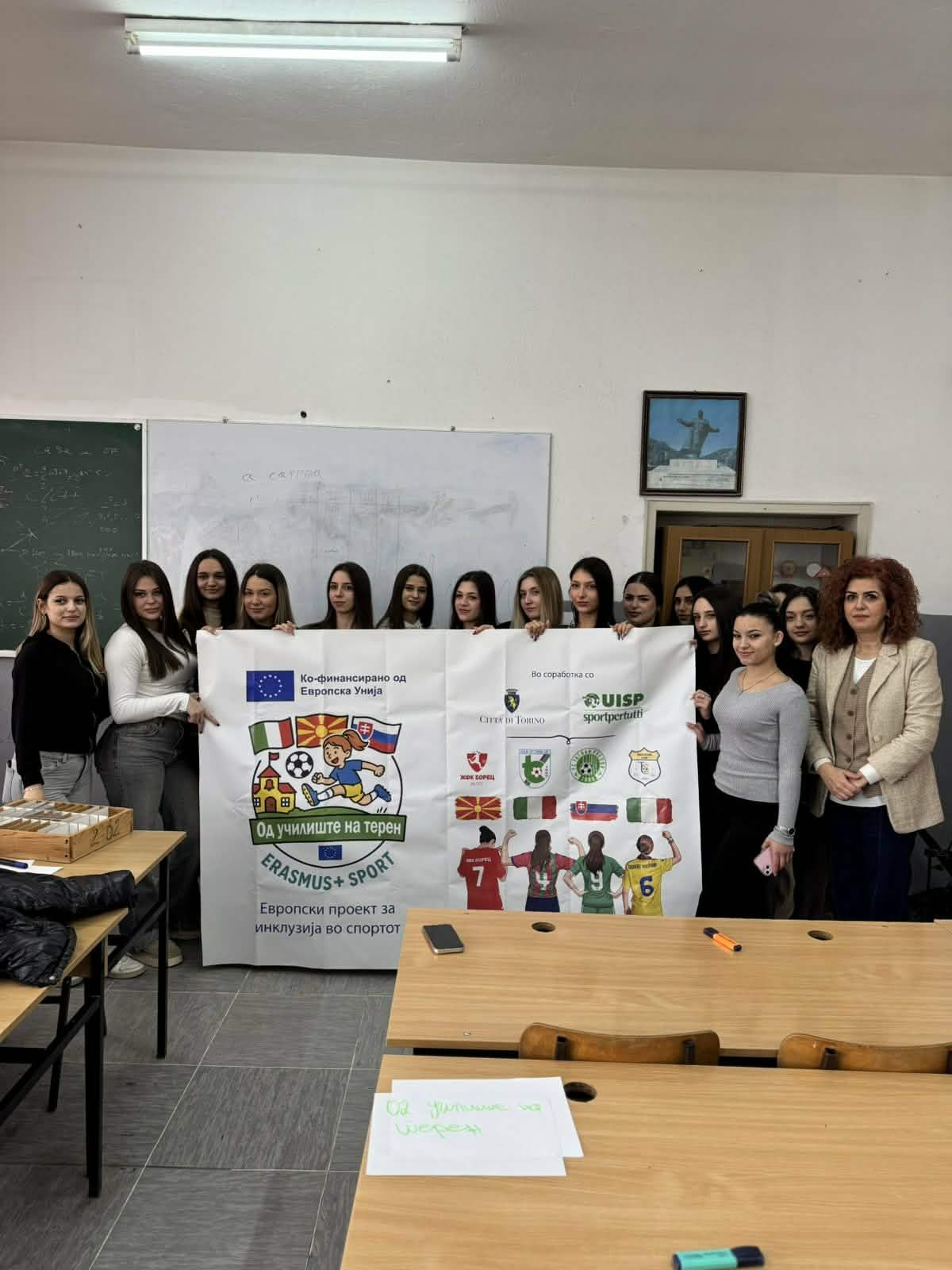
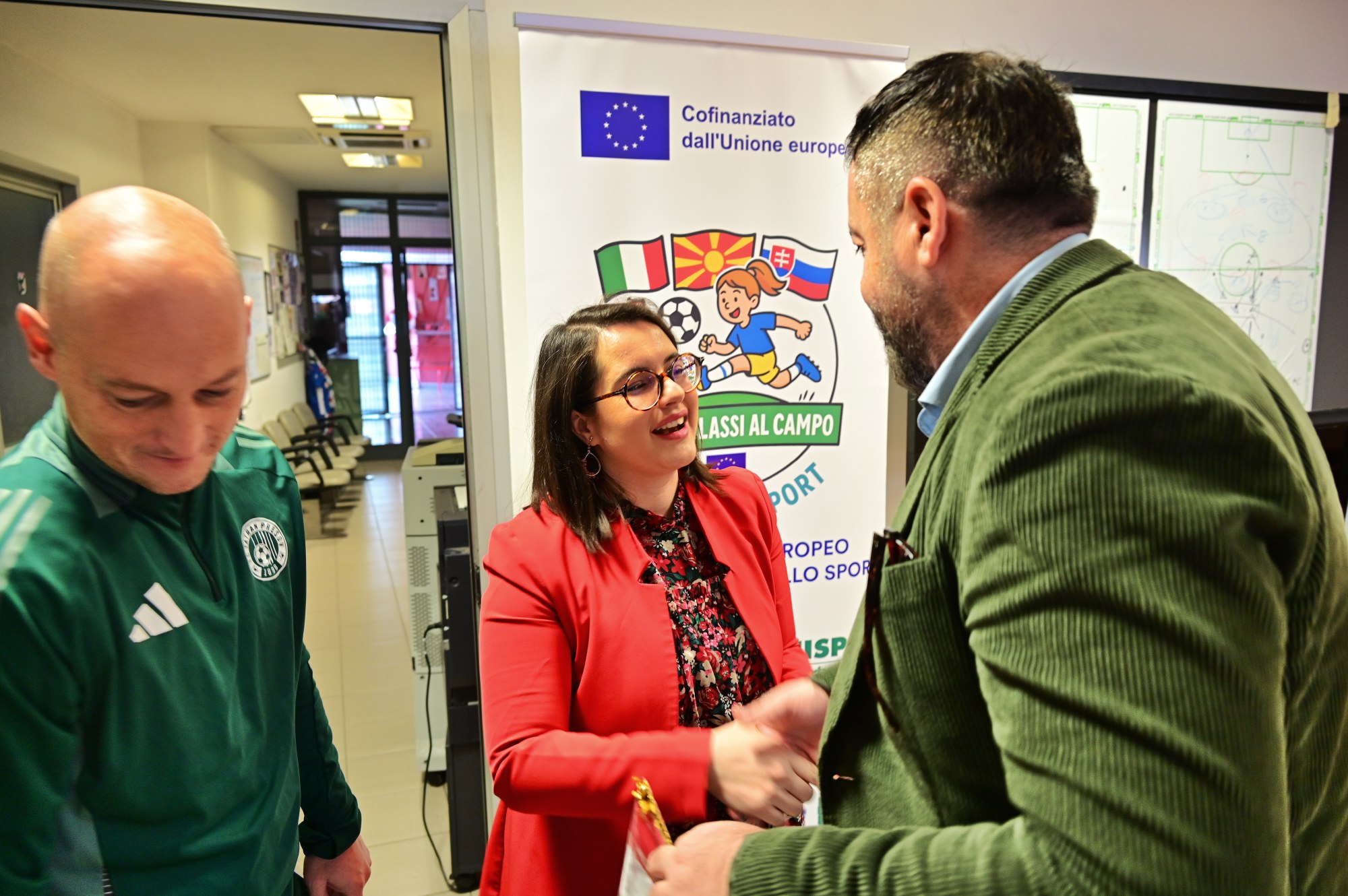
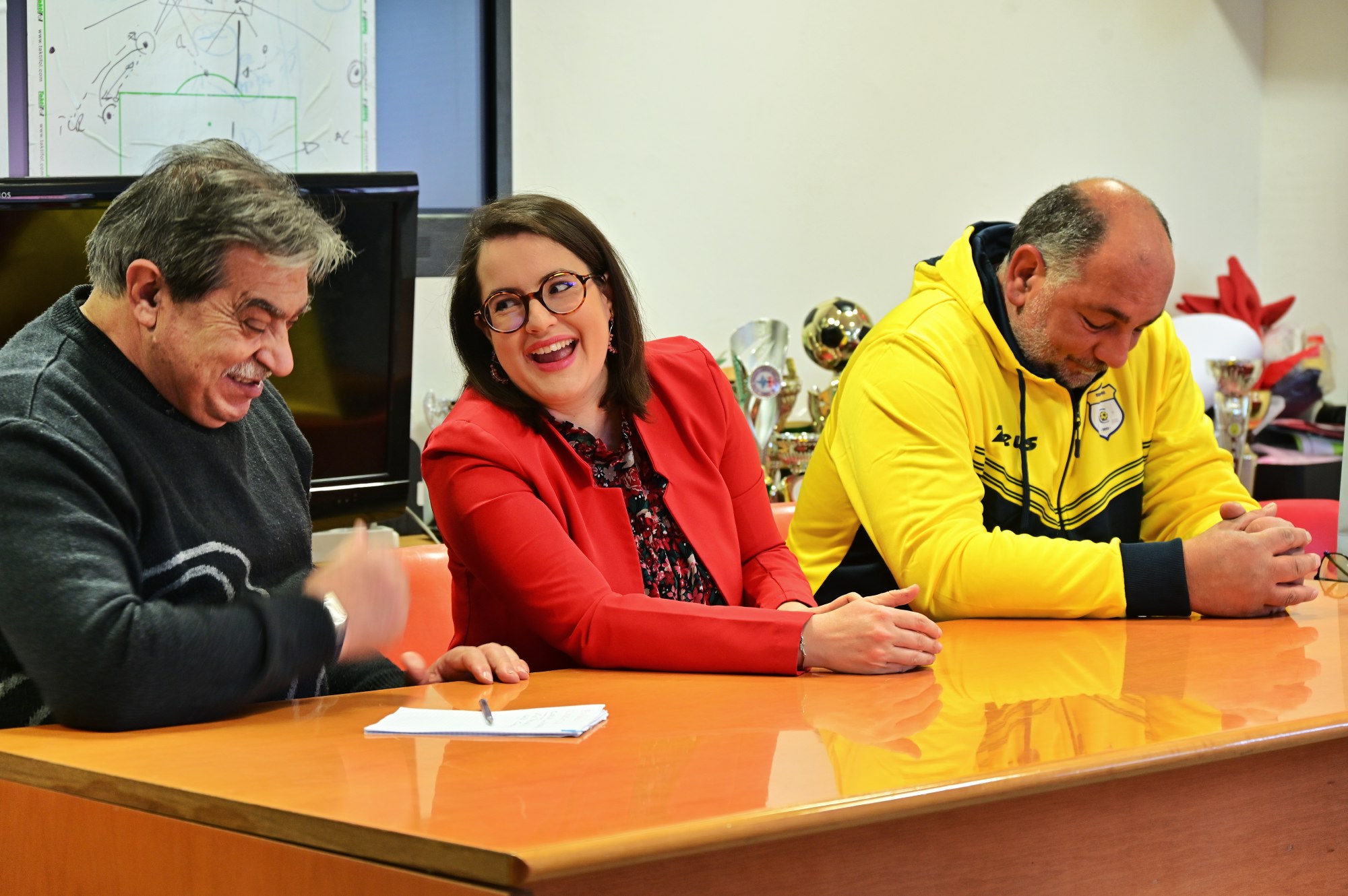
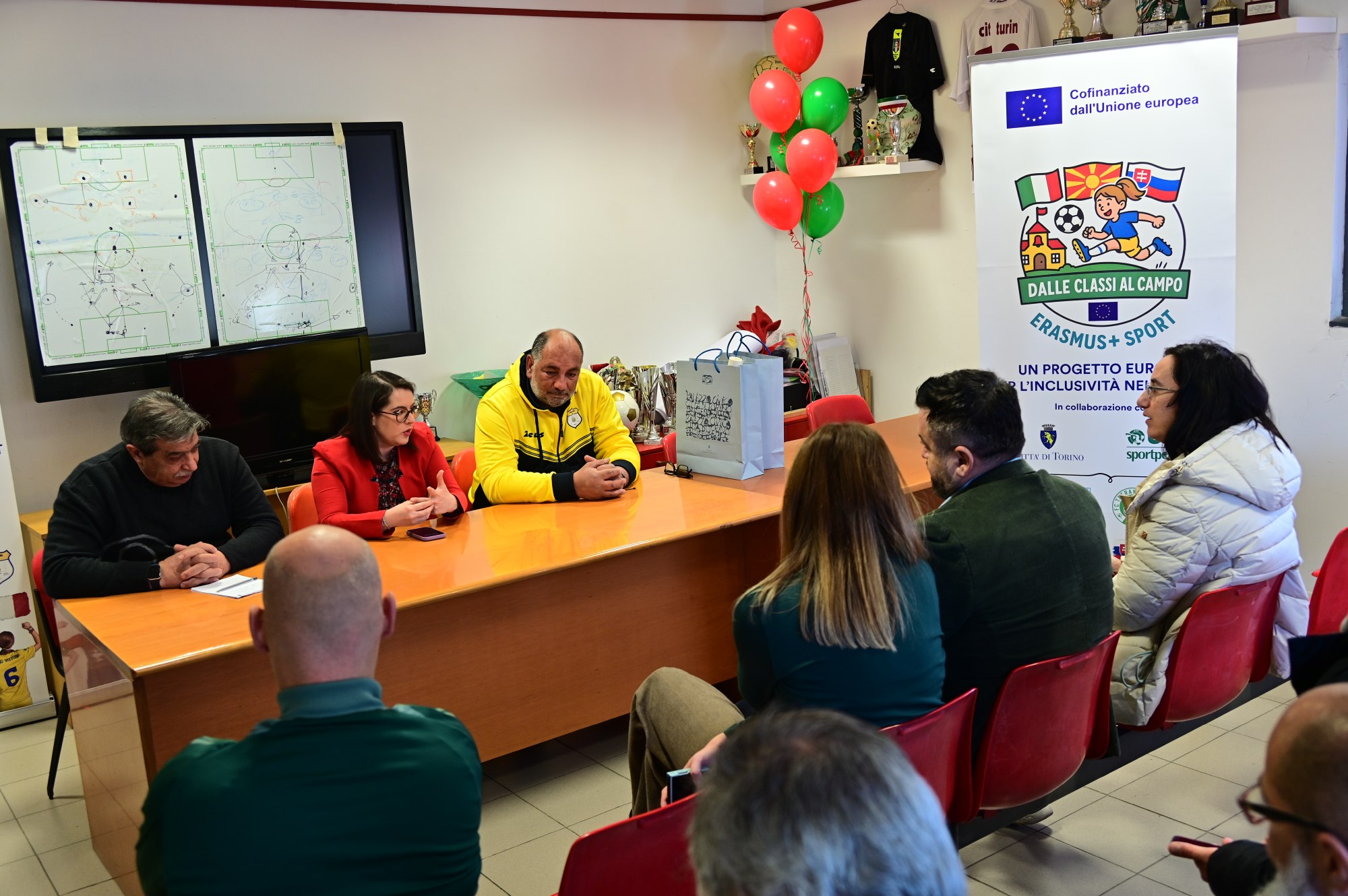
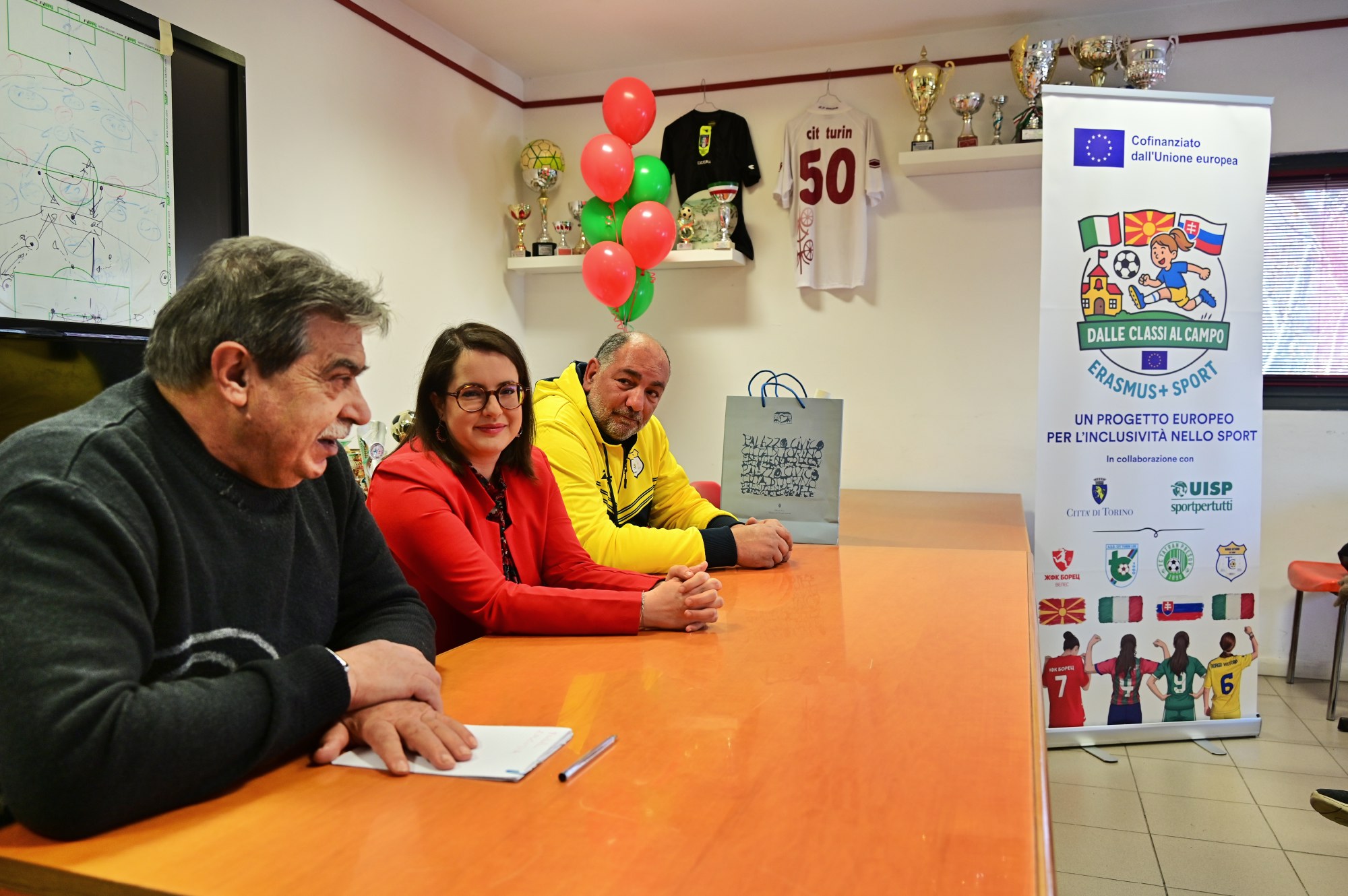
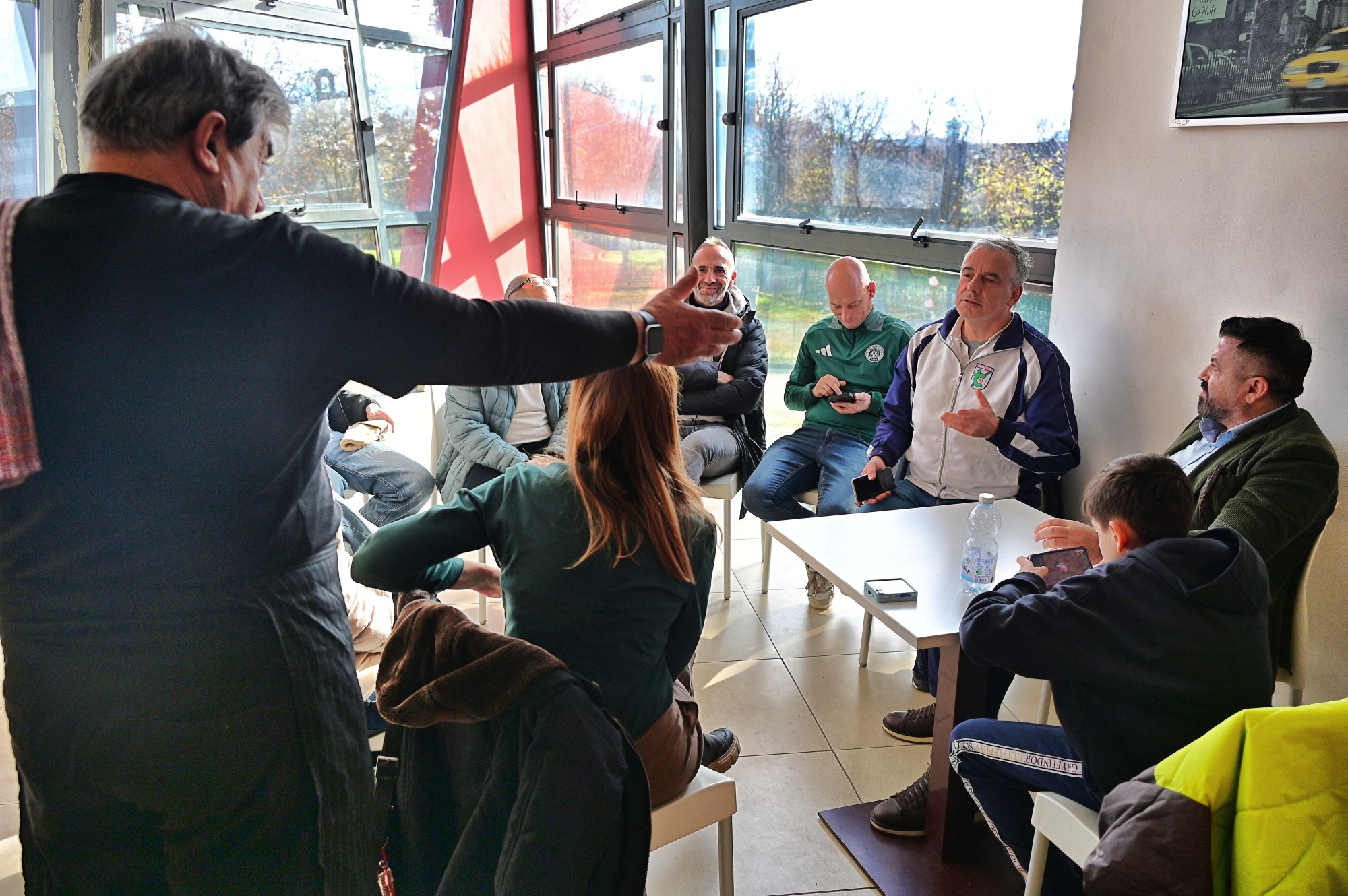
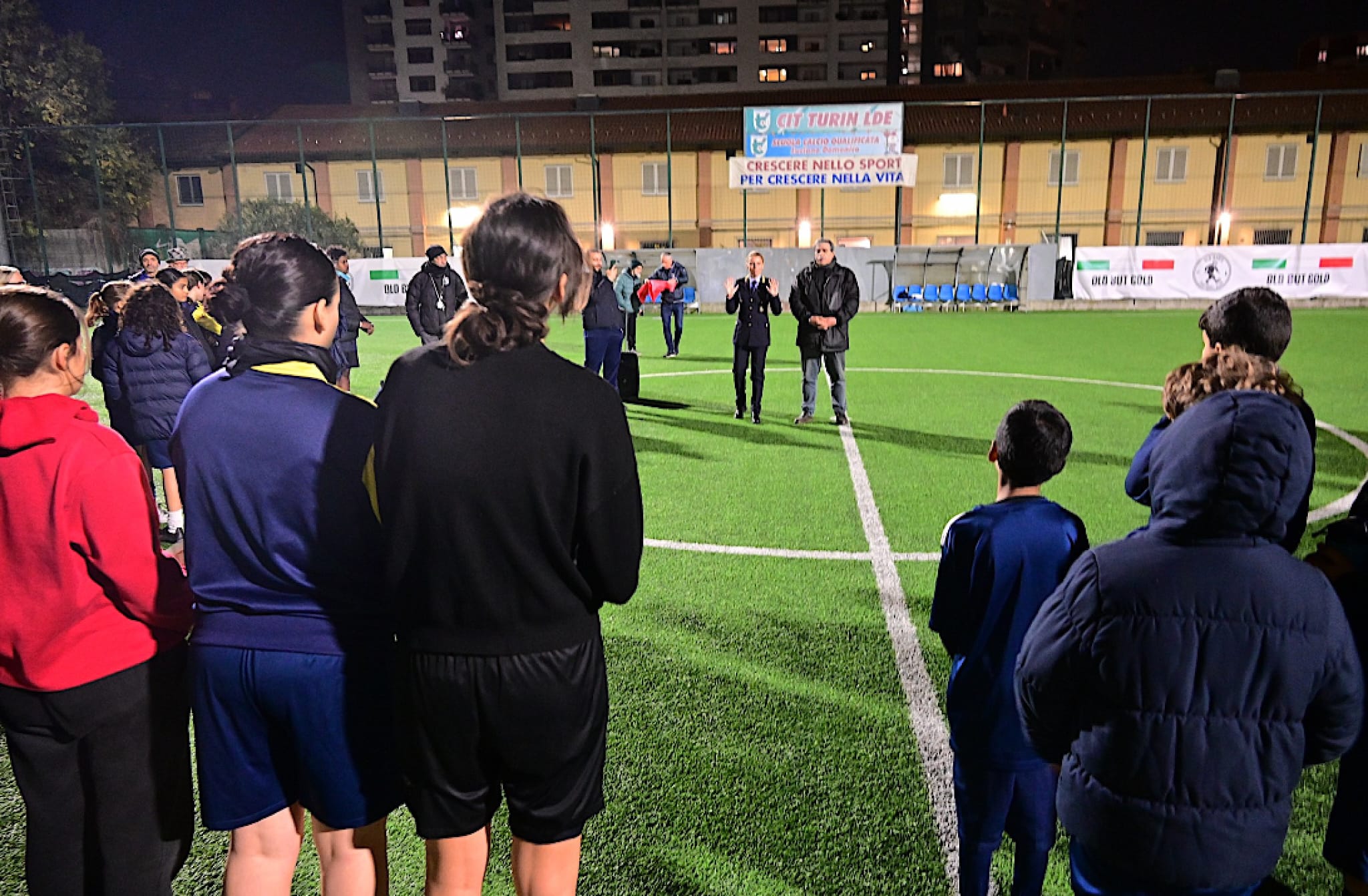
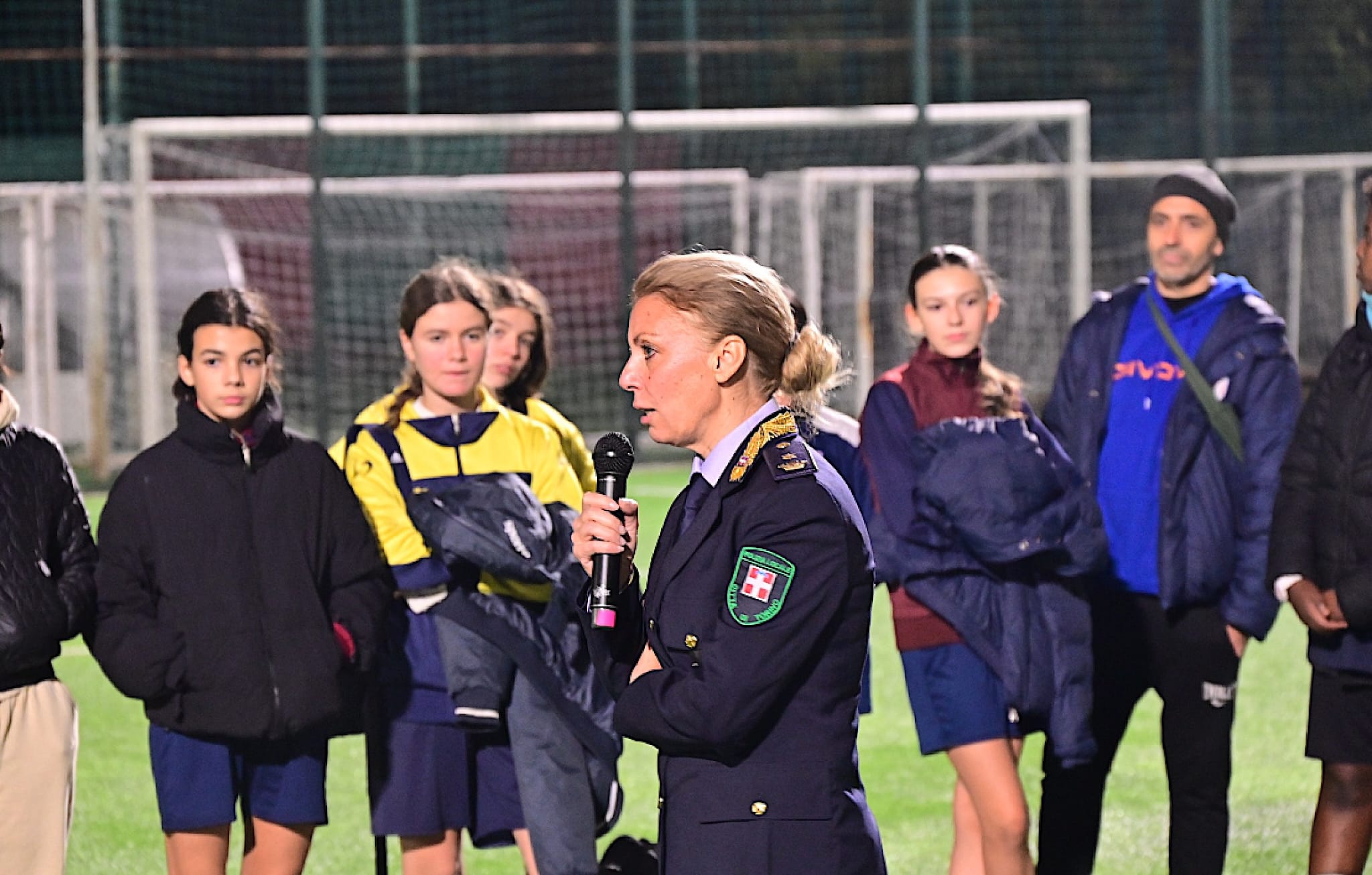
On 7 April, the girls of Cit Turin LDE took part in a dedicated session with a sports psychologist, organised within the..
Read More
The European project “From Classrooms to the Pitch” was created to promote inclusion, gender equality and women’s empowerment through football,
placing the school at the heart of social change.
In line with the priorities of the Erasmus+ Sport Programme,
the initiative aims to reduce the inequalities that still exist in youth sport
and to ensure that girls have equal opportunities for access, participation and personal development.
School is in fact the first environment in which skills, attitudes and worldviews are shaped:
educating for equality from an early age means
building an inclusive sporting culture,
free from stereotypes and cultural barriers that too often limit girls’ participation in sport.
The project – implemented by ASD Cit Turin LDE,
Borgo Vittoria Cit Turin,
FC Tatran Prešov (Slovakia) and
ZFK Borec Veles (North Macedonia) – aims to involve
girls, families, teachers and sports clubs
in a shared pathway that combines education, physical activity and awareness of women’s football
as a tool for personal and social growth.
Through school-based sessions, training workshops, sports days and moments of collaboration
between schools and clubs, the project aims to:
Educating for gender equality through sport means
helping new generations grow more aware, confident and free.
Women’s football thus becomes a concrete opportunity to develop positive relationships,
socio-emotional skills and a strong sense of belonging.
Together – families, schools and sports clubs – we can build a fairer,
more inclusive future, rich in opportunities for all girls.
The project “From Classrooms to the Pitch” is based on an
integrated educational and sports methodology,
designed to connect school learning with practical sport experiences.
The approach combines education,
active participation and
community engagement, with the aim of promoting
gender equality and inclusion through women’s football.
Activities are structured in a progressive pathway that accompanies students,
teachers and families from awareness to direct involvement.
This methodology ensures that the project is not limited to isolated activities,
but becomes a structured and replicable model
that can be adapted to different educational and cultural contexts.
By linking classroom learning with real-life sport experiences,
the project creates meaningful and lasting impact on students’
attitudes, confidence and participation.
Turin leads the European project that brings inclusion and
gender equality into schools through women’s football.
Italy – Slovakia – North Macedonia united in a single Erasmus+ Sport initiative.
Turin confirms its role as a leading city in European educational and sports policies:
the European Commission has approved, under the Erasmus+ Sport 2025 Programme, the project
“From Classrooms to the Pitch | Women’s Football: Educate, Engage, Empower and Inspire”,
dedicated to promoting gender equality and inclusion in sport, with a specific focus on women’s football.
Understanding the meaning and value of the project is essential in order to grasp its educational
and social impact, especially in school environments where first attitudes toward gender equality
and sport participation are formed.
Education for gender equality also passes through sport:
learning about women’s football, its history and its opportunities allows girls and families
to make freer, more informed and more inclusive choices.
Every piece of information shared, every dialogue and every new experience can contribute
to building a future in which girls and boys have the same opportunities to grow, play
and fulfil their potential.
ASD Cit Turin LDE is an amateur sports association based in
Turin, at Corso Francesco Ferrucci 63/A,
in the heart of Circoscrizione 3.
For many years a point of reference for youth and women's football in the Turin area,
Cit Turin LDE stands out for its commitment to
promoting sport as an educational and social inclusion tool.
The club operates across multiple sectors — from its Football School to the women's section,
from youth football to activities dedicated to inclusion — with a clear vision:
sport is a right for everyone, regardless of gender or ability.
As the Italian lead partner of the Erasmus+ project
"From Classrooms to the Pitch", ASD Cit Turin LDE coordinates activities
at national level in synergy with Borgo Vittoria Cit Turin,
bringing an innovative educational programme into Turin's schools that combines
women's football, gender equality and active citizenship.
Participation in the "From Classrooms to the Pitch" project represents for Cit Turin LDE
the natural evolution of a path already begun: bringing the values of sport — respect,
effort, solidarity — into school classrooms, to build a fairer and more inclusive culture.
To find out more about the club, visit the facility or enrol your daughter in the women's section,
you can contact the secretariat:
| Address: Corso Francesco Ferrucci 63/A, Turin — Circoscrizione 3 | |
| Phone: 011 5690332 | 338 2515309 | |
| Email: segreteria@citturinlde.it | |
| Secretariat hours: Monday – Friday, 4:00 PM – 7:00 PM | |
| How to reach us: GTT bus lines 9 – 16 – 55 – 56 – 68 | |
| Official website: www.citturinlde.it |
FC Tatran Prešov is one of Slovakia's most historic football clubs,
based in Prešov, in the east of the country.
Known for its green-and-white colours and a strong tradition in both men's and women's football,
Tatran is a club with deep roots in the local community and an increasingly prominent presence
at European level.
The club's women's section — the "Tatranky" — has established itself
as one of the leading women's football teams in Slovakia, competing at the highest national level
and making its mark on the European stage.
As a partner in the Erasmus+ project "From Classrooms to the Pitch",
FC Tatran Prešov brings its experience in women's football into schools,
helping girls in Slovakia discover the sport in an inclusive and empowering environment.
The Tatranky are proof that women's football in Slovakia is growing fast —
in quality, in visibility and in ambition. Their participation in this Erasmus+ project
reflects a club that believes sport can be a powerful tool for social change,
starting from the classroom.
To find out more about FC Tatran Prešov and its women's section,
visit the club's official channels:
| Address: Björnsonova 8, 080 01 Prešov, Slovakia | |
| Email: fctatran@fctatran.sk | |
| Official website: www.fctatran.sk | |
| Facebook: facebook.com/fctatran | |
| Instagram: @fctatranpresov |
ZFK Borec Veles is the women's football section of FK Borec,
one of the oldest and most historic sports clubs in North Macedonia,
founded in Veles — a city with a long and proud football tradition.
The parent club, FK Borec, has been a cornerstone of the local sporting community
since the early 20th century, and its women's section carries forward that same
spirit of belonging, passion and community engagement.
ZFK Borec Veles competes in the Macedonian Women's Football Championship, the top tier of women's football in North Macedonia.
As a partner in the Erasmus+ project "From Classrooms to the Pitch",
ZFK Borec Veles brings to the table its direct knowledge of the challenges and opportunities
that women's football faces in North Macedonia, contributing to a shared European effort
to promote inclusion, gender equality and girls' empowerment through sport.
The involvement of ZFK Borec Veles in "From Classrooms to the Pitch" is a statement
of intent: that women's football in North Macedonia belongs in schools, in communities
and on the European stage.
Their participation enriches the project with a perspective that is essential —
that of a club working to build a future for women's football
from the ground up, one girl at a time.
| City: Veles, North Macedonia | |
| Competition: Macedonian Women's First League (top division) |
School is the first place where girls and boys experience in a concrete way what
gender equality, respect and inclusion truly mean.
It is here that views of the world are shaped, habits are formed and stereotypes are questioned.
Teachers play a central role: through their teaching choices, the language they use and the
opportunities they offer, they can show that sport – and women’s football in particular – is a space
open to everyone, where talent has no gender.
Activities such as “From Classrooms to the Pitch” make it possible to bring concrete experiences of
equality into classrooms and gyms, offering girls the opportunity to approach football while at the same time
involving the entire class in educational pathways focused on respect, cooperation and active citizenship.
| More inclusive classroom climate: mixed and non-stereotyped activities reduce exclusion and foster a stronger sense of belonging among all students. | |
| The educational role of teachers: teachers become role models for equality, demonstrating through concrete examples that the same opportunities are open to girls and boys, both inside and outside the classroom. | |
| More respectful peer relationships: working on inclusion and equality through sport helps develop empathy, cooperation and respect for differences within the classroom group. | |
| Well-being and self-confidence of female students: offering girls opportunities to take an active role in football strengthens self-confidence, willingness to get involved and awareness of their own value. | |
| Participation for everyone: inclusive sports programmes also engage those who usually remain on the margins of physical activity, valuing different abilities and learning paces. | |
| Education for gender equality: women’s football becomes a concrete tool to overcome stereotypes, promote equal opportunities and connect the values of sport with civic education. | |
| School–family–community alliance: shared projects with sports clubs and families strengthen the educational network around children and young people, making gender equality a common goal. |
A girl’s journey into football does not depend only on talent or passion:
it also depends on the attitudes of the adults around her.
When families, schools and sports clubs send the message that
football is also for girls, a new space opens up:
a space where it is normal to see girls on the pitch, hear them talk about matches,
and dream of a future in sport without feeling “out of place”.
Supporting women’s football means helping to build an environment that is inclusive, respectful and committed to gender equality, where every girl can feel free to choose her sport without stereotypes.
Change starts with small everyday actions,
especially from parents.
Here is how you too can play an active role in supporting the growth of women’s football:
This project has been designed not only to implement activities, but to create a
model that can be easily reused by schools, sports clubs,
and organisations in different contexts.
All the materials available on this website are open-access
and have been developed to support practical implementation. Teachers, educators, and
sports professionals can explore the resources, adapt them to their needs, and apply
them within their own environments.
The approach is based on a simple and transferable structure, combining
educational activities, sports experiences,
and community engagement. The project has been tested in different
countries and contexts, ensuring that the model is flexible and adaptable.
You can use this project as a reference to:
All resources — including teacher toolkits, educational materials, and family-oriented content —
are designed to be easy to use, even for those with no prior experience
in similar initiatives.
The goal is to make implementation simple, accessible, and sustainable over time.
By sharing methods, materials, and experiences, this project aims to support a wider adoption
of inclusive practices and to contribute to the promotion of
equal opportunities in sport across Europe.
In order to ensure sustainability, transferability and long-term impact,
the project has developed a set of practical toolkits designed
to support schools, sports clubs and organisations interested in
replicating the initiative in other countries.
These toolkits translate the project’s experience into concrete, structured and
adaptable resources, making it possible to implement similar actions in different
educational, cultural and sporting contexts, while maintaining the core values of
inclusion, gender equality and girls’ empowerment through football.
Together, these toolkits form a replicability framework
that enables organisations across Europe to adapt the project model to their local context,
while preserving its educational value and social impact.
By sharing knowledge, methodologies and practical tools, the project contributes to
building a European network committed to promoting gender equality, inclusion and
positive role models through women’s football.
If your daughter shows an interest in football, the most important thing you can do is
listen to her and encourage her. A passion for sport often starts
with a spark — and it is up to us adults not to extinguish it, but to nurture it with trust,
presence and positive words.
Women's football offers girls a safe environment in which to grow, make friends,
build self-confidence and learn to work as a team.
It is not a "boys' sport": it is a sport for anyone who wants to play.
Here are some concrete actions you can take to make a difference, every day:
Every time you support your daughter's choice, you help build a fairer future —
not only for her, but for all the girls who will come after her.
Change begins at home, with a parent's trust and a simple phrase:
"Go on the pitch. We're behind you."
Download the Parents' Toolkit in your language: a practical guide with tips, activities and resources to support your daughter's journey into women's football.
School is the place where the first ideas about what is "right" or "normal" are formed.
As a teacher, you have the power to open up new spaces:
spaces where every girl can feel free to choose the sport she loves, without feeling out of place.
Women's football, within a thoughtful educational framework, becomes a powerful tool for teaching
respect, cooperation, self-esteem and active citizenship —
values that go far beyond the pitch.
Here is how you can integrate these values into your everyday practice:
| Teaching for equality: integrating women's football into curriculum subjects — history, maths with statistics, civic education — makes equality a cross-cutting value, not an isolated topic. | |
| Sport as a life laboratory: in PE lessons, mixed or girls' football teaches how to handle defeat, collaborate, respect the rules and appreciate differences. | |
| The European dimension of the project: the project involves schools and clubs from Italy, Slovakia and North Macedonia. Sharing this in class stimulates curiosity about Europe, multilingualism and international cooperation. |
Every teacher who chooses to talk about gender equality, to bring an inclusive activity
into the gym or to share the story of a female footballer, performs an educational act
that leaves a lasting mark.
Your role goes beyond transmitting content:
you are a model of equity for the next generation.
Download the Teachers' Toolkit in your language: structured lesson plans, activity guides and educational resources to promote gender equality and inclusion through women's football.
On 7 April, the girls of Cit Turin LDE took part in a dedicated session with a sports psychologist, organised within the..
Read More
In Prešov, a targeted communication campaign has been launched to promote the women’s football match scheduled for..
Read More
The Erasmus+ Sport project “From Classrooms to the Pitch” continues to expand its reach with the inclusion of two additional schools, further..
Read More
A friendly football match was organised at the City Stadium “Zoran Paunov” in Veles, with the aim of promoting teamwork, inclusion, and..
Read More
On March 31, a key institutional meeting was held involving the President of the Regional Committee Piemonte Valle..
Read More
On April 29, 2026, the city of Prešov will host a major event that brings together sport, education, and community engagement within..
Read More
Within the framework of the Girls' League, Cit Turin and Borgo Vittoria have launched a new educational pathway dedicated to their young..
Read More
The “Active Together” workshop was organized as part of the project’s dissemination activities, with the objective of promoting the..
Read More
School-based activities aimed at engaging students through sport has officially started in Turin on 16 March and will continue..
Read More
Two dedicated mental skills training sessions were held with a sports psychologist for the benefit of..
Read More
On the occasion of International Women’s Day, Cit Turin LDE Sports Club hosted the exhibition “OFFSIDE TO VIOLENCE”, developed in..
Read More
An interactive awareness session was organised for parents of girls aged 14–18, with the aim of highlighting the importance of..
Read More
An important sporting event is currently being prepared at the main stadium of FC Tatran Prešov. The initiative..
Read More
A series of football activities for girls were implemented in rural areas of the Municipality of Veles, specifically in the..
Read More
We are very proud to have obtained the official patronage of the City of Turin for the Erasmus+ Sport project From Classrooms to the..
Read More
An international youth football initiative took place in Katowice, Poland, involving several clubs and young female players from..
Read More
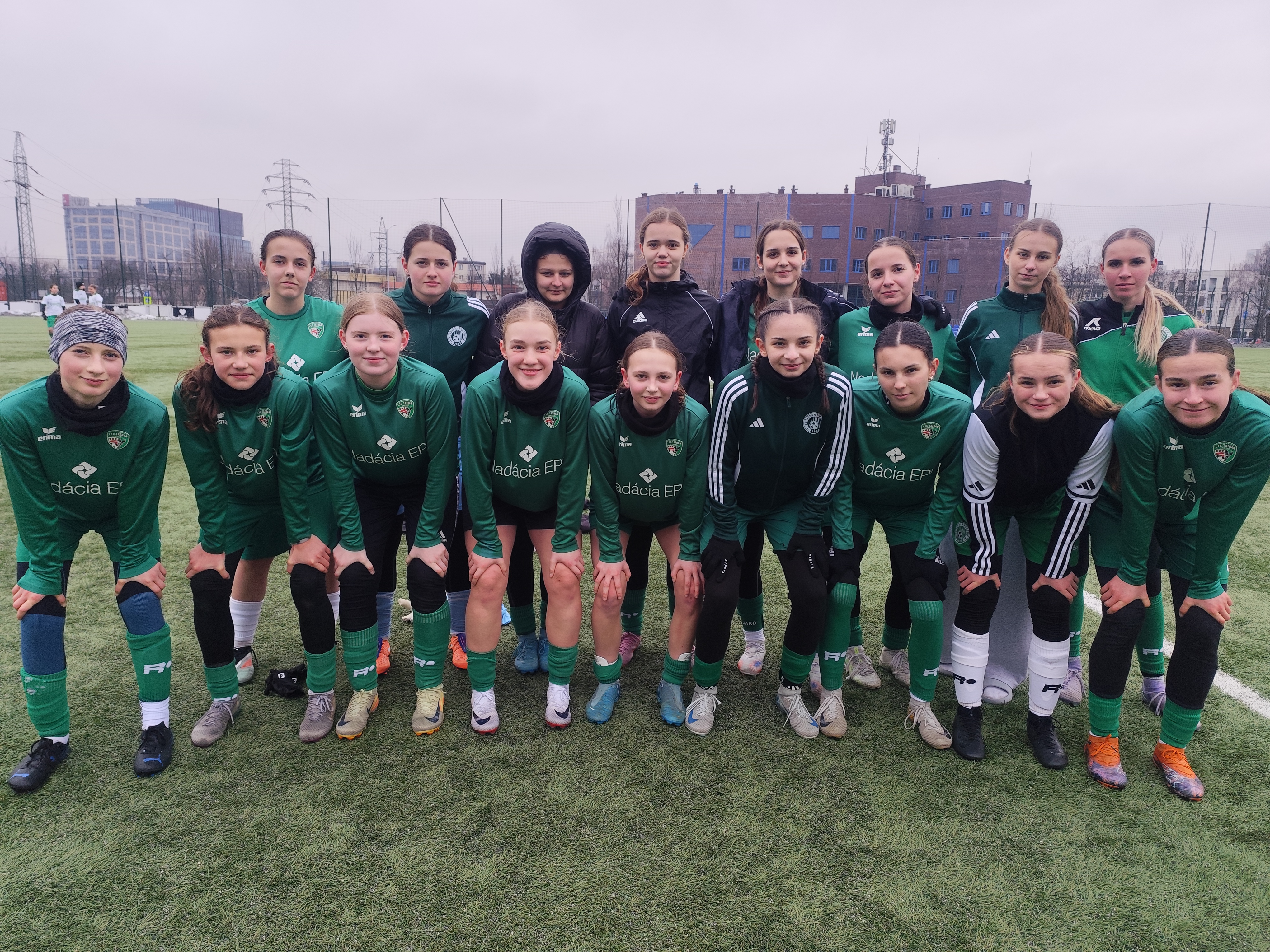
FC Tatran Prešov participated in the Slovak Futsal Championship with the aim of highlighting the role of sport as a platform for exchange of..
Read More
A training session dedicated to gender equality in sport, with a specific focus on women’s football, was organized in Italy as part of..
Read More
After the double match hosted the previous week by the DVTK Miskolc Academy in Hungary, this time we welcomed our..
Read More
The activity Building Confidence through Sport was implemented with the main objective of strengthening participants’..
Read More
Two international preparatory matches were held in Hungary at the DVTK Miskolc Football Academy. The activity represented..
Read More
A motivational football training session for girls was successfully organized with the aim of promoting women’s football and..
Read More
The activity “Stable Mind, Strong Team – Psychological Tools for Competition” was organised as an educational and..
Read More
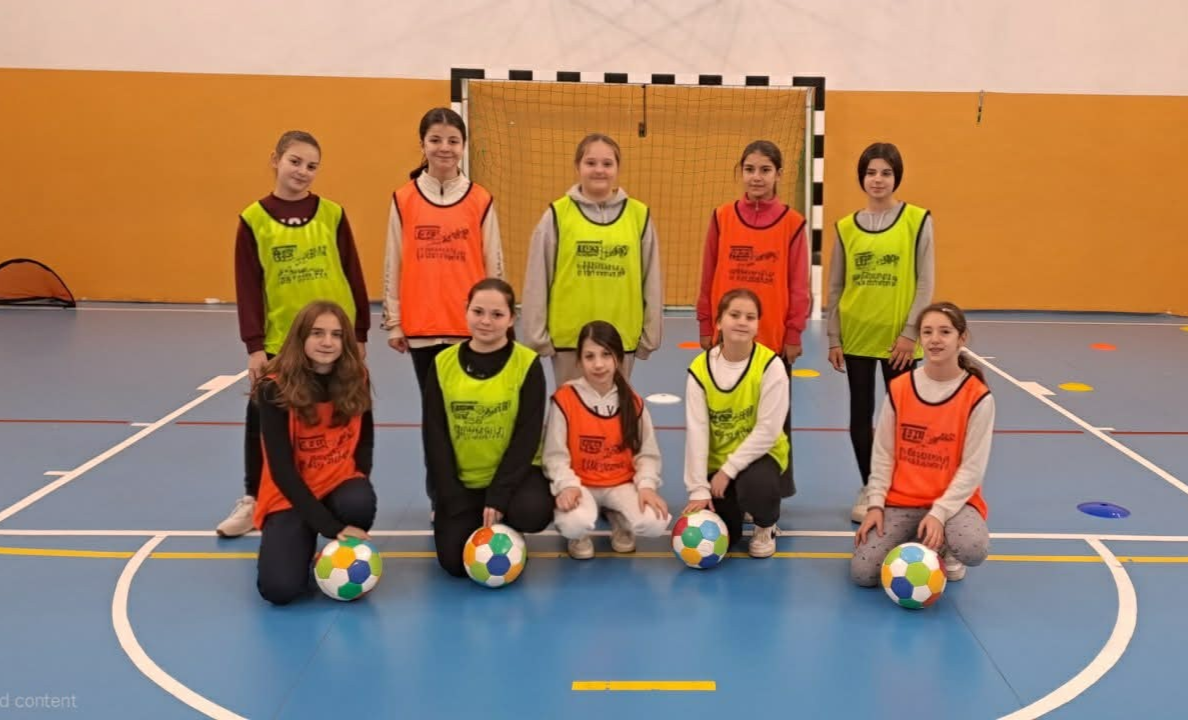
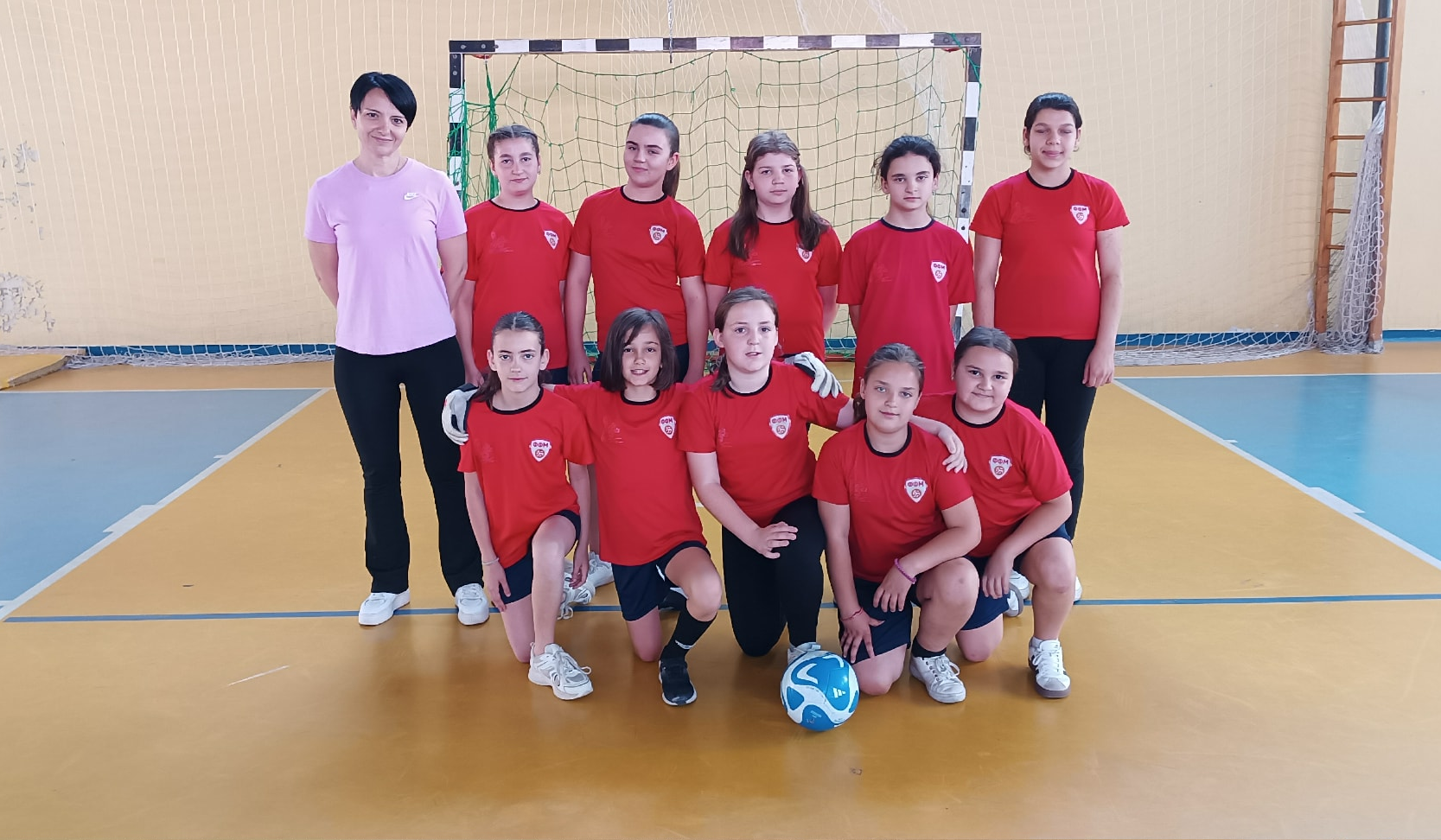
A football activity with girls was implemented on 23 December at the Primary School “Vasil Glavinov”..
Read More
A football activity with girls was implemented on 22 December at the Primary School “Kiril and Methodius”..
Read More
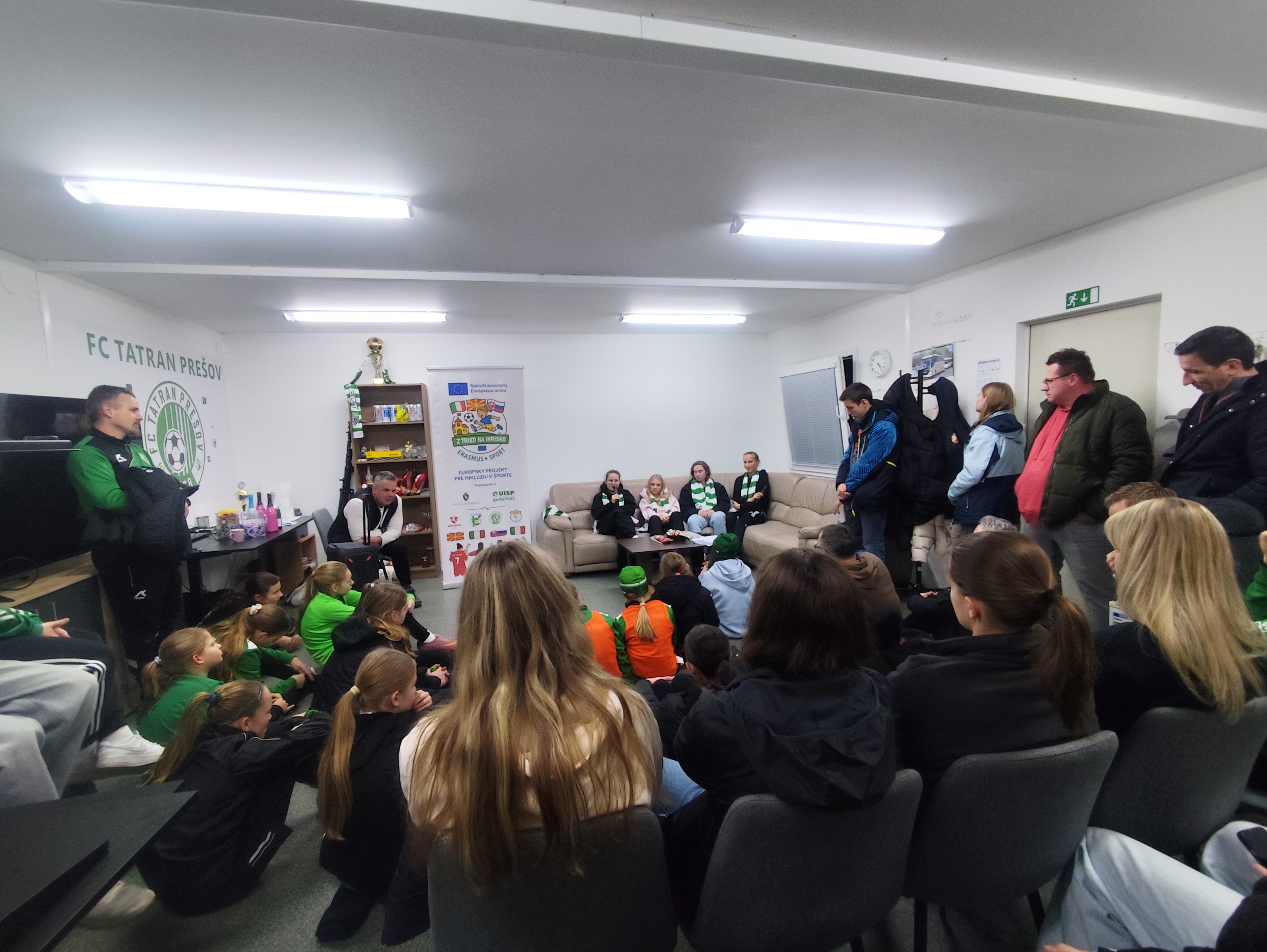
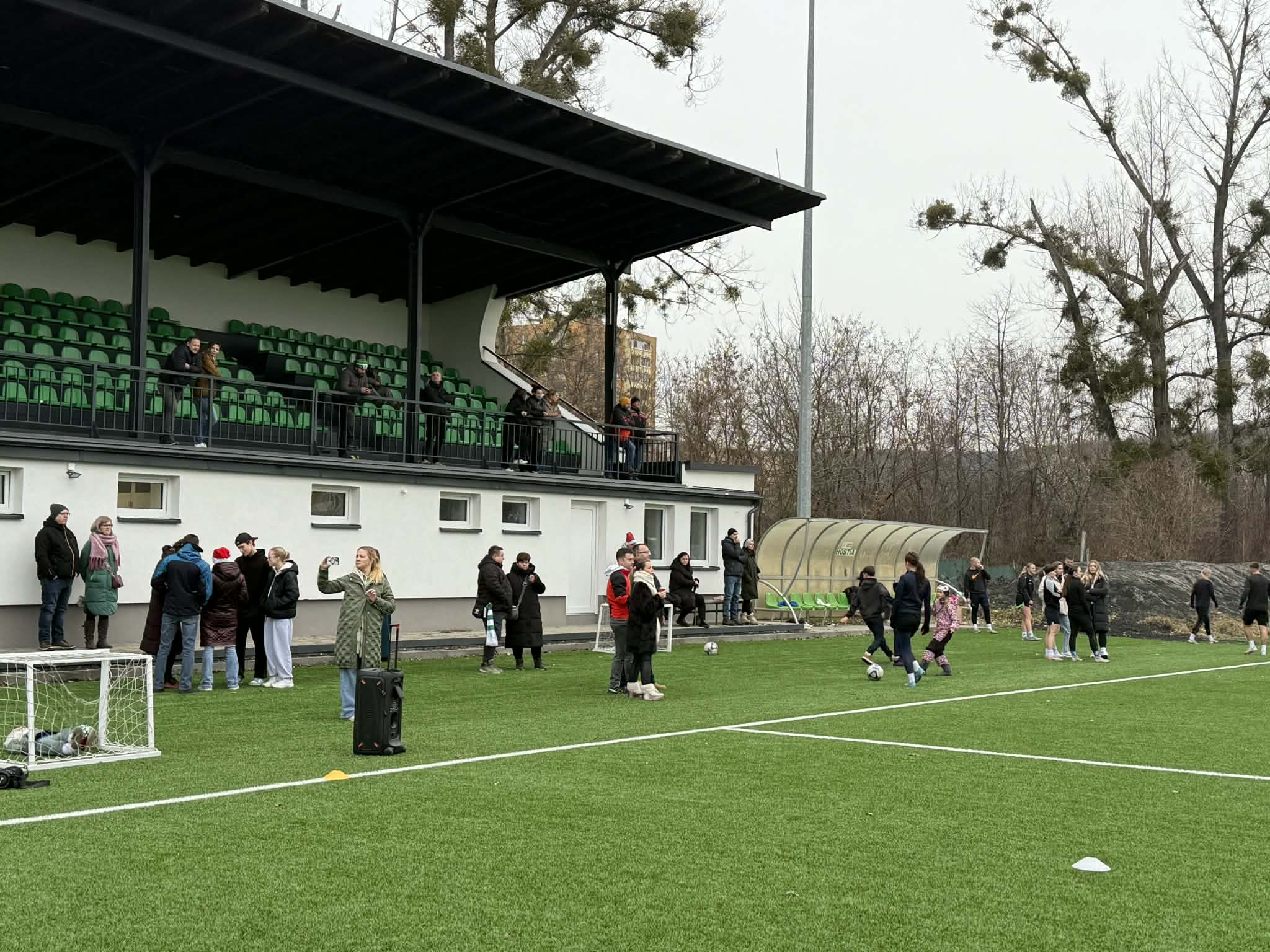
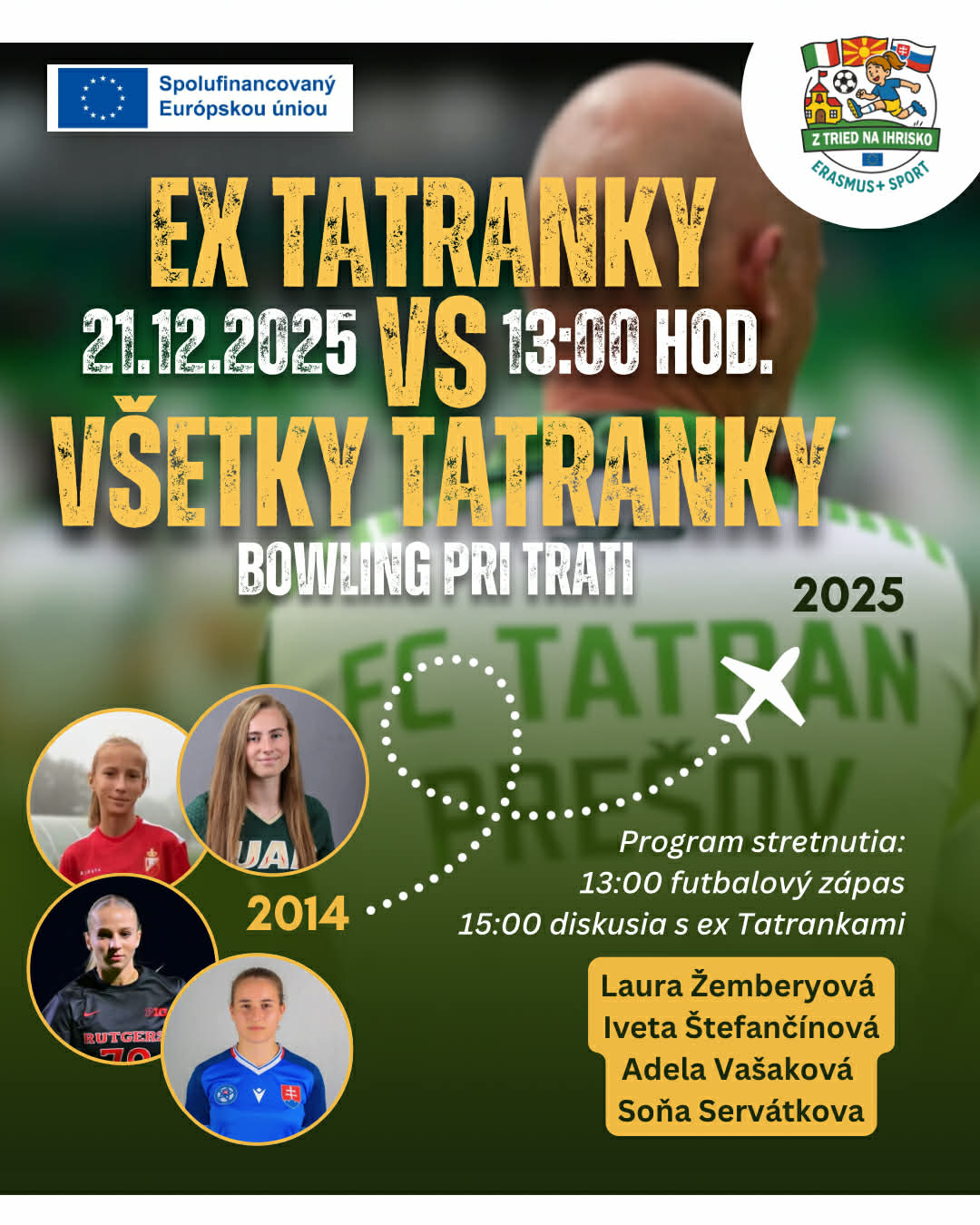
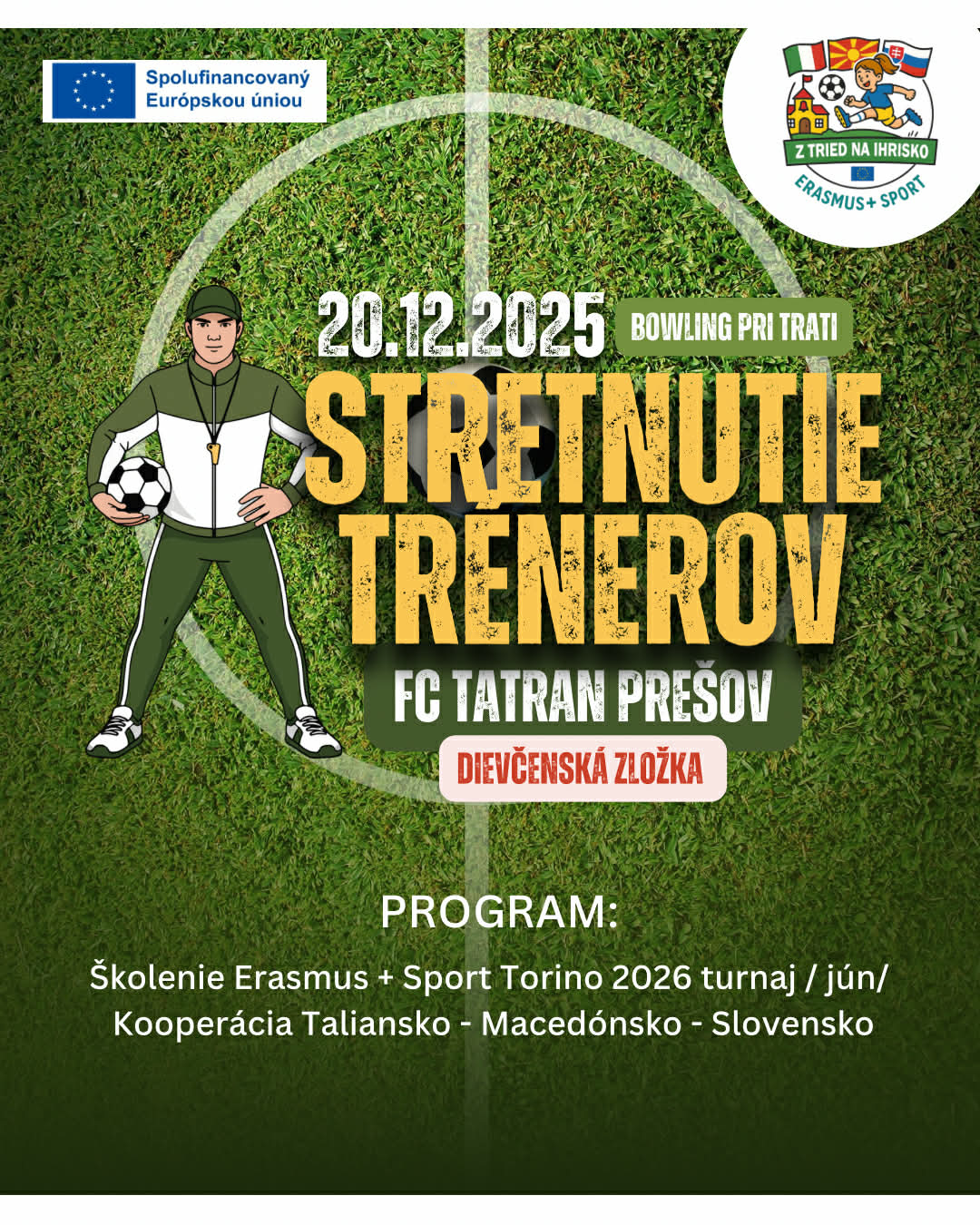
The event “Tatranky and Ex-Tatranky Day” was successfully organised at Bowling pri Trati. The initiative aimed to..
Read More
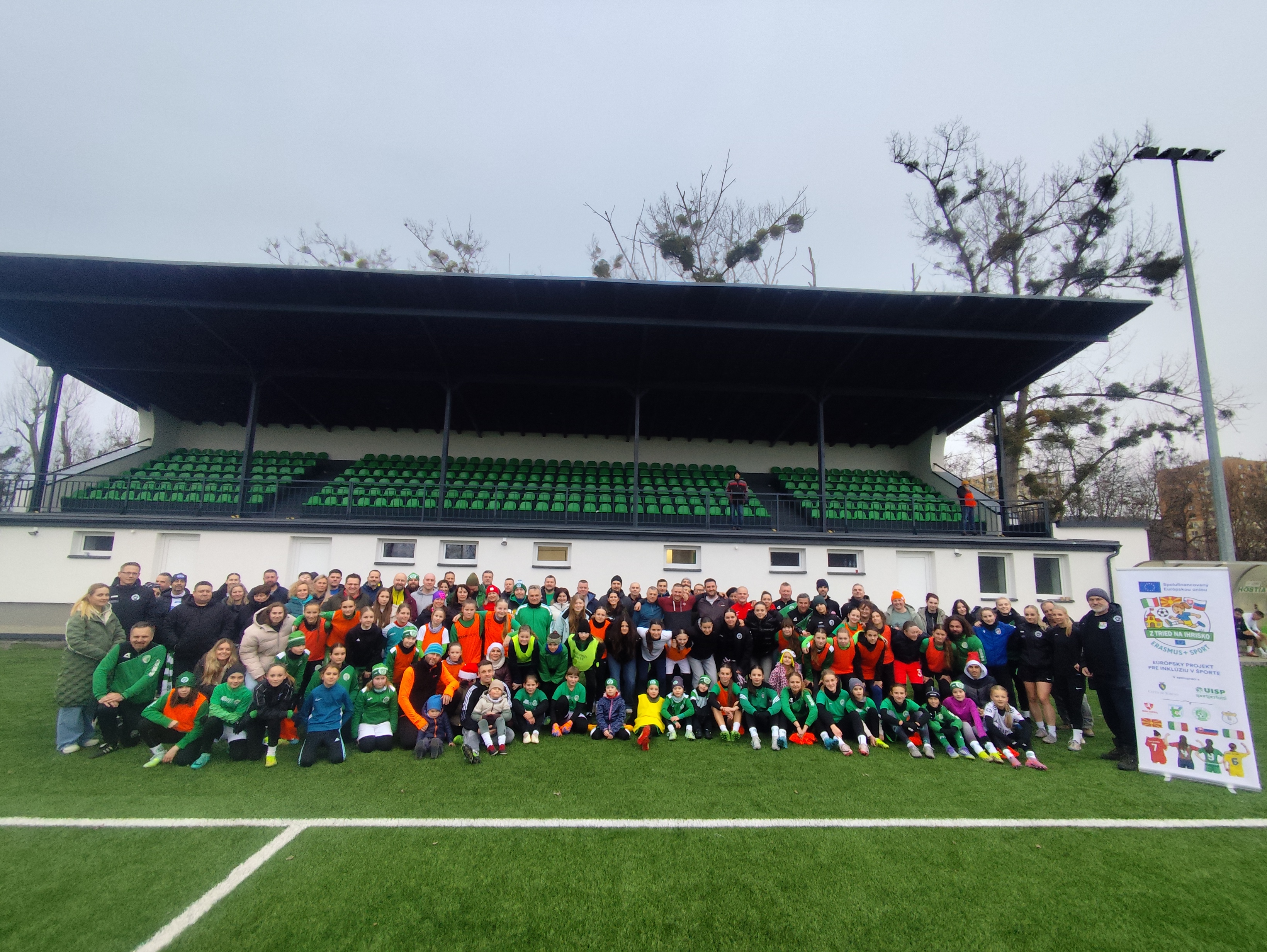
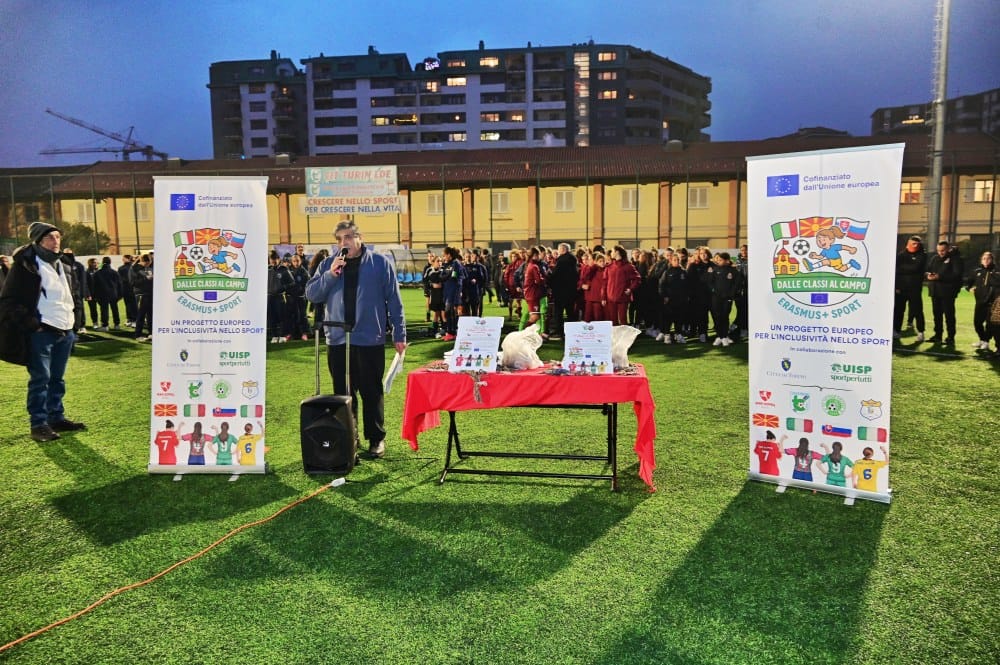
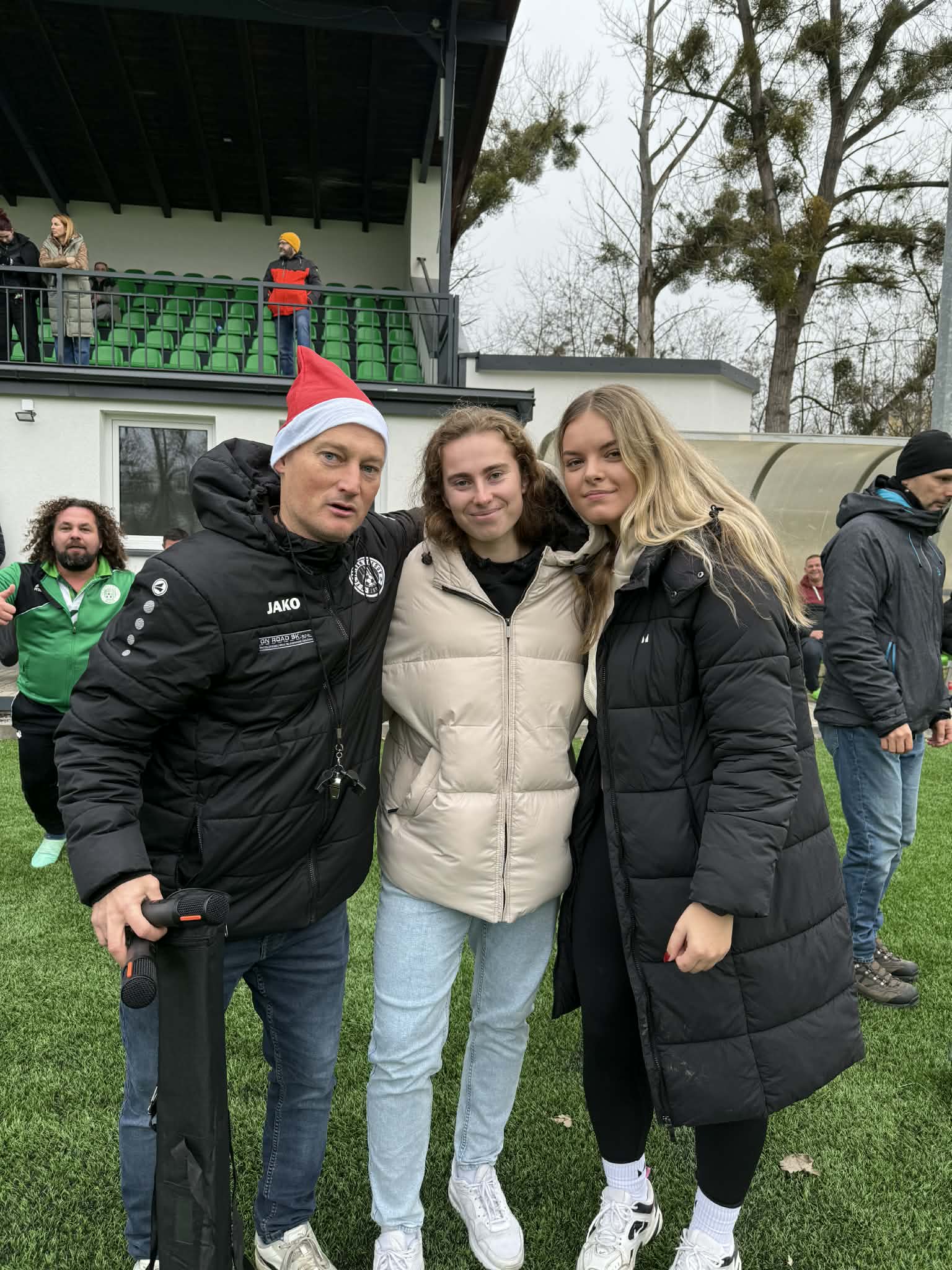
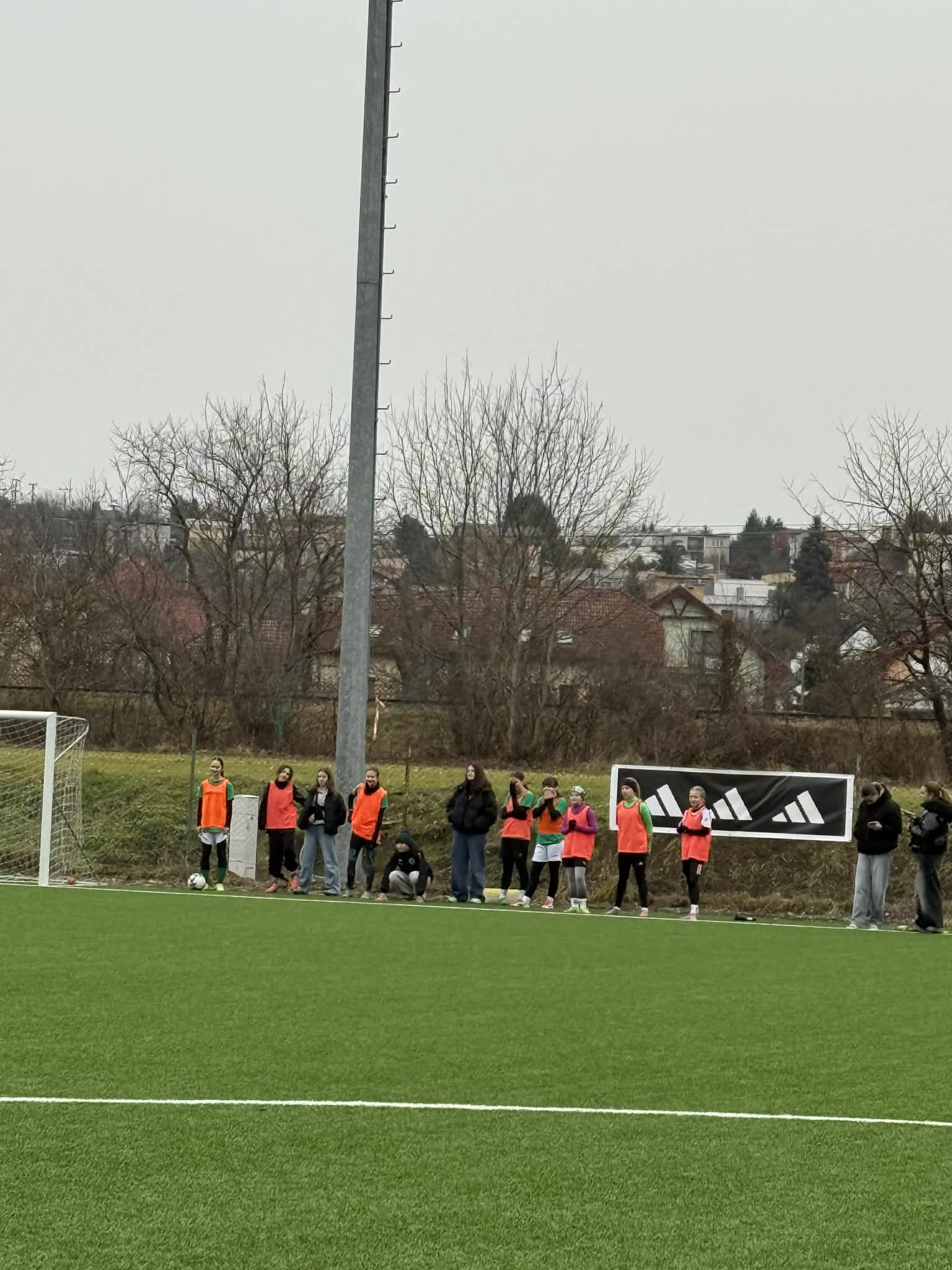
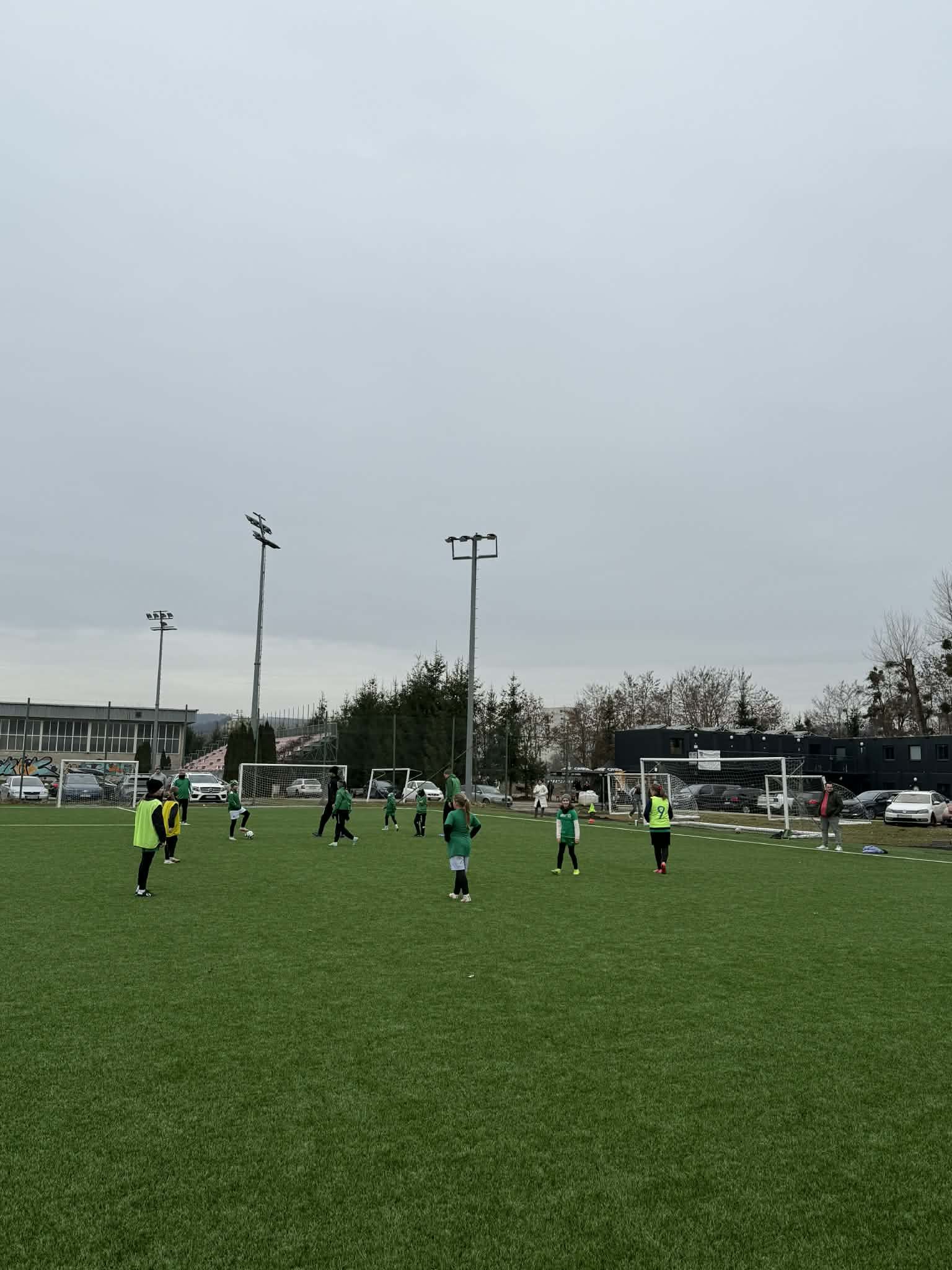
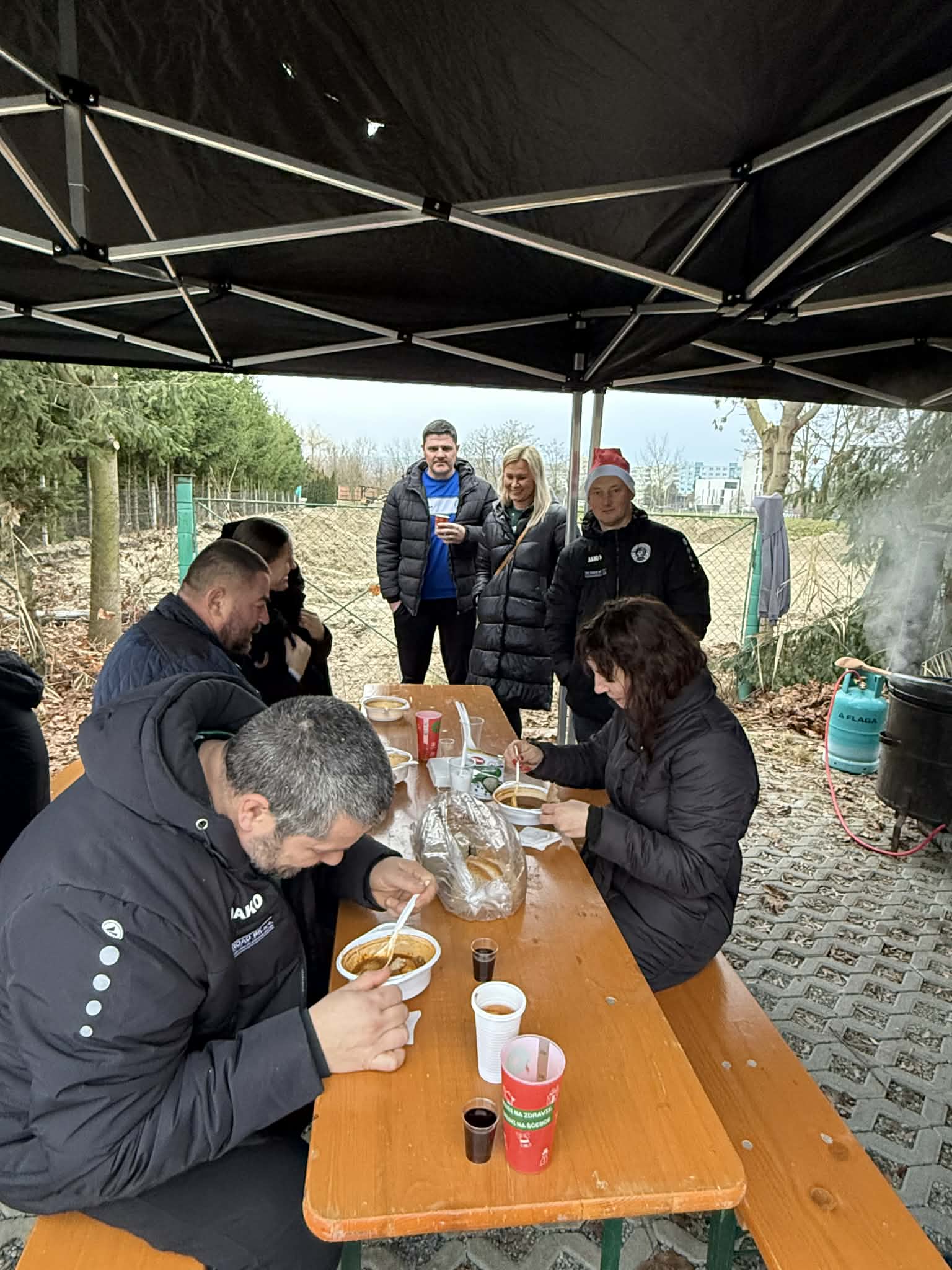
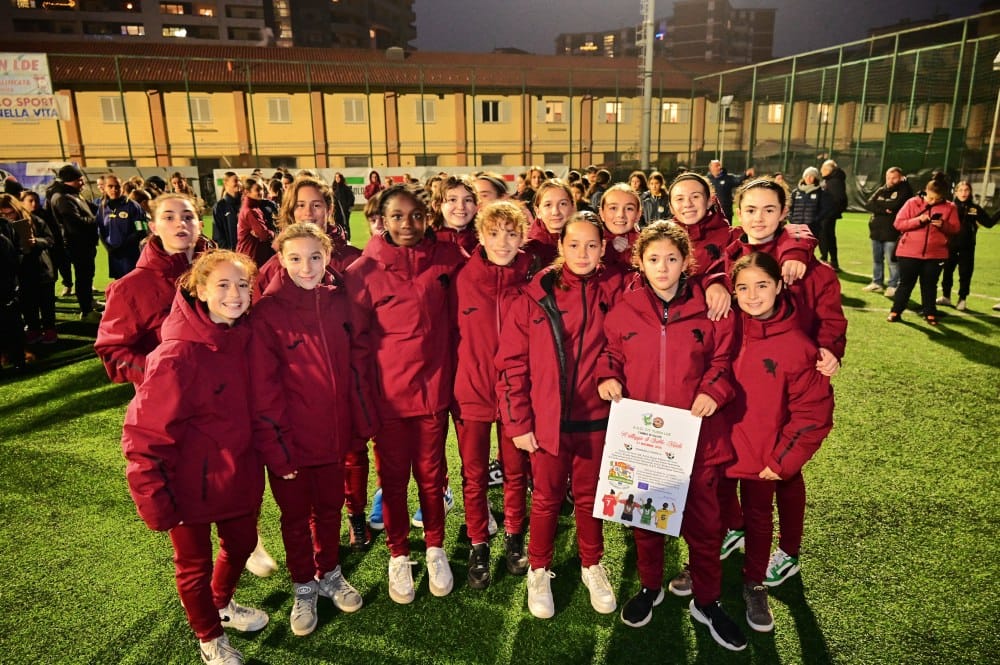
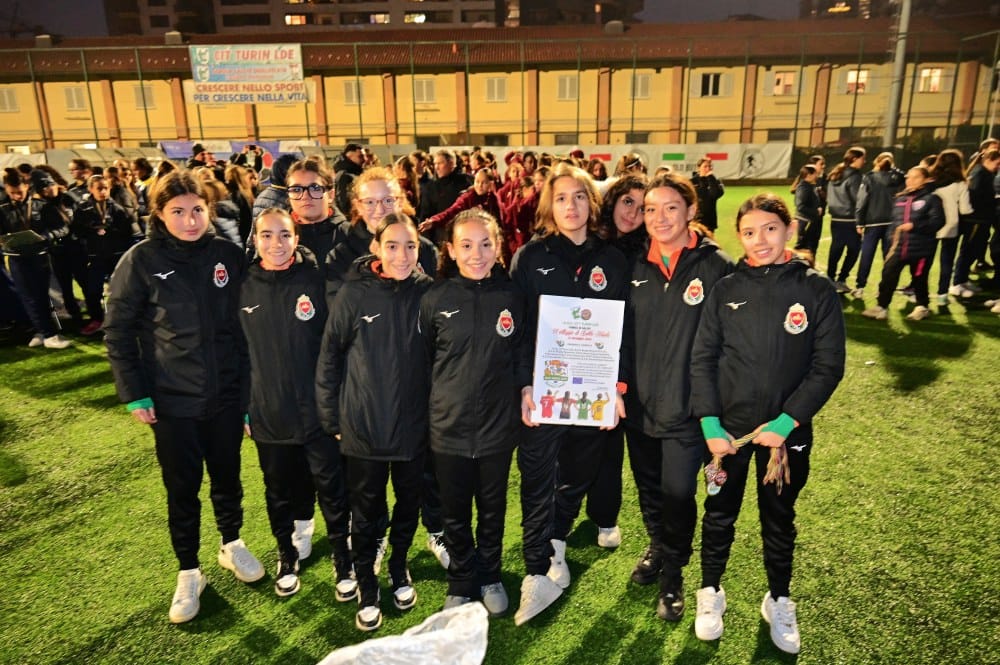
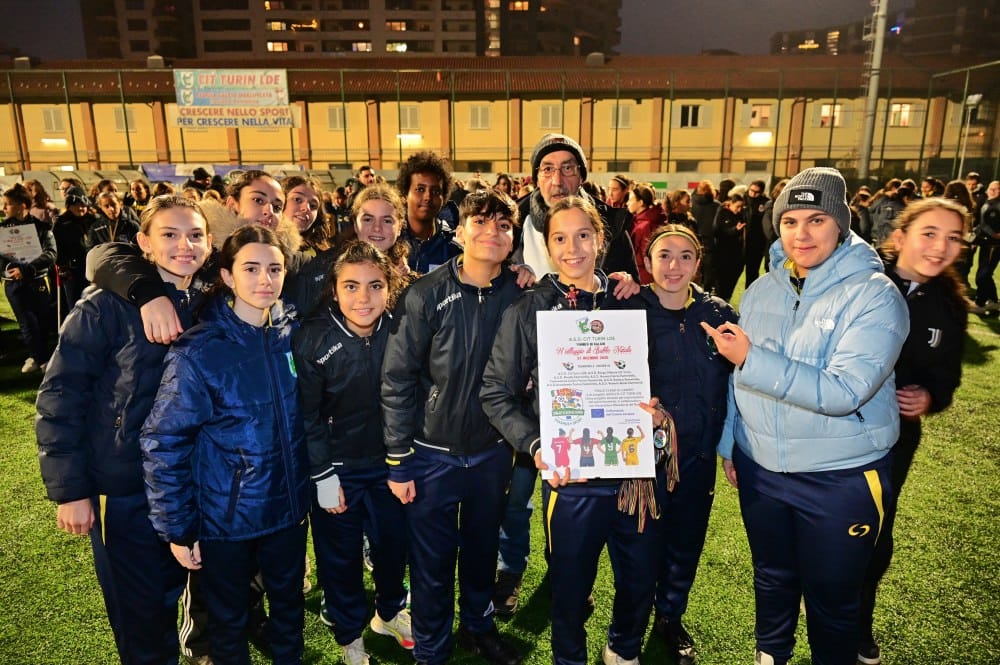
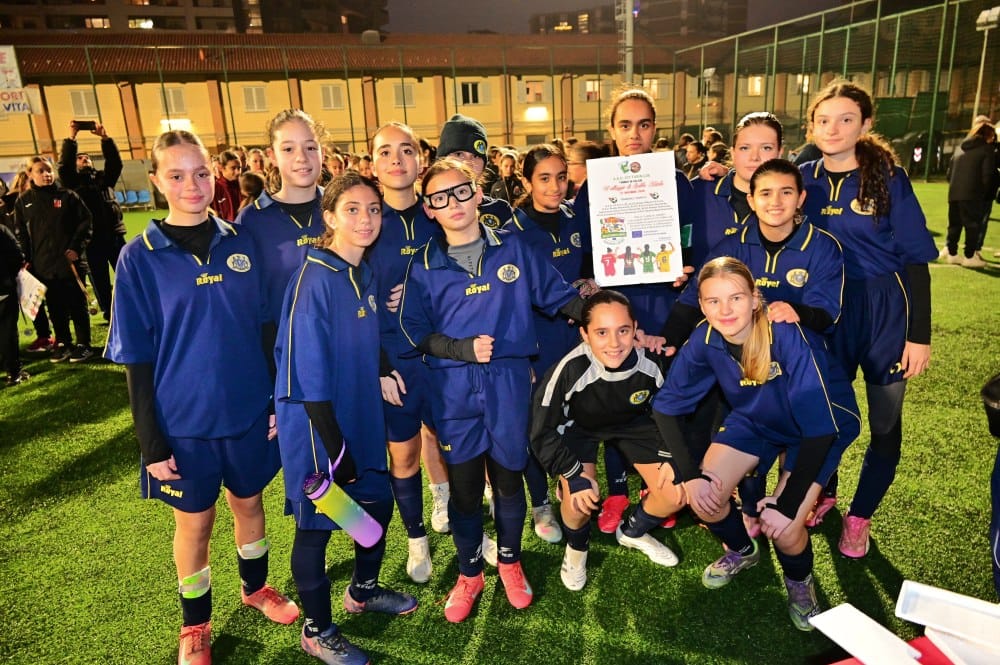
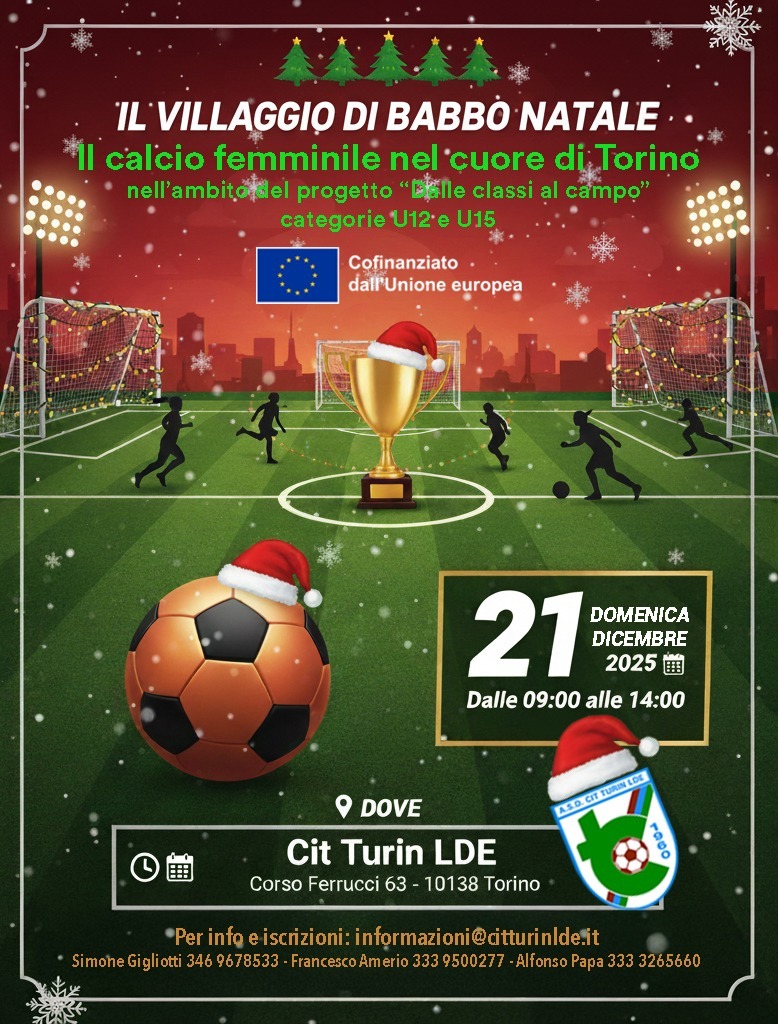
Cit Turin LDE organised the girls’ football tournament “Santa's Village”, dedicated to..
Read More
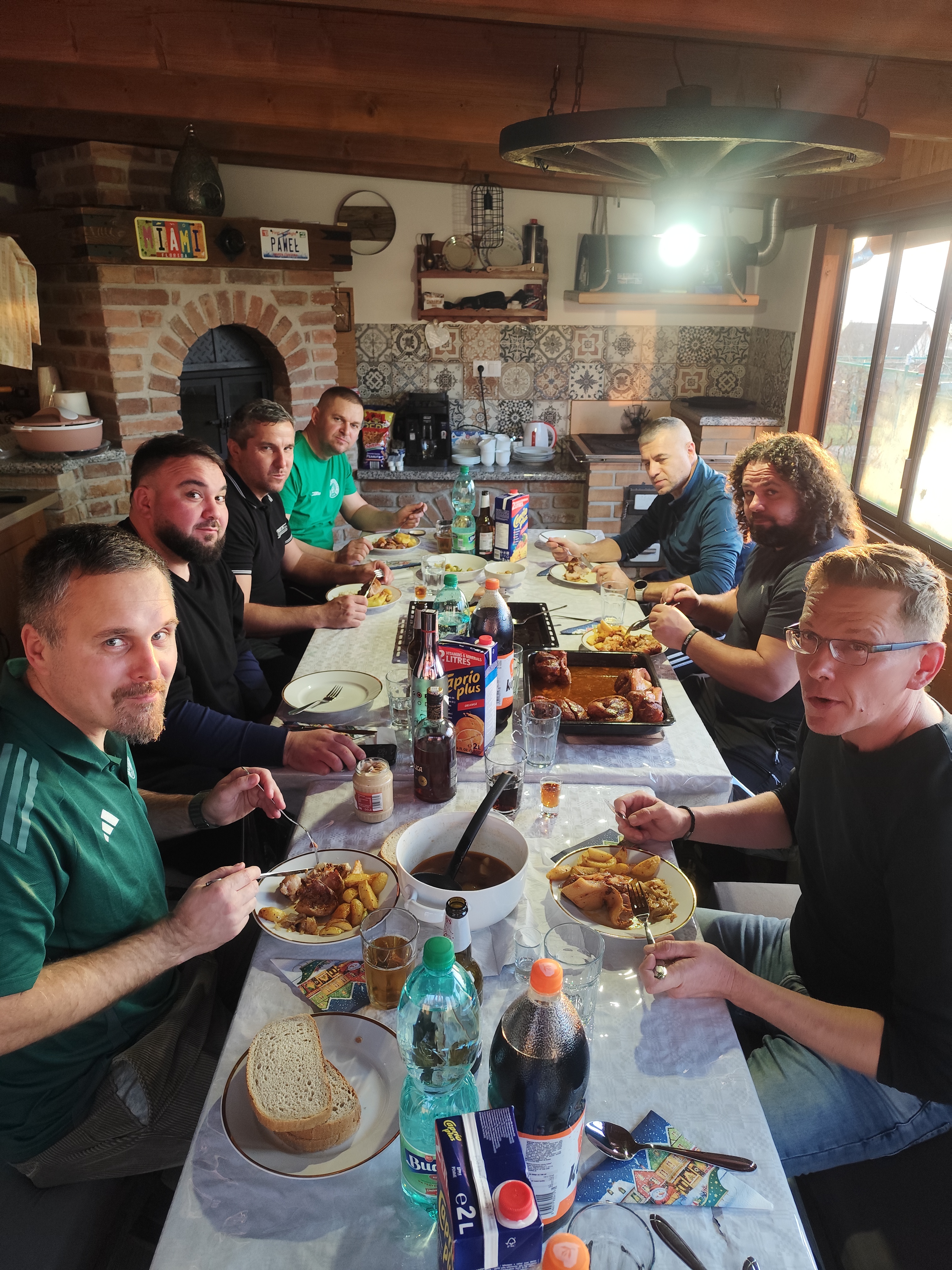
A coaches’ meeting was held to familiarise the staff with the overall project framework, its..
Read More
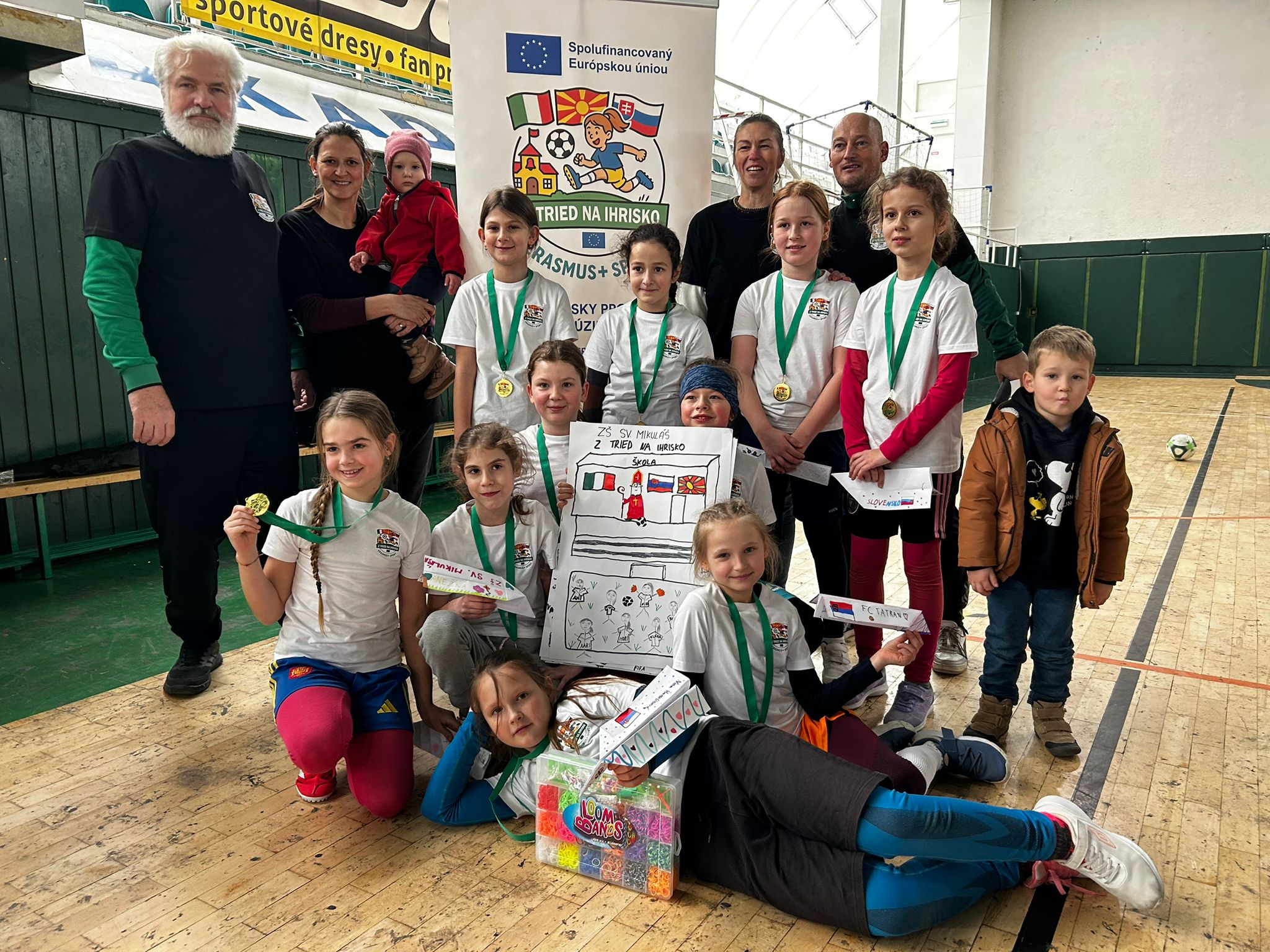
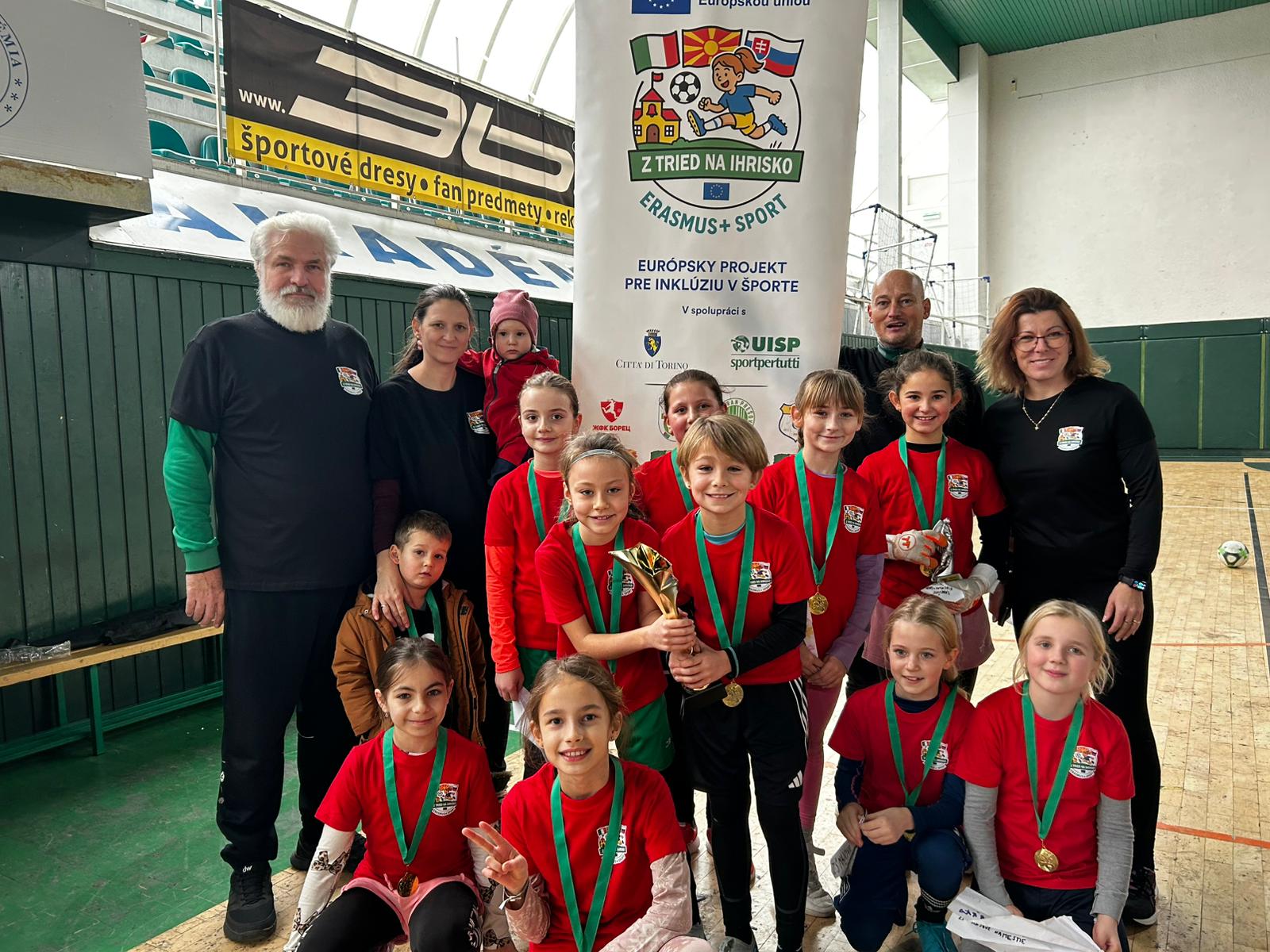
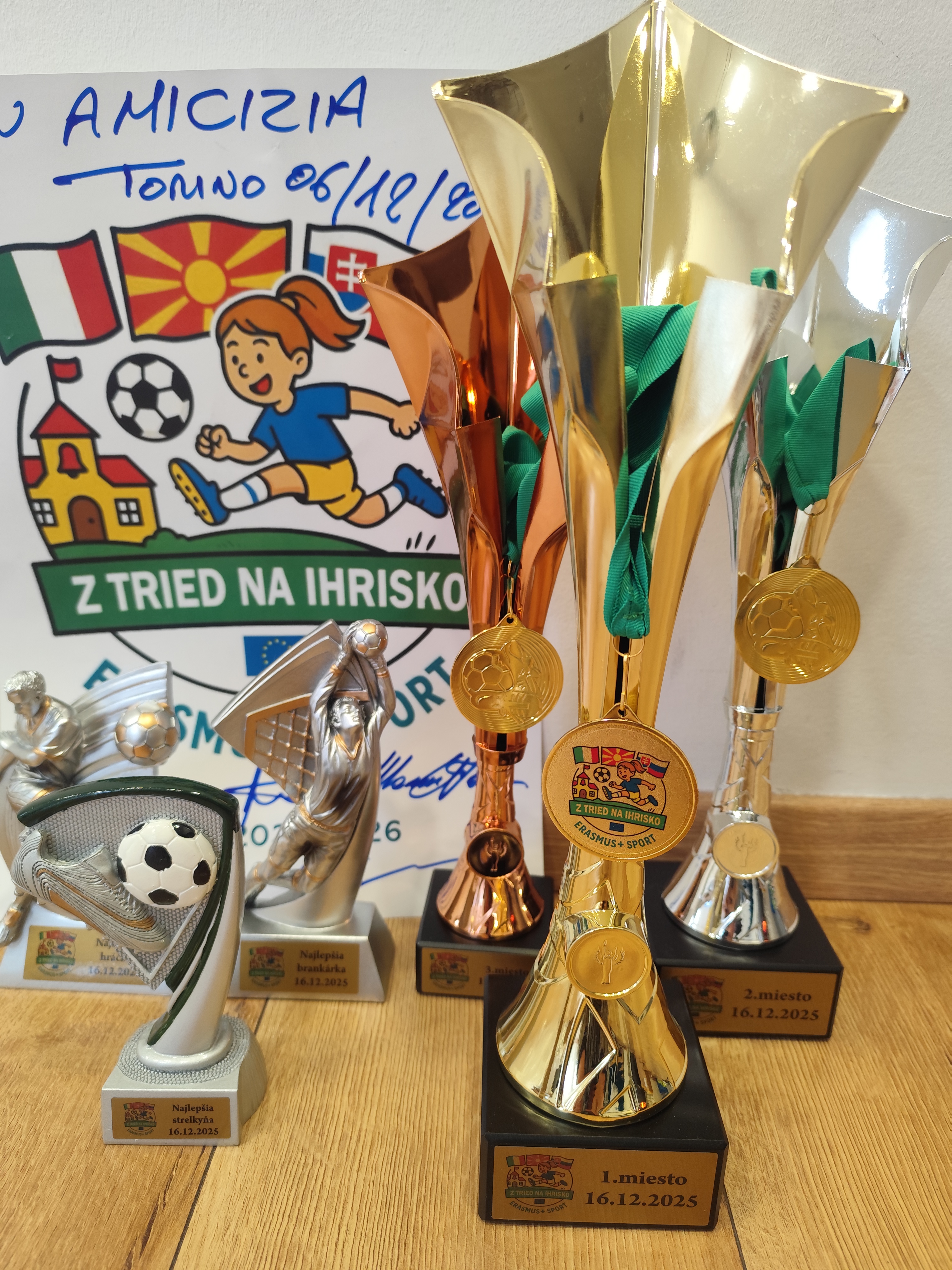
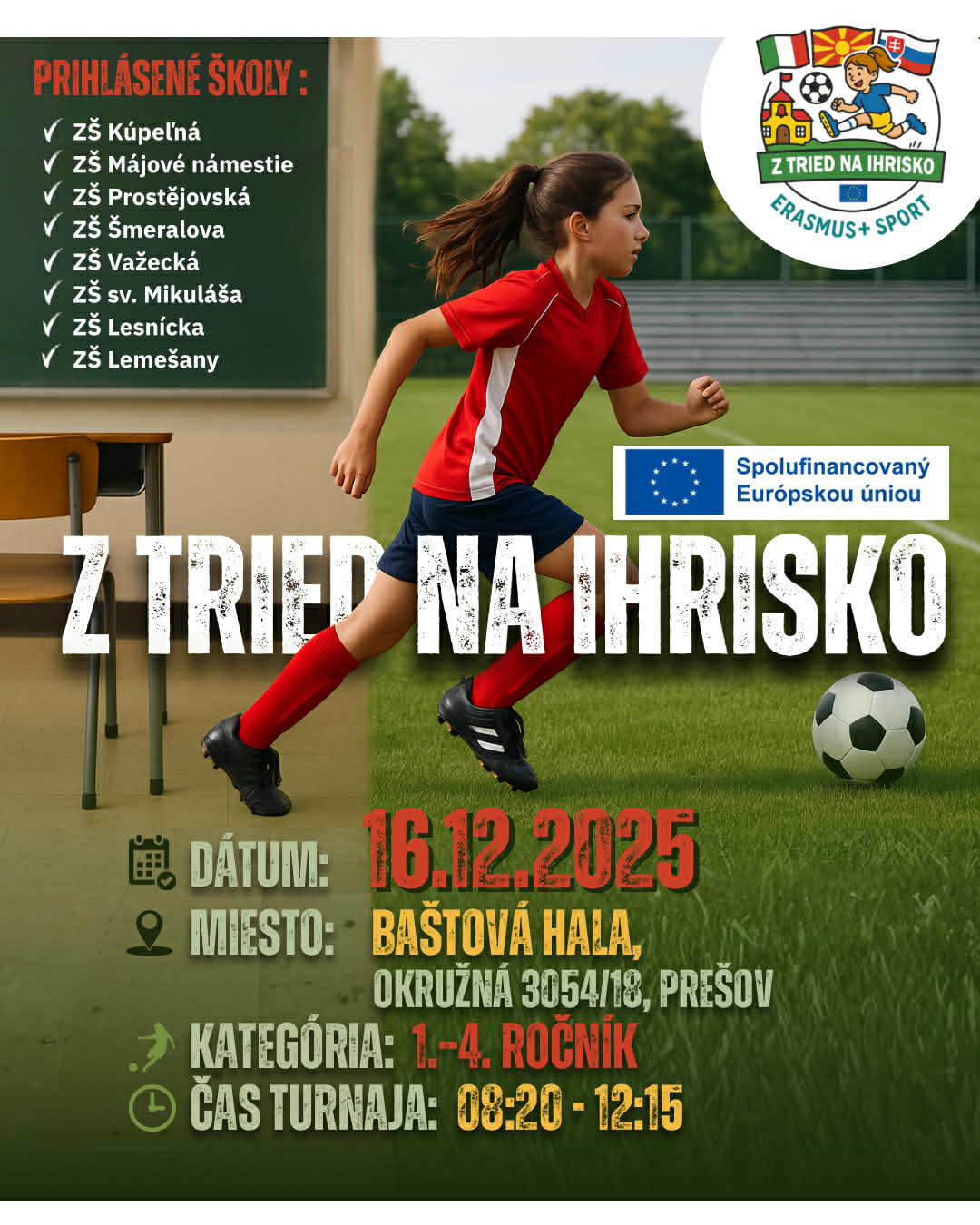
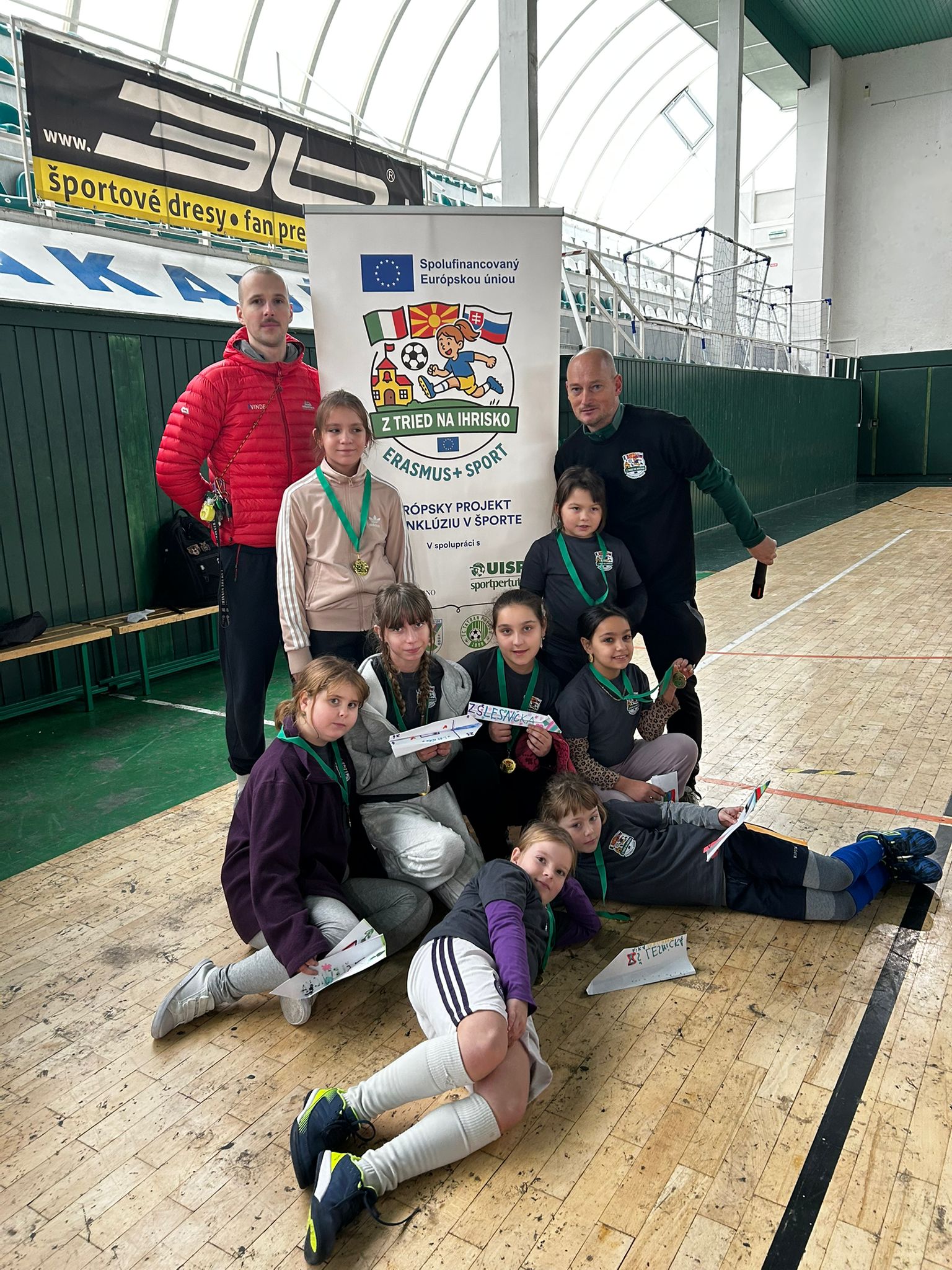
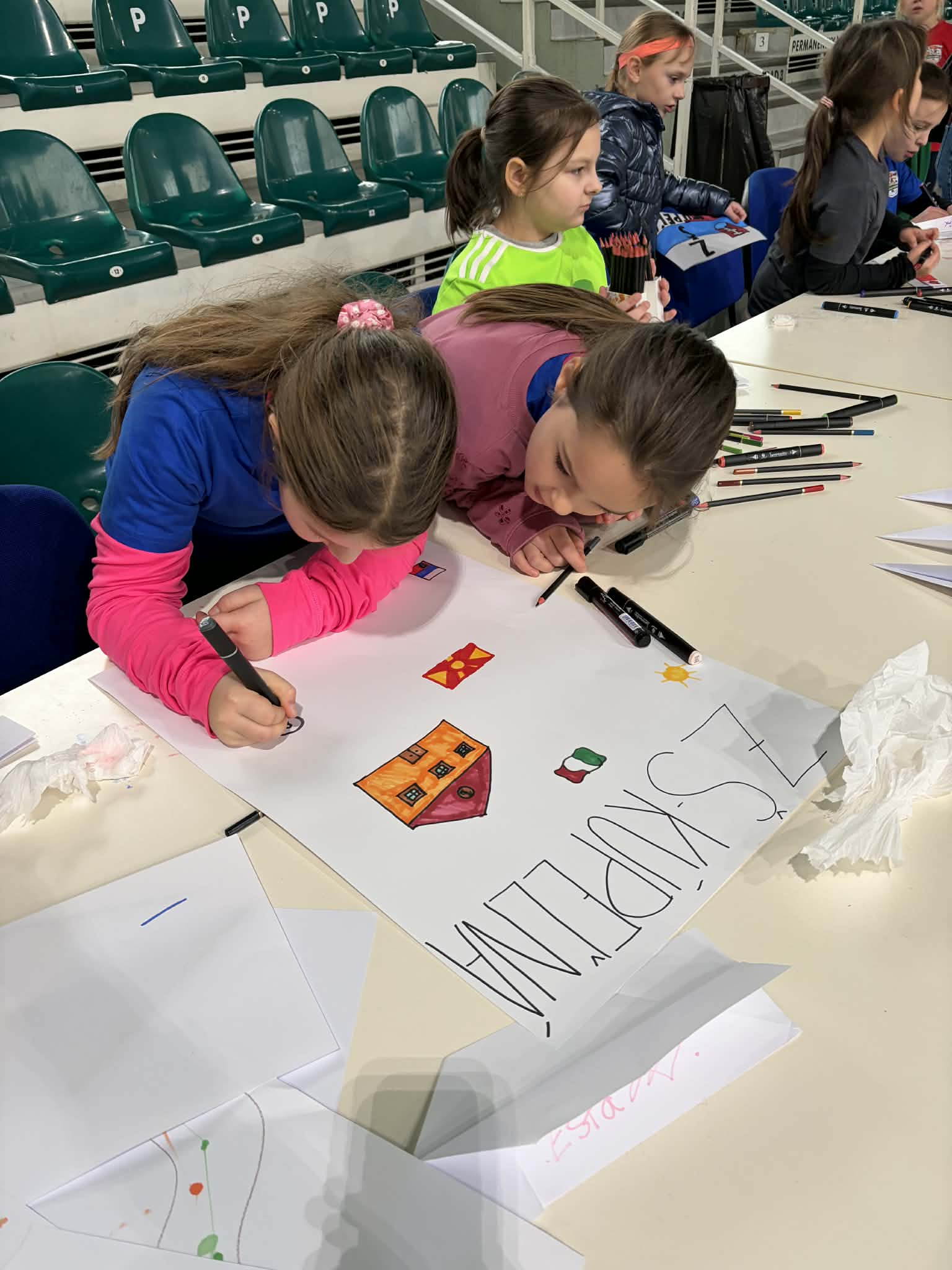
The first round of the football tournament and creative workshops took place on 16 December..
Read More
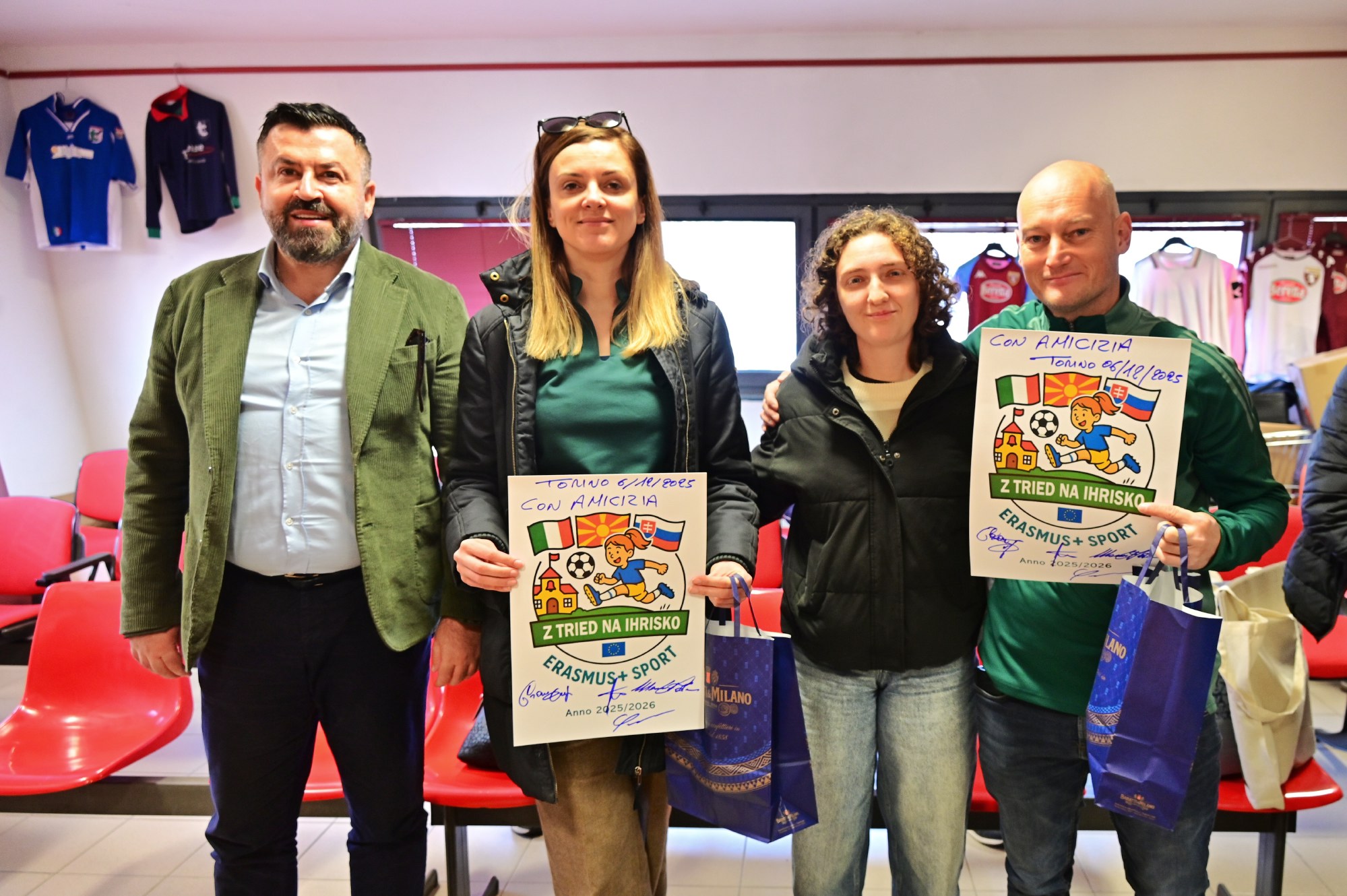
On 6 and 7 December, the Italian partners of the Erasmus+ Sport project "From Classrooms to the Pitch" had the pleasure of..
Read More
Cit Turin LDE organised a moment of reflection and awareness-raising on the occasion of the International..
Read More
We are proud to announce that “From Classrooms to the Pitch” has been officially selected for..
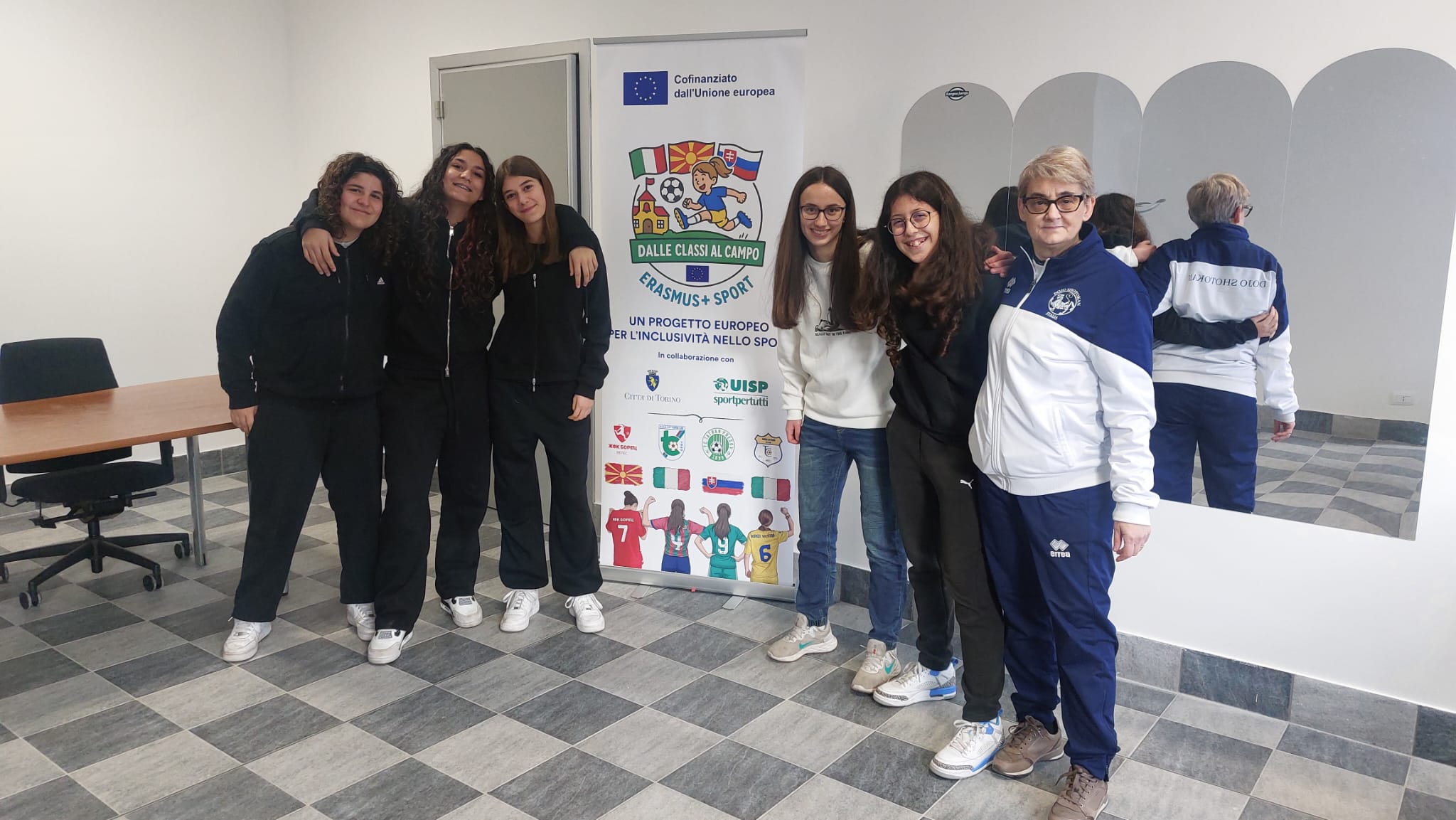
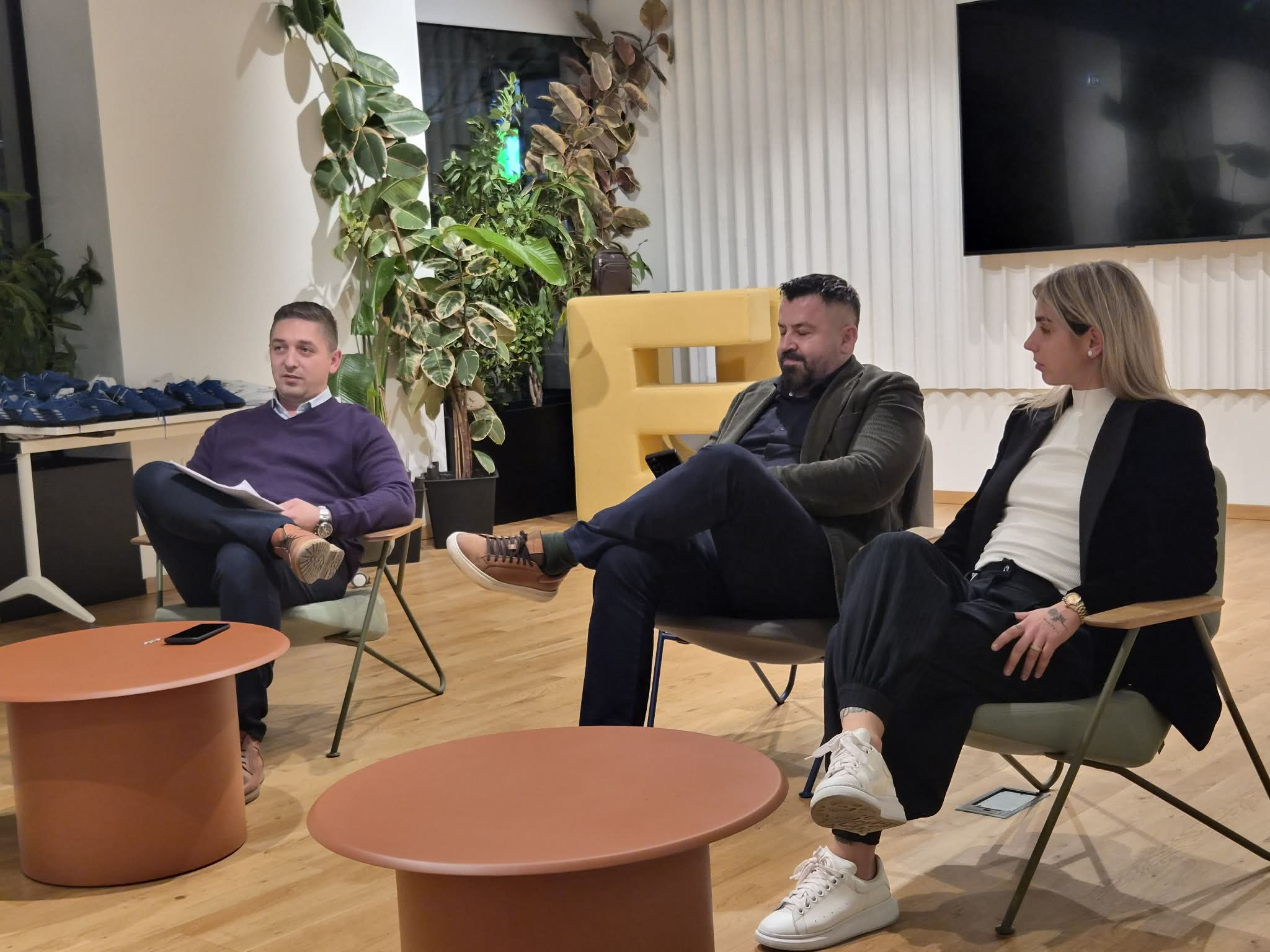
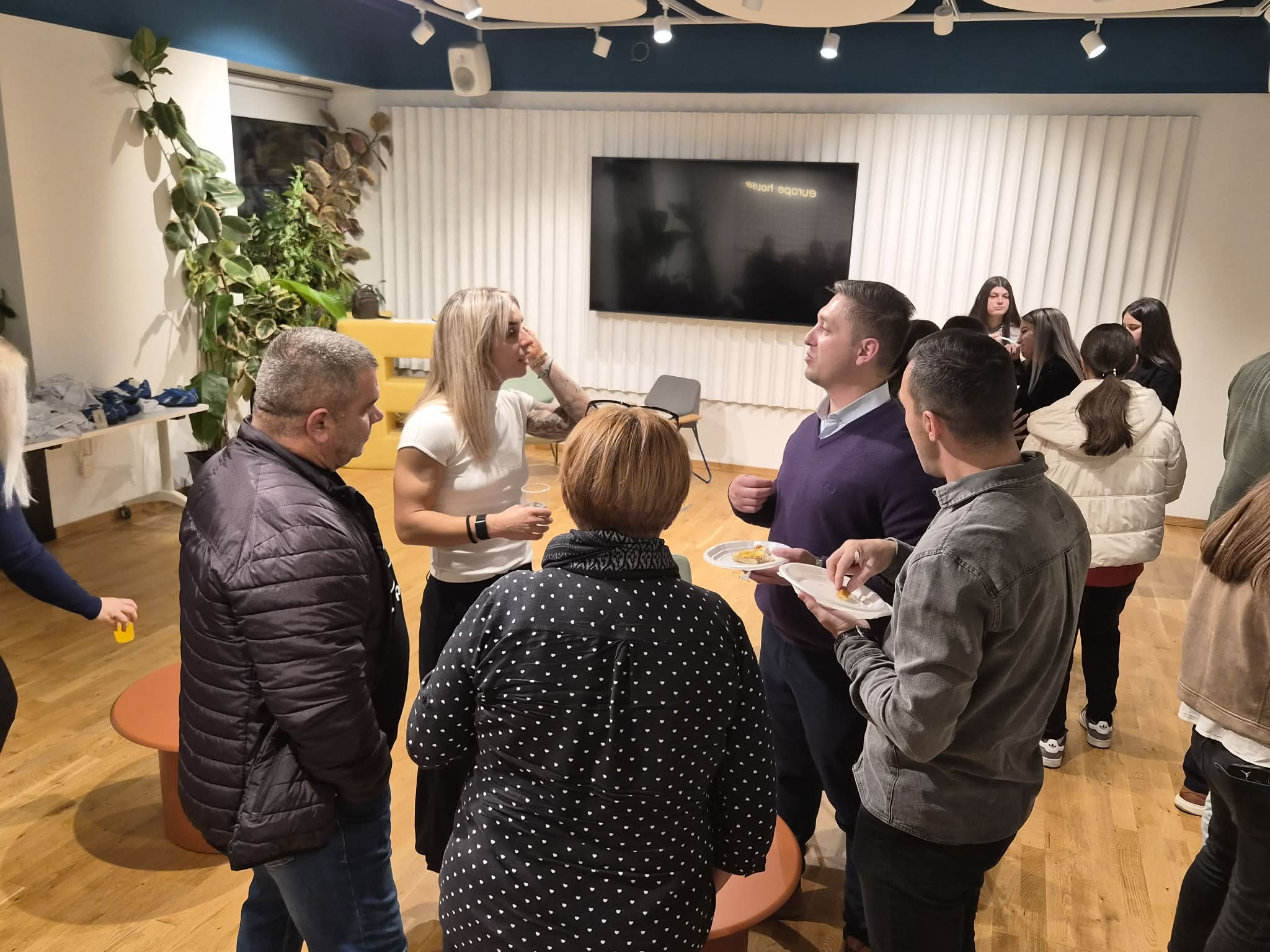
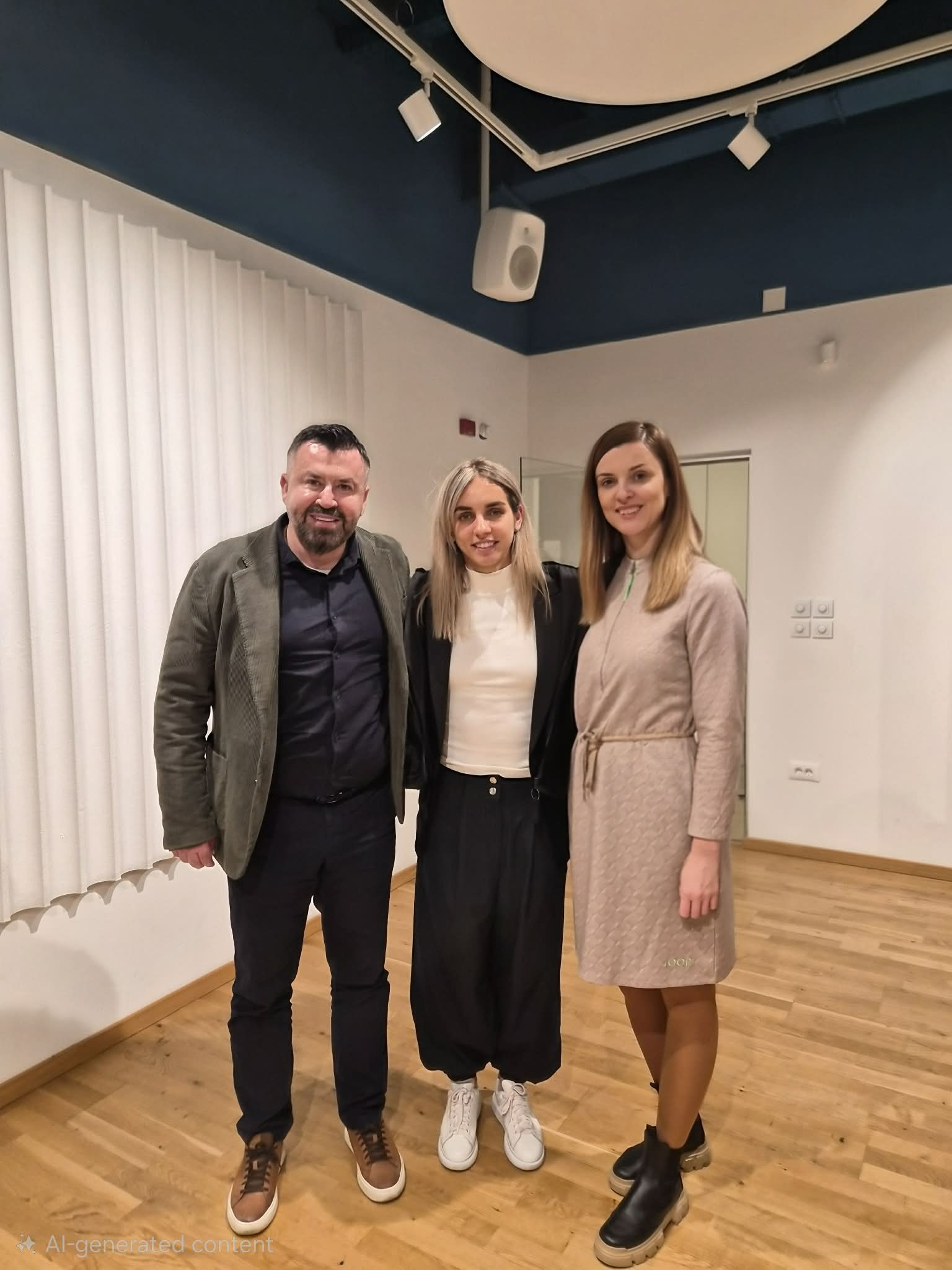
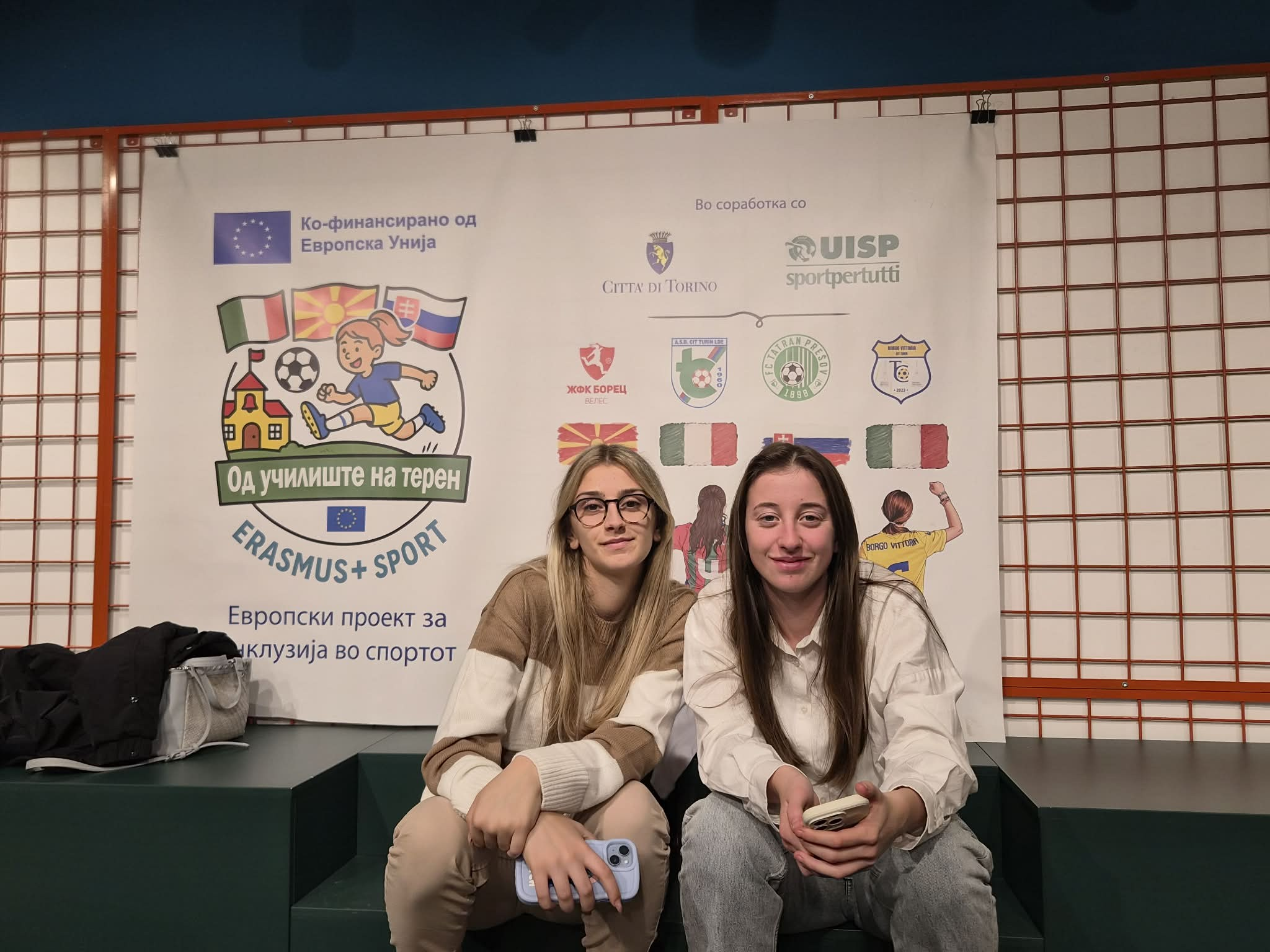
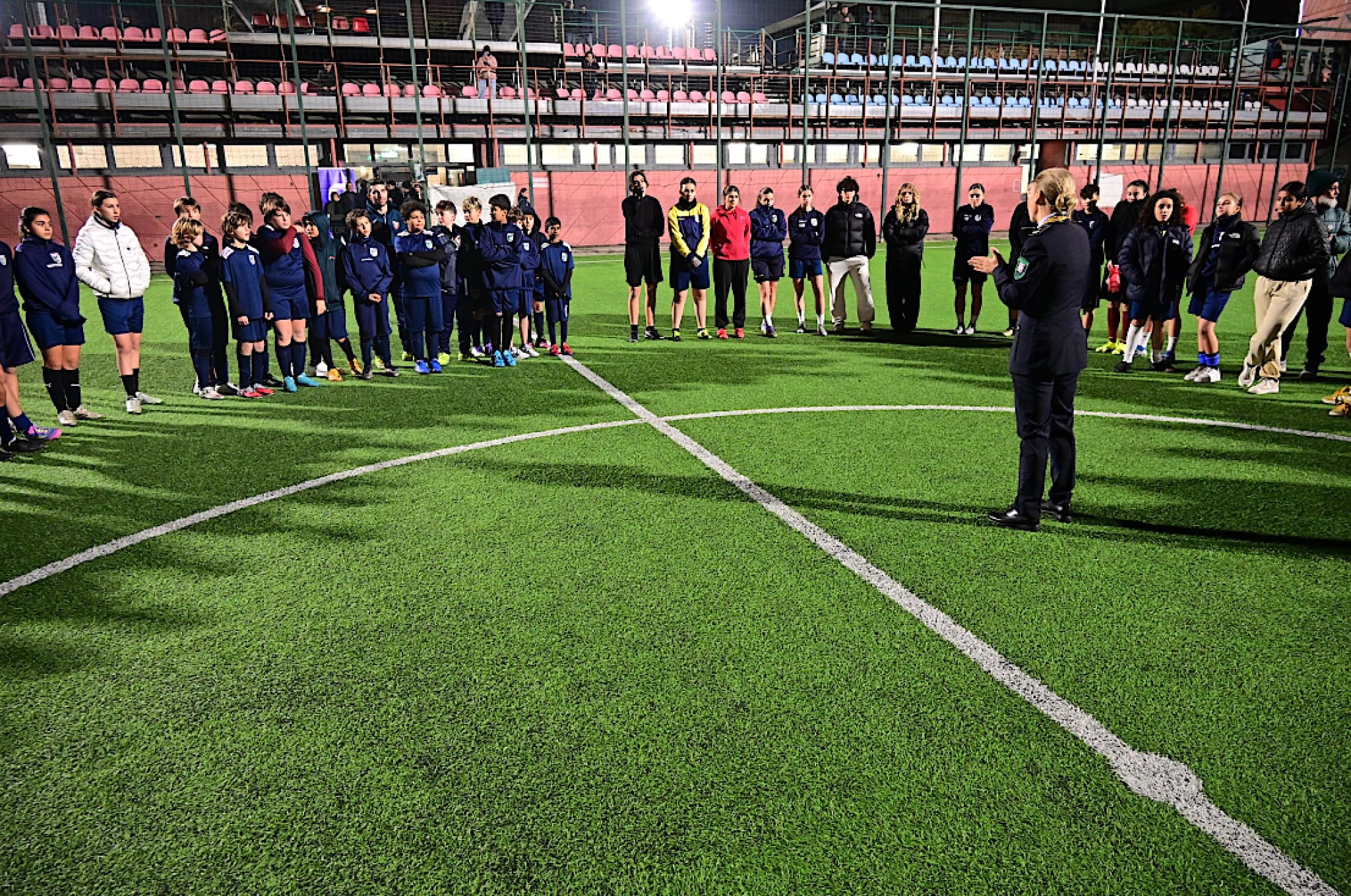
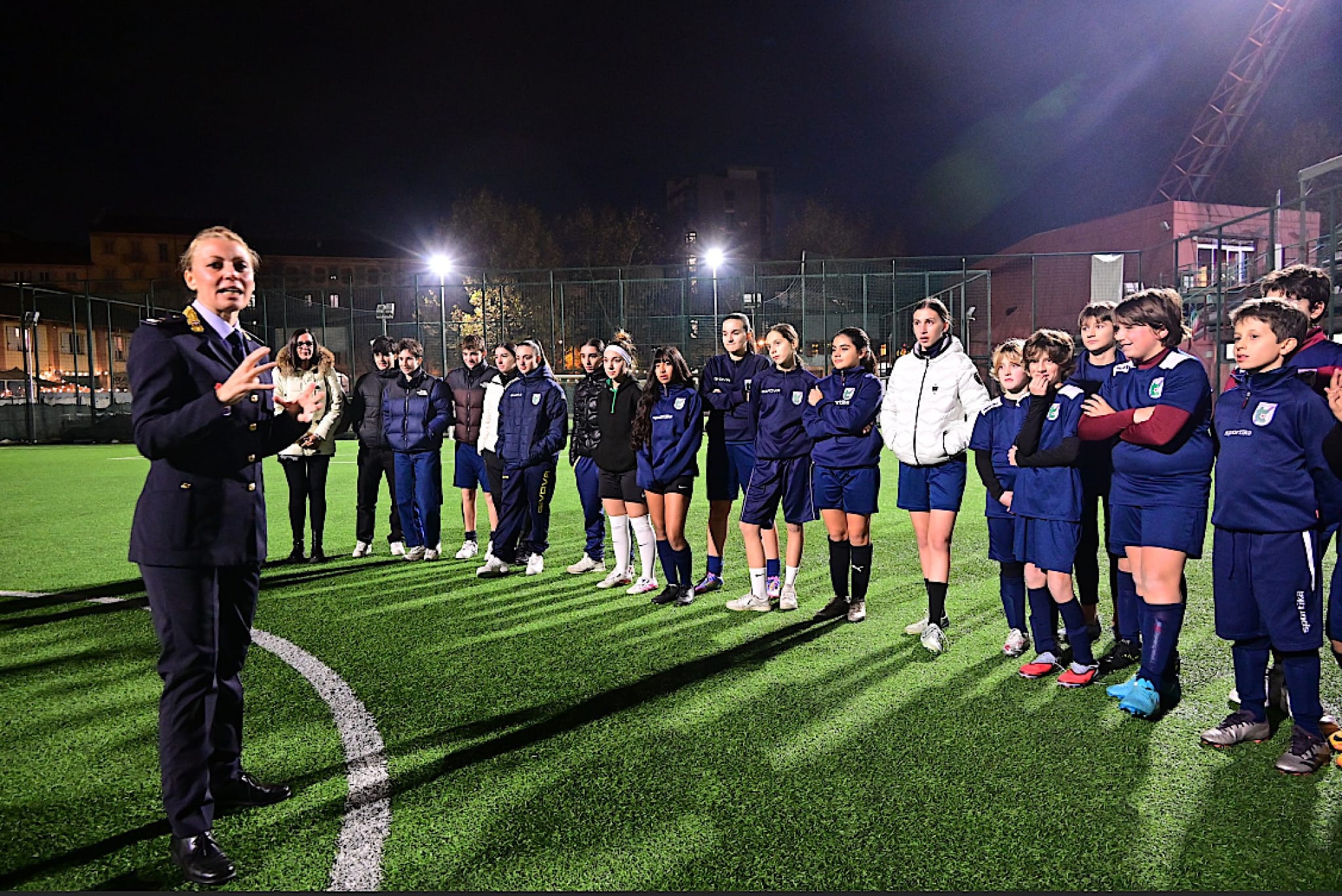
Read MoreOn 7 April, the girls of Cit Turin LDE took part in a dedicated session with a sports psychologist, organised within the framework of the project “From Classrooms to the Pitch”, co-funded by the Erasmus+ Sport programme of the European Union.
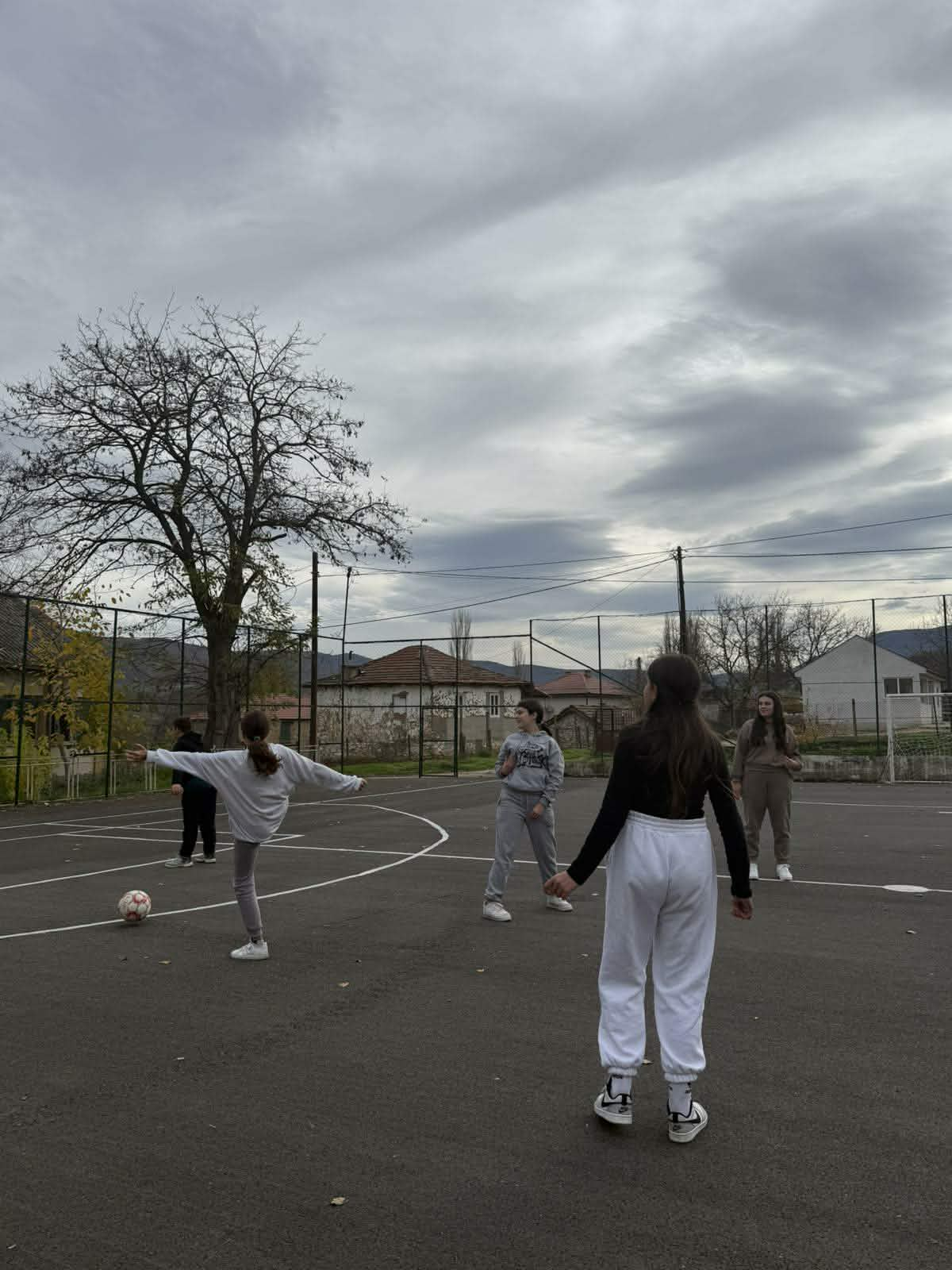
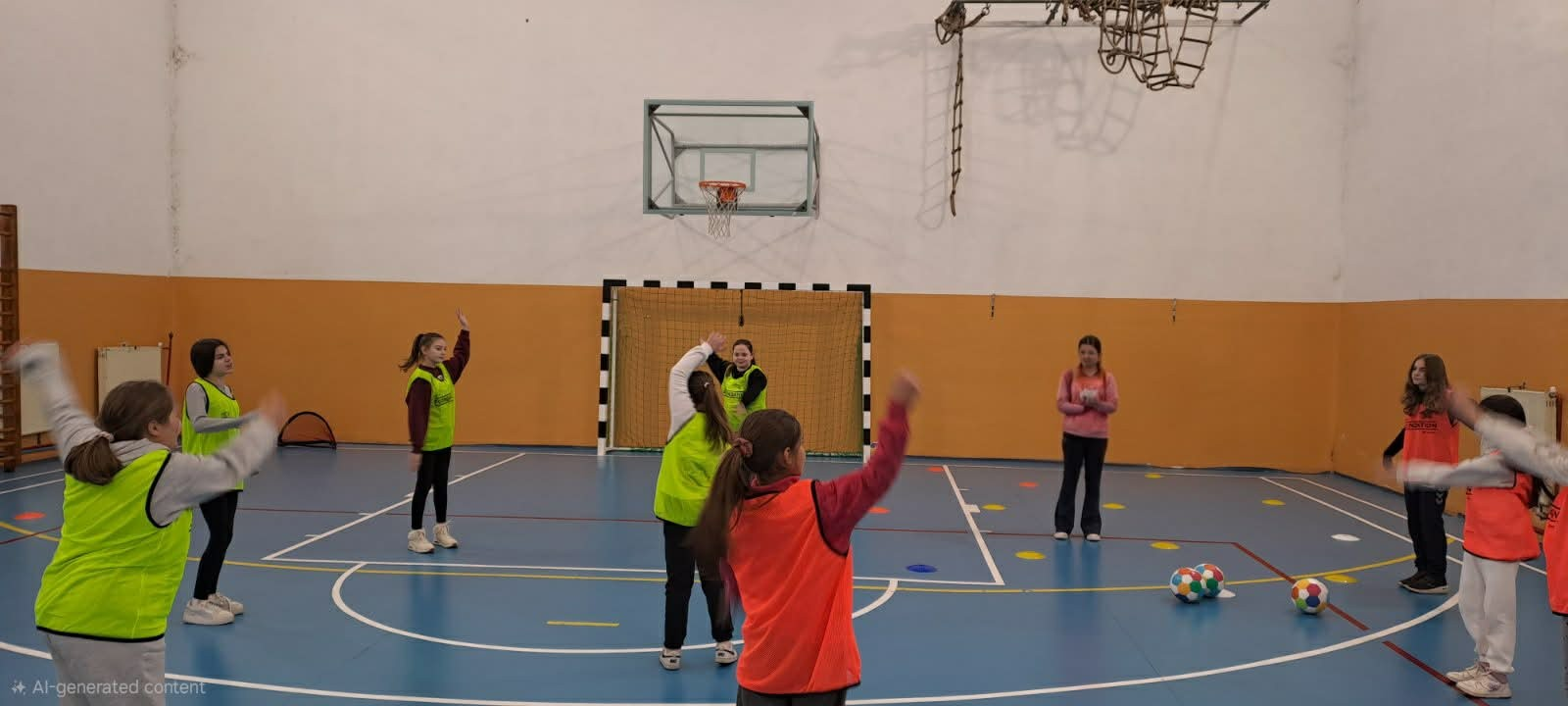
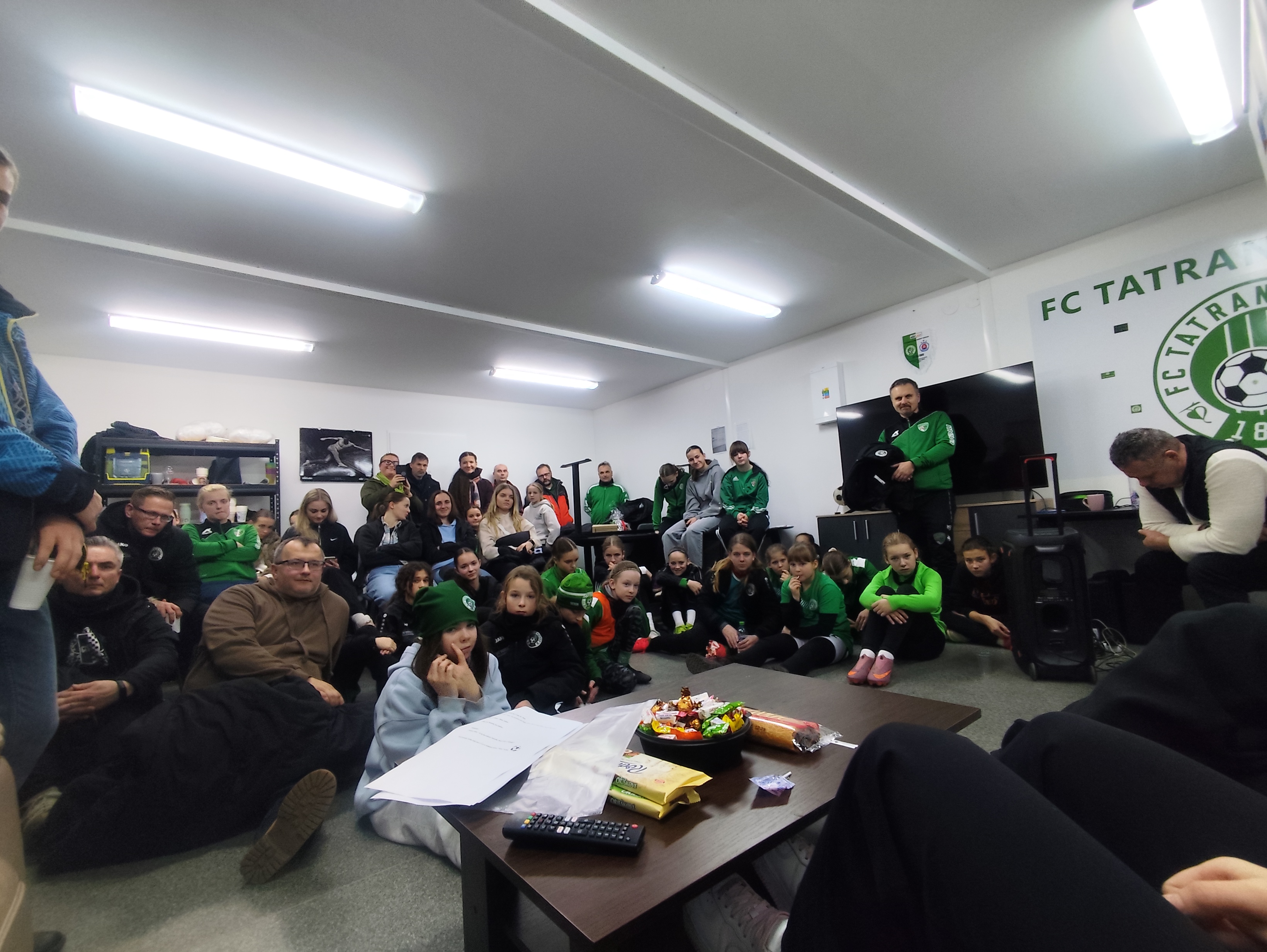
The meeting focused on the development of key soft skills that are essential both in sport and in everyday life. Through guided discussions and practical examples, the participants explored topics such as stress management during training and competition, the ability to deal with mistakes, and effective communication within the team.
Particular attention was given to the concept of error as a learning opportunity. The girls were encouraged to reflect on how mistakes can be managed constructively, helping to build confidence and resilience rather than generating frustration or self-doubt. The session also addressed emotional awareness, supporting the players in recognising and managing their reactions in different game situations.
Another important aspect of the meeting was communication. The sports psychologist provided insights on how to communicate clearly and respectfully with teammates and coaches, highlighting the role of positive interaction in improving both individual performance and team cohesion.
The activity was designed to complement the technical and physical training by strengthening the personal and relational competences of the players. It represents a key element of the project’s broader approach, which promotes sport not only as physical activity but also as a structured educational environment for personal growth.
This session contributed to reinforcing the confidence, self-awareness, and interpersonal skills of the participants, in line with the project’s objective of empowering young girls through football and supporting their development both on and off the pitch.
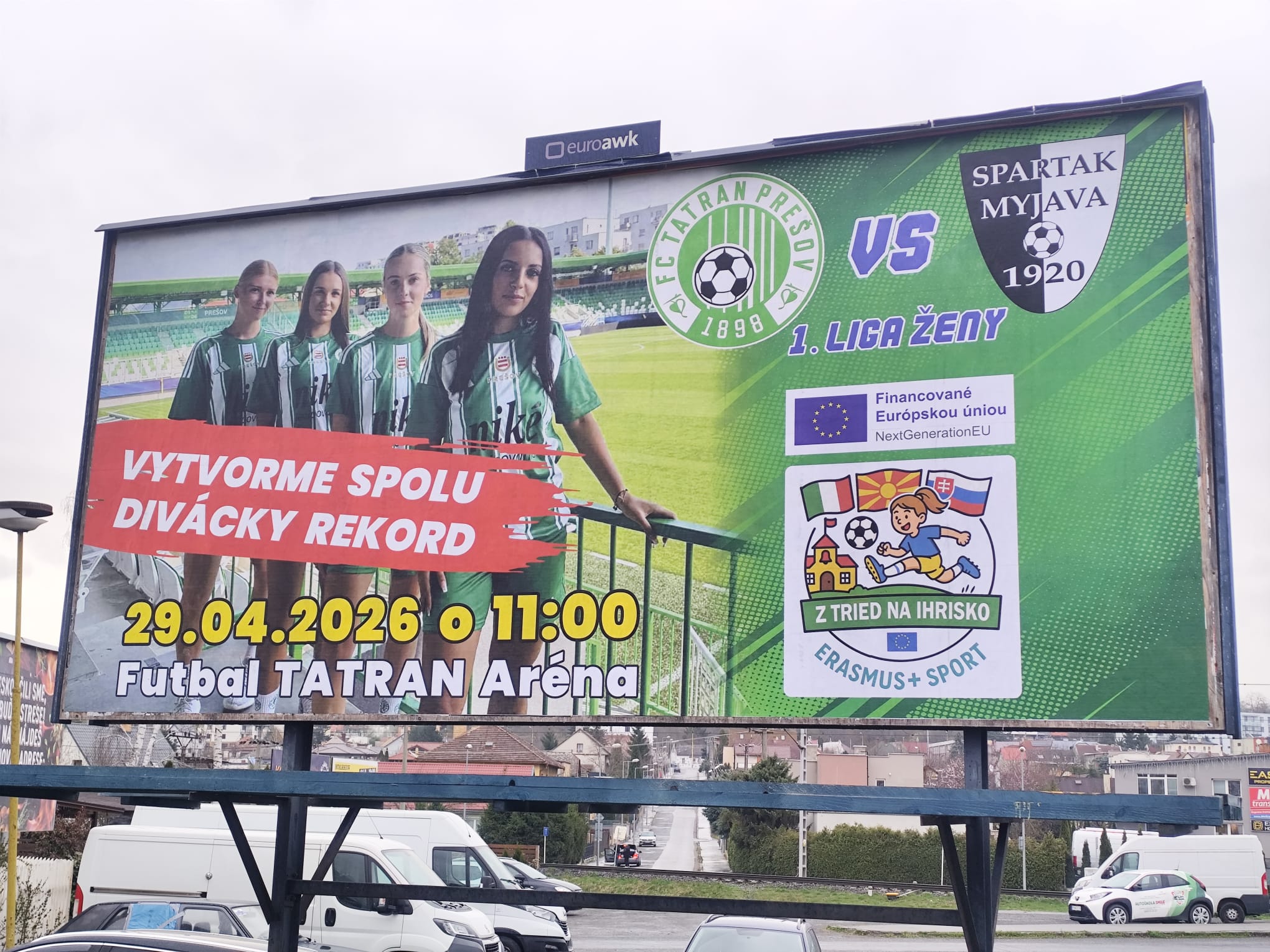
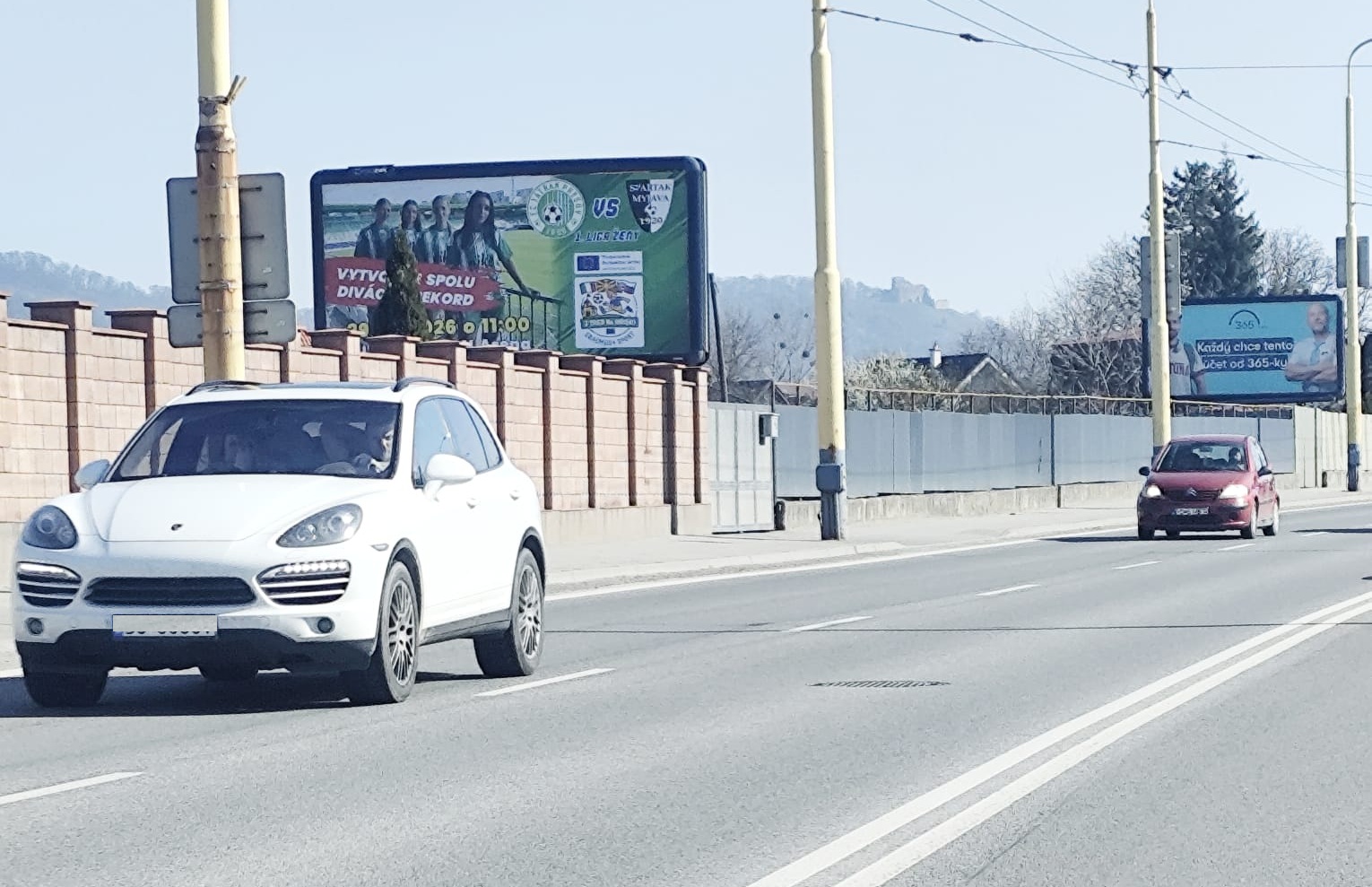
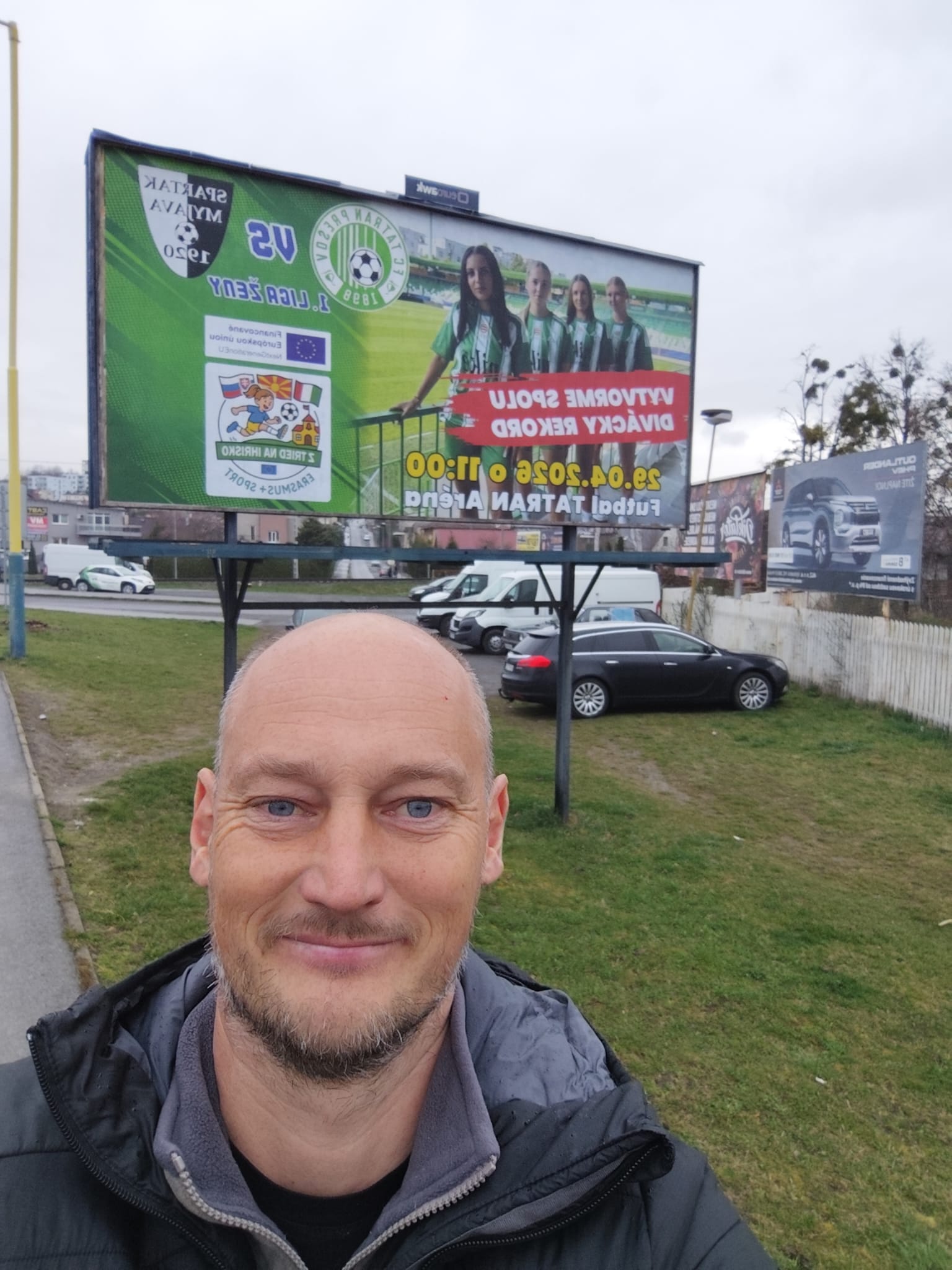
In Prešov, a targeted communication campaign has been launched to promote the women’s football match scheduled for 29 April, organised within the framework of the project “From Classrooms to the Pitch”, co-funded by the Erasmus+ Sport programme of the European Union.
Large-scale advertising billboards have been installed in key locations throughout the city, including main roads and high-traffic areas, ensuring strong visibility and outreach to the local community. This initiative aims to raise awareness of the event and encourage broad public participation.
The match represents one of the central moments of the project and will involve local schools extensively. Students will take part not only as spectators, but as active participants in a wider educational pathway focused on inclusion, gender equality, and engagement in sport.
A key objective of the event is to reach—and potentially surpass—the record attendance for a women’s top-league football match at local level. The visibility campaign, supported by the billboard installations, is therefore part of a broader strategy to strengthen the recognition of women’s football and to promote sport as a tool for education and social development.
The initiative carried out in Prešov reflects the strong commitment of the project partners to implement concrete, high-impact actions at local level, while contributing to the dissemination of European values related to inclusion, equal opportunities, and active participation of young people.
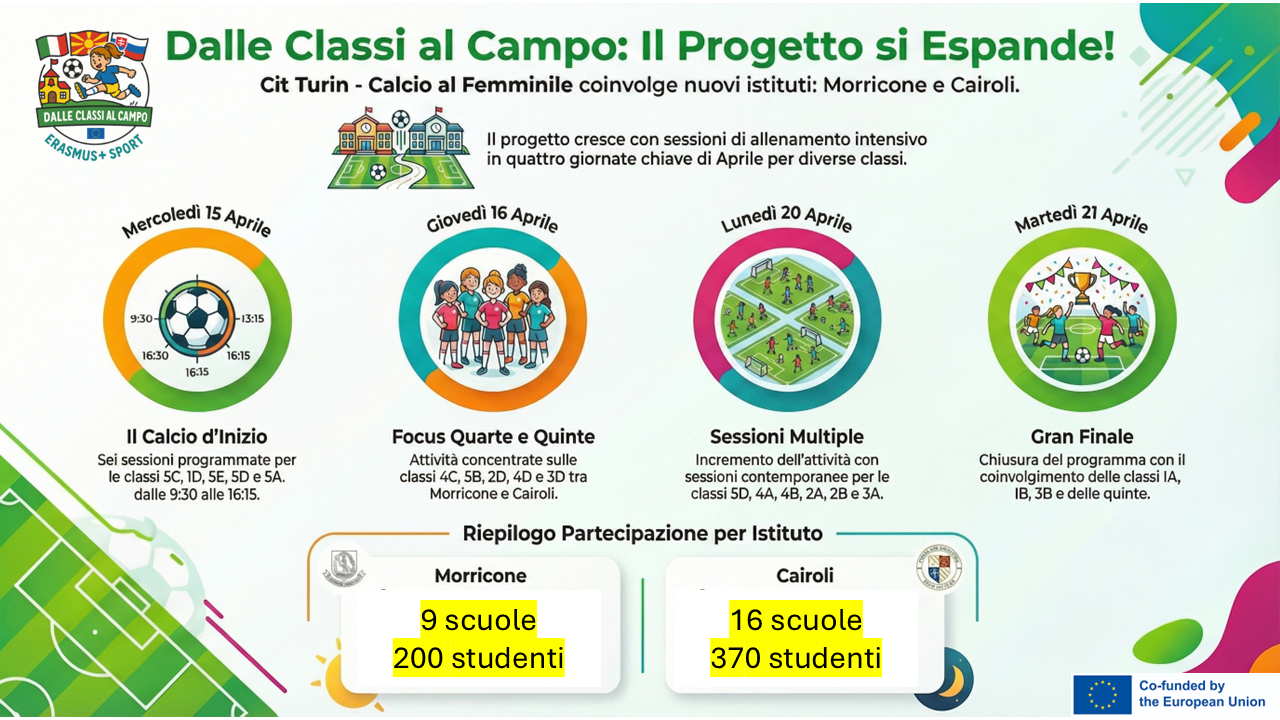
The Erasmus+ Sport project “From Classrooms to the Pitch” continues to expand its reach with the inclusion of two additional schools, further strengthening the connection between education and sport within the local community.
The newly involved schools will contribute a significant number of participants, with one school engaging nine classes and the other bringing sixteen classes into the project activities. This expansion represents an important step in scaling the initiative and increasing its overall impact, bringing the total number of students involved to over 500.
The participation of these schools will allow a wider group of children to take part in structured activities focused on inclusion, gender equality, and the promotion of sport as an educational tool. Through both classroom-based sessions and practical experiences, students will be encouraged to reflect on stereotypes, develop awareness, and actively engage in inclusive sporting environments.
This growth also highlights the strong interest from educational institutions in addressing these themes through innovative and experiential approaches. Schools are increasingly recognising the value of integrating sport into educational pathways, not only as a physical activity but as a means to support social development, cooperation, and respect.
Within the project framework, particular attention is given to creating opportunities for girls to approach football in a positive and accessible way, contributing to a broader effort to reduce gender disparities in sport. By involving entire classes, the initiative ensures that these messages reach all students, promoting a shared understanding of equality and inclusion.
The expansion to over 500 participants marks a relevant milestone in the project’s implementation, confirming the effectiveness of the approach and reinforcing the role of schools as key actors in promoting cultural change through sport.
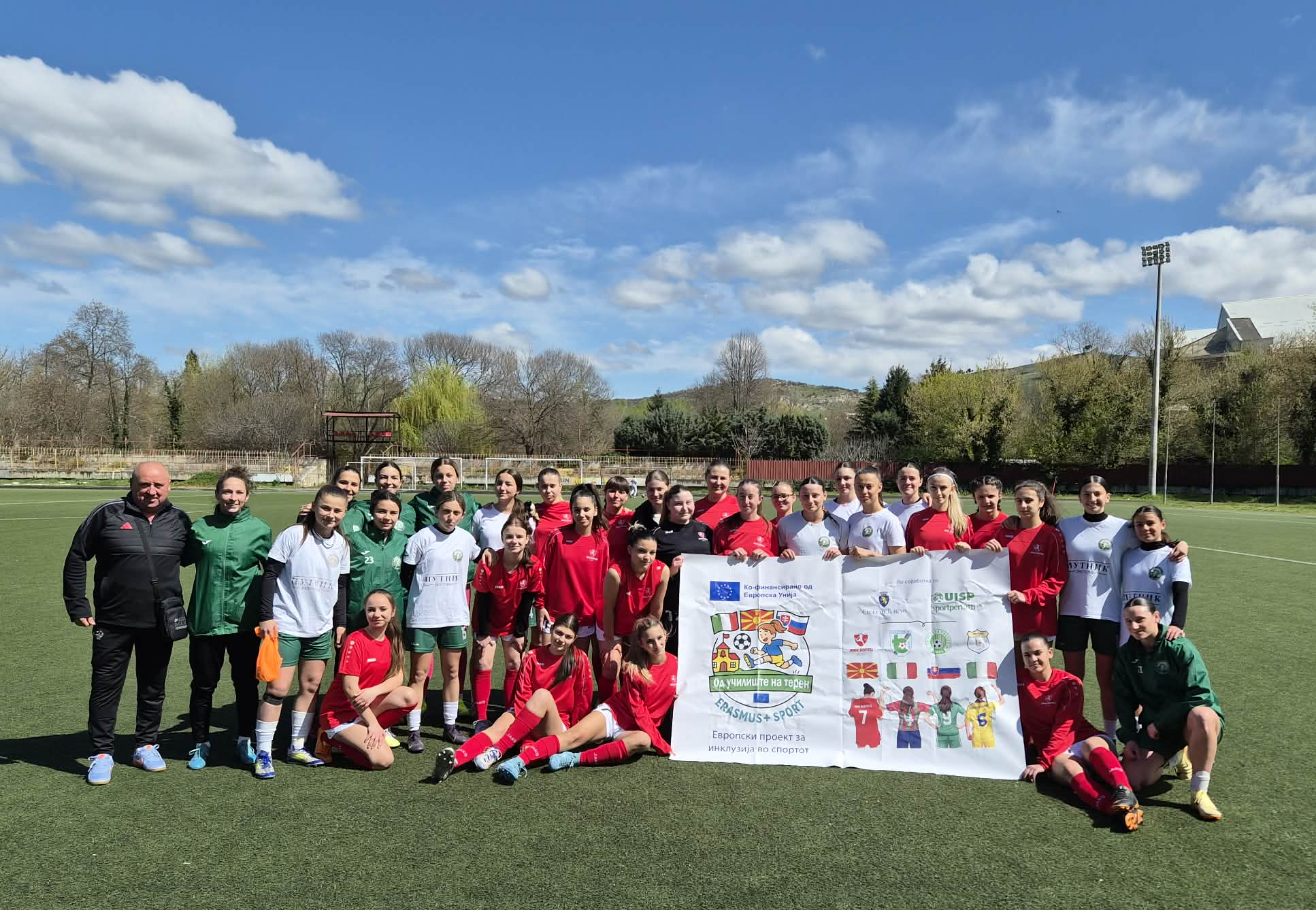
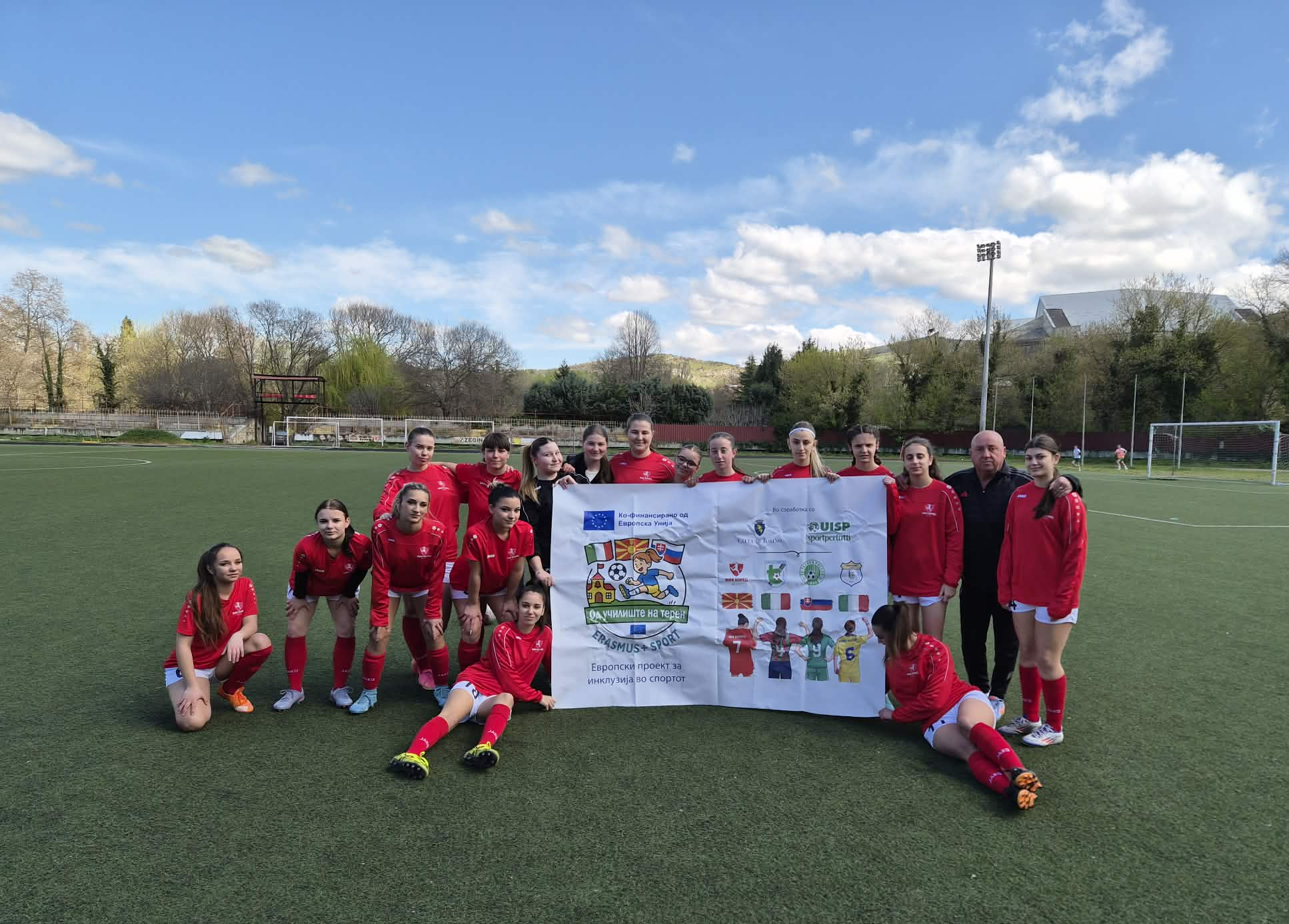
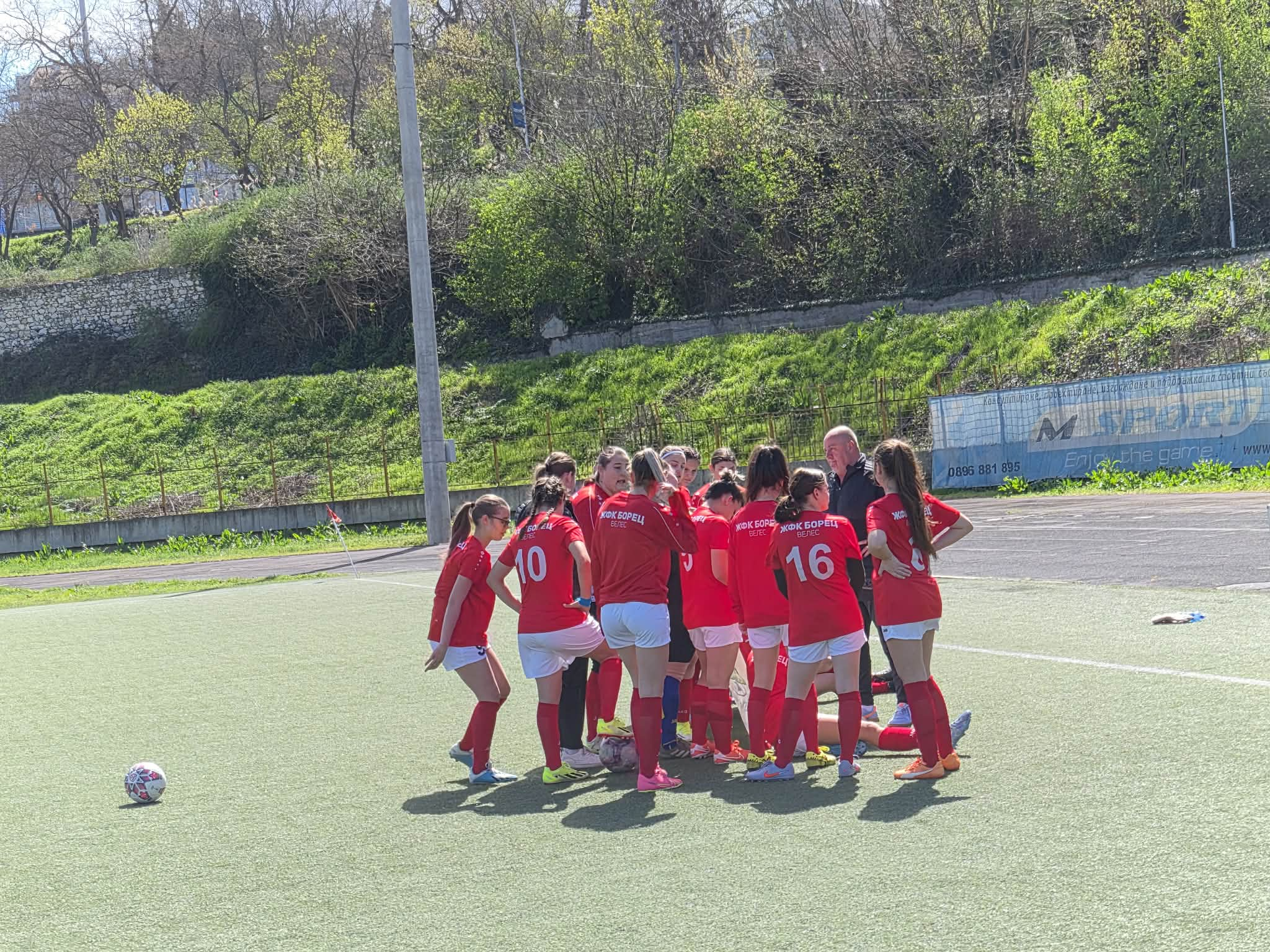
As part of the project activities, a friendly football match was organised at the City Stadium “Zoran Paunov” in Veles, with the aim of promoting teamwork, inclusion, and active participation in sport. The event brought together the local team and a visiting team from Bitola, creating a valuable opportunity for young players to meet, interact, and engage in a shared sporting experience.
The match was played on an outdoor pitch in very favourable weather conditions, which contributed to a positive and dynamic atmosphere throughout the event. Both teams demonstrated a strong commitment to fair play, mutual respect, and sportsmanship, reflecting the educational values underpinning the project.
Beyond the competitive aspect, the activity represented a practical implementation of the project’s objectives. It provided a supportive environment in which young girls could actively participate in football, build confidence, and strengthen interpersonal relationships. The interaction between participants from different locations also encouraged exchange of experiences and fostered a sense of connection and unity.
Overall, the event highlighted the role of sport as an effective tool for inclusion and social development, reinforcing the project’s focus on creating opportunities for engagement and empowerment through football.
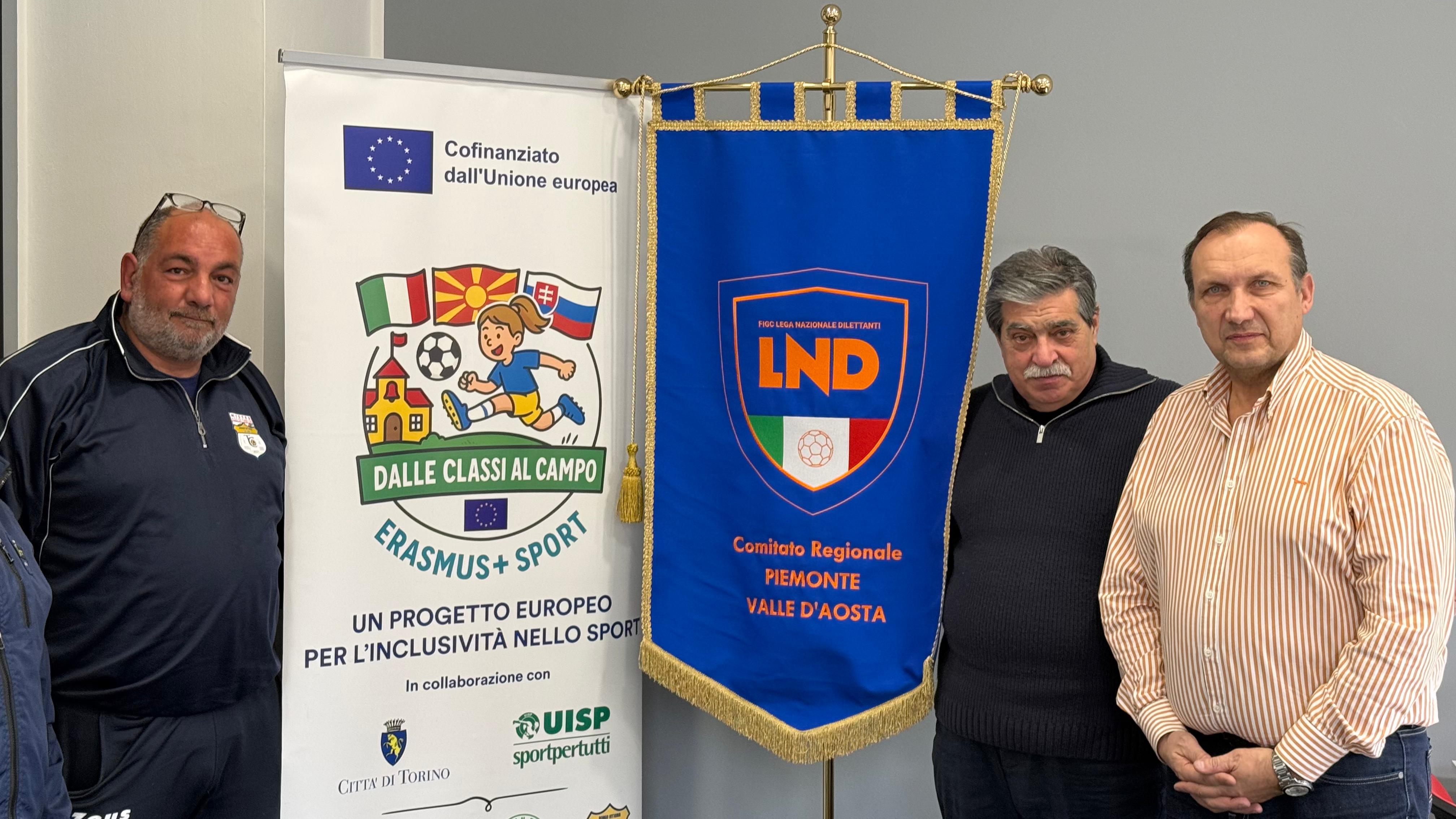
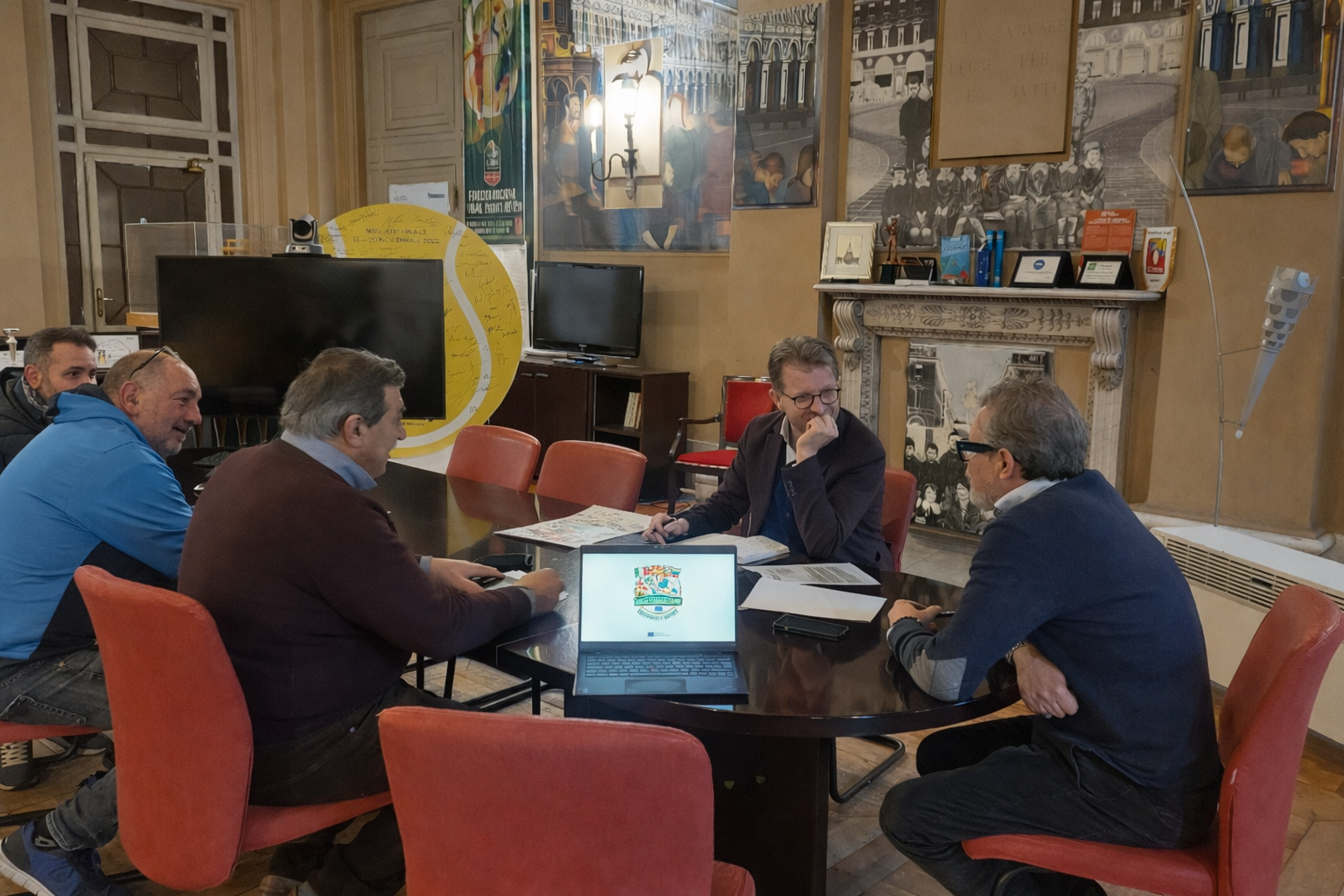
As part of the ongoing implementation of the Erasmus+ Sport project “From Classrooms to the Pitch,” a key institutional meeting was held involving the President of the Regional Committee Piemonte Valle d’Aosta of the National Amateur League (LND), Mauro Foschia, the President of Cit Turin LDE, Angelo Frau, and members of the Cit Turin management team.
The meeting represented an important step in consolidating the institutional framework of the project, with the objective of defining forms of collaboration and identifying concrete areas of support from the LND. Within the context of an initiative that aims to promote gender equality through sport and strengthen the connection between schools and football clubs, the involvement of a governing body such as the LND is particularly relevant.
The discussion focused on how the LND can contribute to the development and dissemination of project activities, ensuring alignment with regional football structures and enhancing the potential impact of the initiative. In particular, attention was given to the role of grassroots football in creating inclusive environments and facilitating access to sport for young participants, especially girls.
The presence of the LND also reinforces the project’s capacity to operate within an established sporting framework, enabling greater coordination with local clubs and providing additional legitimacy to the actions implemented. This institutional support is expected to play a significant role in expanding participation, improving visibility, and ensuring the sustainability of the project’s outcomes beyond its initial duration.
From the perspective of the Cit Turin LDE, the meeting provided an opportunity to present the project’s objectives, methodology, and expected results, highlighting how the initiative aligns with broader priorities related to inclusion, youth development, and equal opportunities in sport. The exchange of perspectives allowed for a constructive dialogue on how to integrate the project within the regional sports ecosystem.
More broadly, this collaboration reflects a shared commitment to promoting women’s football and to using sport as a tool for education and social development. By establishing a structured relationship between the project consortium and the LND, the initiative strengthens its strategic positioning and enhances its capacity to generate long-term impact at both local and regional levels.
The meeting therefore marks an important milestone in the project’s implementation, confirming the relevance of institutional partnerships in achieving systemic change and reinforcing the role of cooperation between educational and sports stakeholders.
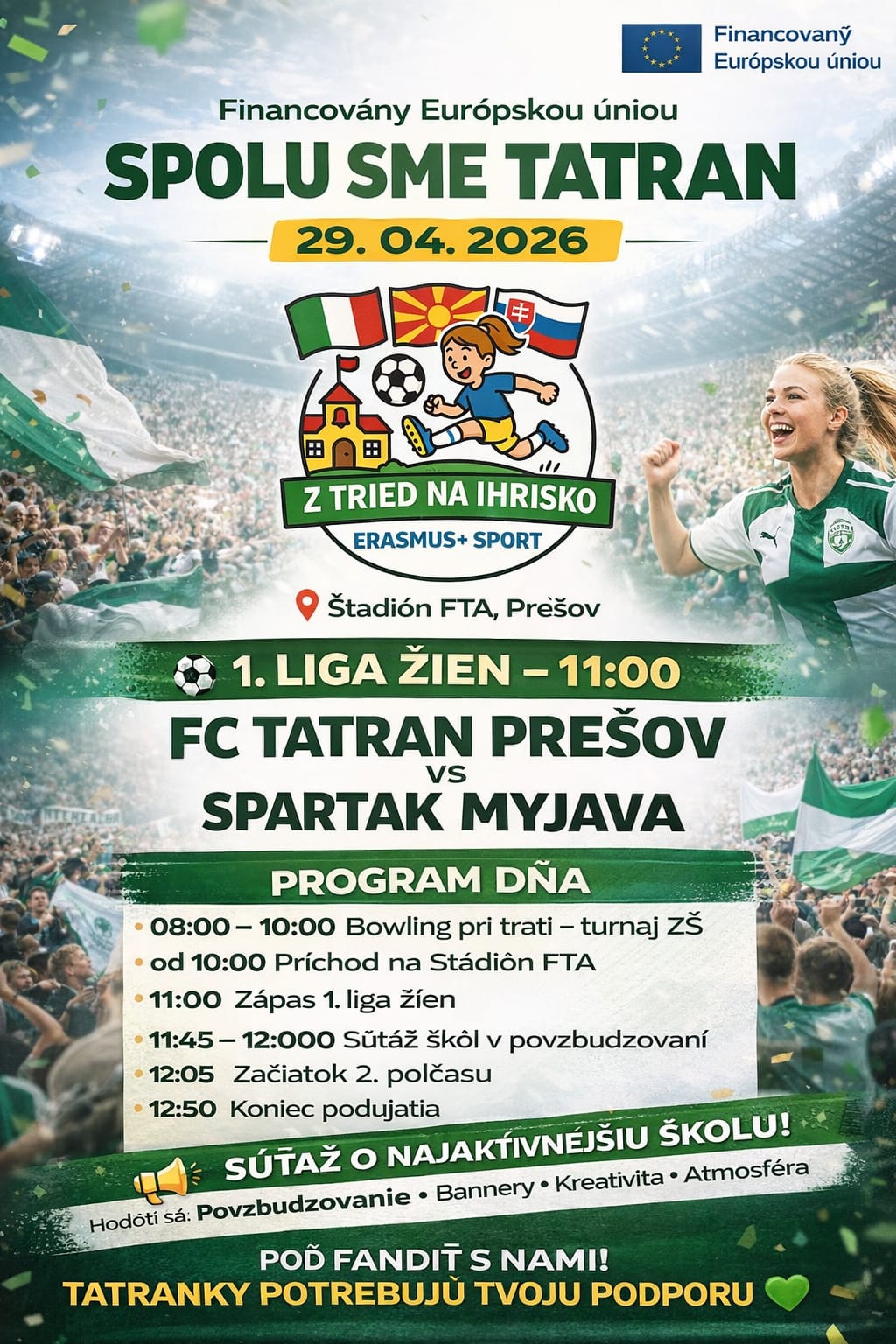
On April 29, 2026, the city of Prešov will host a major event that brings together sport, education, and community engagement within the framework of the Erasmus+ Sport project “From Classrooms to the Pitch.” The initiative, organised in collaboration with FC Tatran Prešov, represents a concrete step toward strengthening the connection between schools and sport while promoting gender equality through football.
At the centre of the event is the Slovak Women’s First League match between FC Tatran Prešov and Spartak Myjava. However, the significance of the day goes beyond the competition itself. The organisers have set an ambitious and clearly defined objective: to achieve the highest attendance ever recorded for a women’s football match in Slovakia. This goal is not only symbolic, but also strategic, as it seeks to increase the visibility of women’s football, encourage broader public engagement, and contribute to changing perceptions that still associate football predominantly with men.
A distinctive element of the initiative is the active involvement of schools. Students are not simply spectators, but participants in an educational and collective experience designed to connect classroom learning with real-life contexts. By bringing large groups of young people into the stadium, the project creates an opportunity to experience women’s sport in a direct and meaningful way, reinforcing messages related to inclusion, participation, and equal opportunities.
The event also includes a dedicated component aimed at stimulating creativity and group identity among students, with schools encouraged to actively support the teams and contribute to the overall atmosphere. This aspect further strengthens the educational dimension of the initiative, fostering collaboration, expression, and a sense of belonging.
More broadly, the event reflects the core principles of the Erasmus+ project, which focuses on empowering girls through sport, promoting inclusive environments, and building sustainable links between educational institutions and sports organisations. By positioning women’s football at the centre of a large-scale community event, the initiative contributes to normalising female participation in sport and enhancing its social recognition.
Ultimately, the day in Prešov is intended as a collective experience, where students, teachers, families, and the wider community come together around a shared objective. Reaching a national attendance record would represent not only a milestone for Slovak women’s football, but also a tangible demonstration of how coordinated action between schools and sport can generate impact both on and off the field.
Within the framework of the Girls' League in Erasmus+ Sport project “From Classrooms to the Pitch | Women’s Football: Educate & Engage, Empower & Inspire”, Cit Turin and Borgo Vittoria have launched a new educational pathway dedicated to their young female athletes, focused on self-awareness and personal safety.
Developed in collaboration with UISP – Discipline Orientali and led by instructor Angela Monetti, the initiative complements on-field training by placing attention on personal development, emotional awareness and responsible behaviour. The approach is educational and preventive, aimed at strengthening confidence, autonomy and the ability to manage situations of potential risk in a balanced and non-violent way.
The first session took place on 26 March at Cit Turin and involved the U15 category. This initial meeting, lasting four hours, was designed as a comprehensive and immersive experience, and will be replicated with the other age groups in the coming weeks.
During the session, participants worked on several key aspects. The first part focused on self-awareness, recognising instincts and understanding personal boundaries, with particular attention to communication and the ability to express oneself clearly and assertively. The second part introduced practical elements of personal safety, including the management of fear, body control and simple techniques to protect oneself and disengage safely when necessary.
Throughout the activities, emphasis was placed on prevention, reading situations, managing distance and using posture and communication to reduce potential conflict. Physical techniques were presented in a controlled and responsible way, always framed within the concept of self-defence as protection rather than aggression.
A dedicated focus was also given to the ethical dimension, reinforcing the importance of proportionality, respect and responsibility in any reaction, as well as awareness of available support systems and resources.
This pathway is part of the Girls’ League, a set of activities designed to offer young athletes 360-degree development opportunities, integrating sport and education while supporting the acquisition of essential life skills both on and off the field.
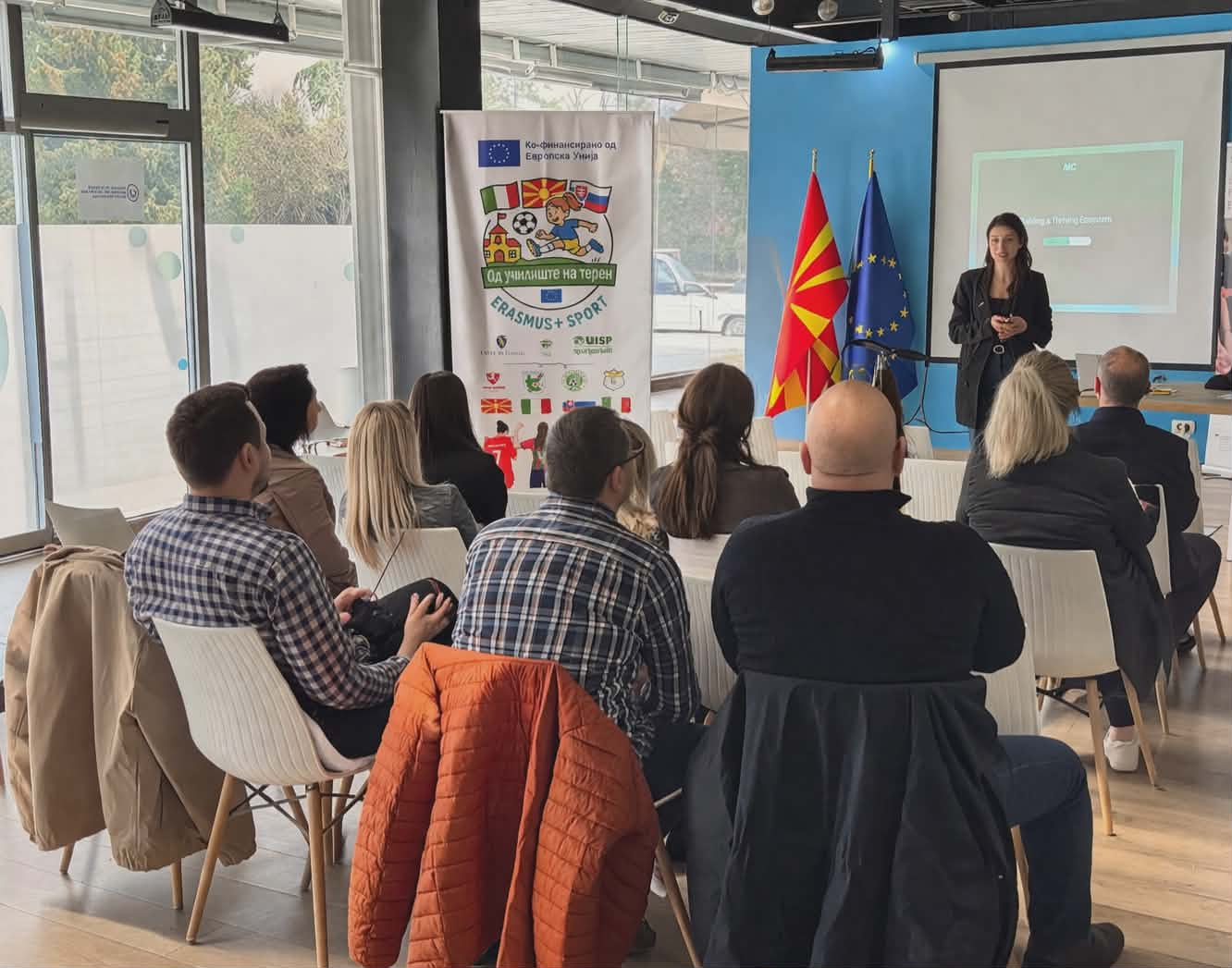
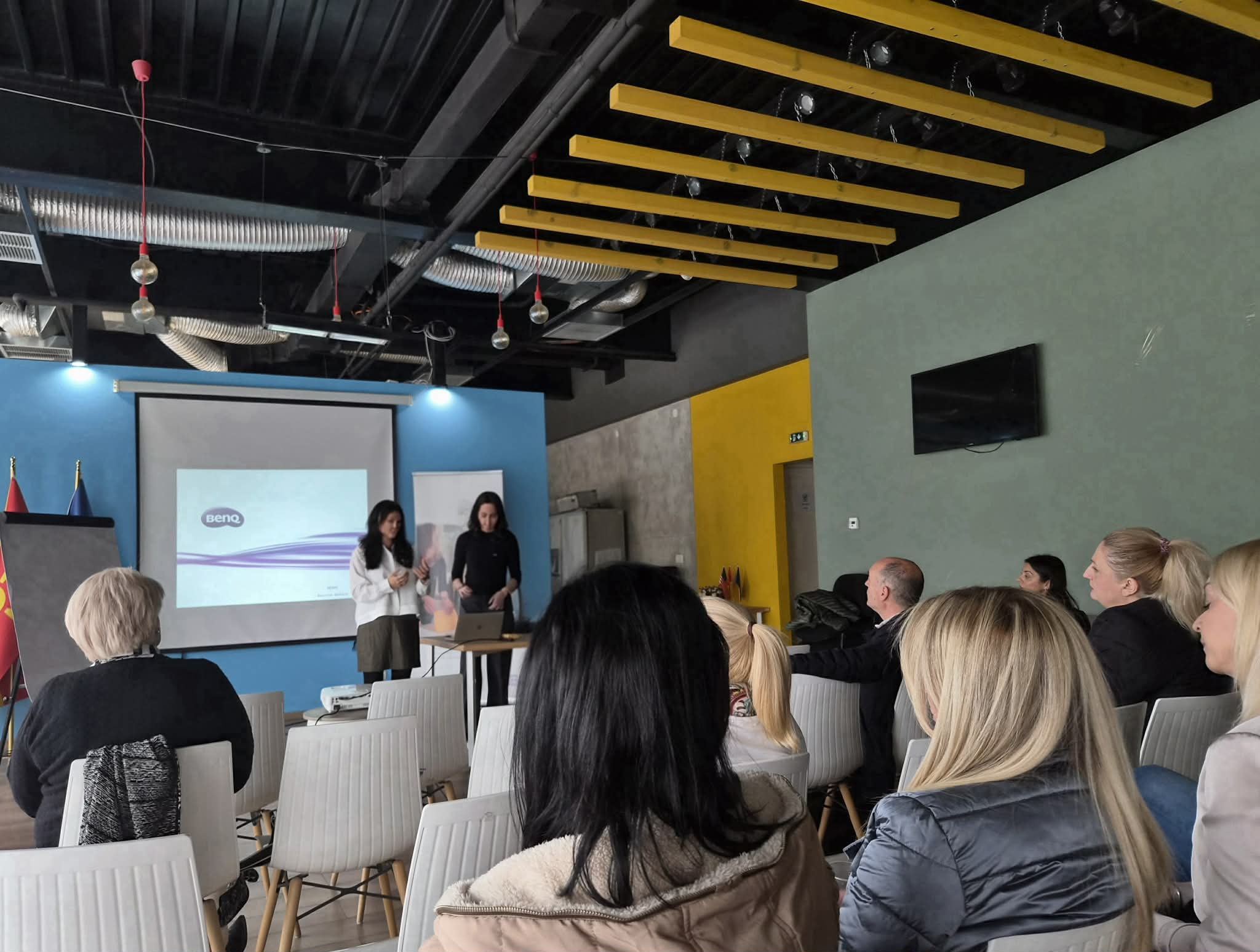
The “Active Together” workshop was organized as part of the project’s dissemination activities, with the objective of promoting the importance of sport for all and reinforcing the strategic link between schools and sports clubs in fostering youth development and healthy lifestyles. The workshop was facilitated by Prof. Rizova.
The event brought together sports professionals (coaches, coordinators, and club representatives) and teachers, creating a shared space for exchange of experiences and dissemination of good practices derived from their daily work.
In the first part of the workshop, theoretical presentations and discussions focused on key dissemination themes, including: the importance of physical activity for children and young people, the complementary role of schools and sports clubs in promoting inclusive and healthy lifestyles, the challenges in engaging students in regular sports participation, opportunities for structured cooperation and joint initiatives between educational and sports sectors.
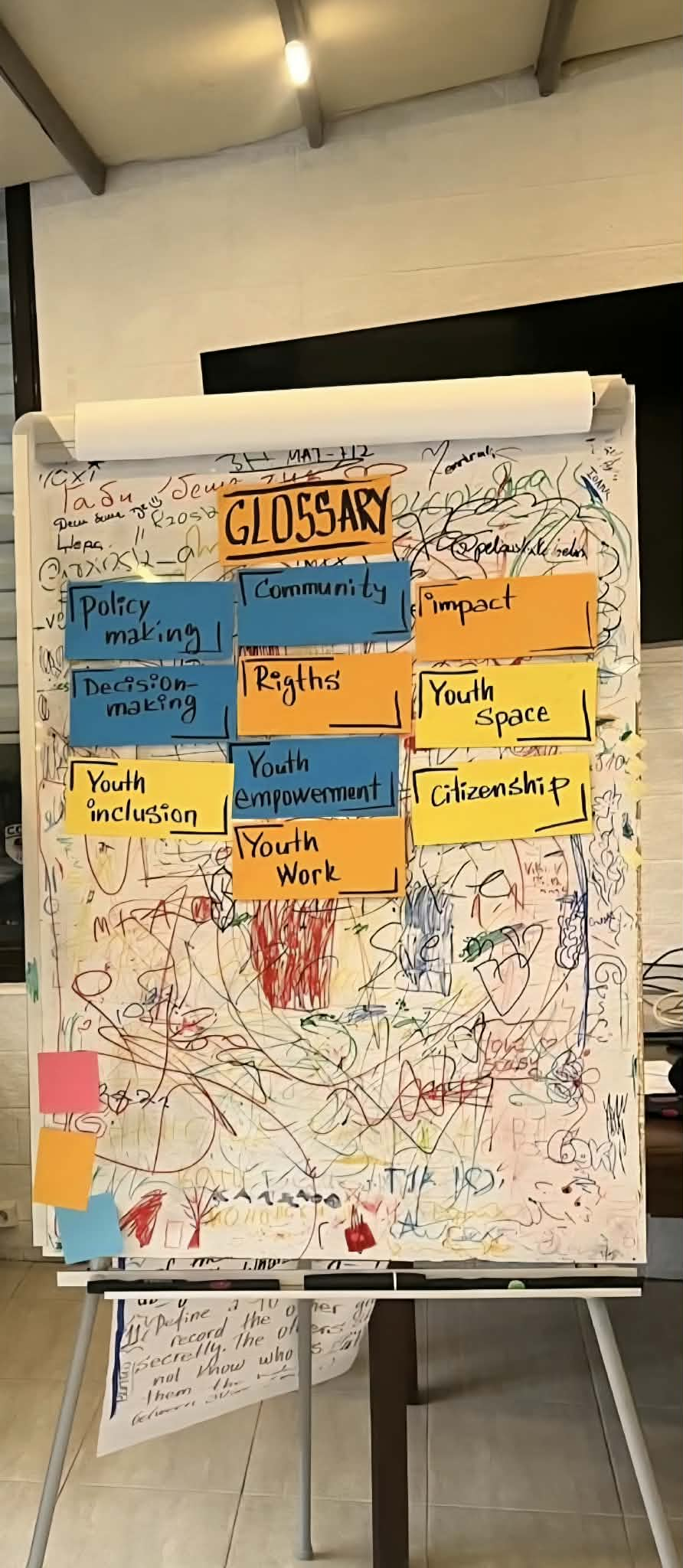
In the second part, participants worked in groups to: analyze real-life situations from their professional practice, propose concrete models of collaboration between schools and sports clubs, develop ideas for joint activities (such as sports events, training sessions and educational workshops), identify strategies to increase motivation and participation among young people.
The workshop concluded with a practical session demonstrating examples of activities that effectively integrate educational and sports approaches, further supporting the dissemination of transferable practices.
Overall, the workshop highlighted that continuous and structured collaboration between teachers and sports professionals is a key factor in promoting sport as a tool for inclusion and well-being, and in facilitating the transition of students from the school environment to active participation in sports clubs.
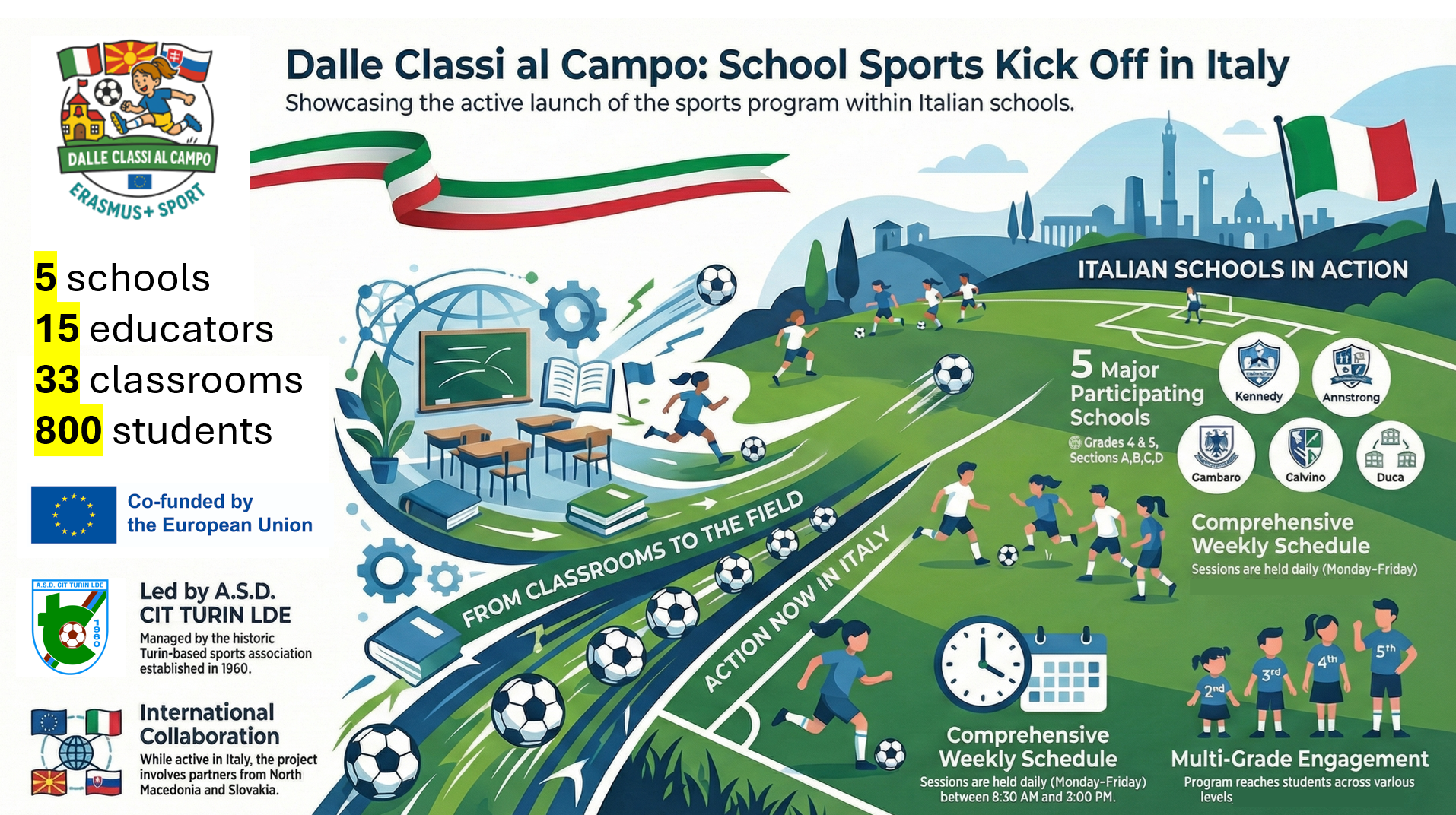
school-based activities aimed at engaging students through sport has officially started in Turin on 16 March and will continue until the end of the school year.
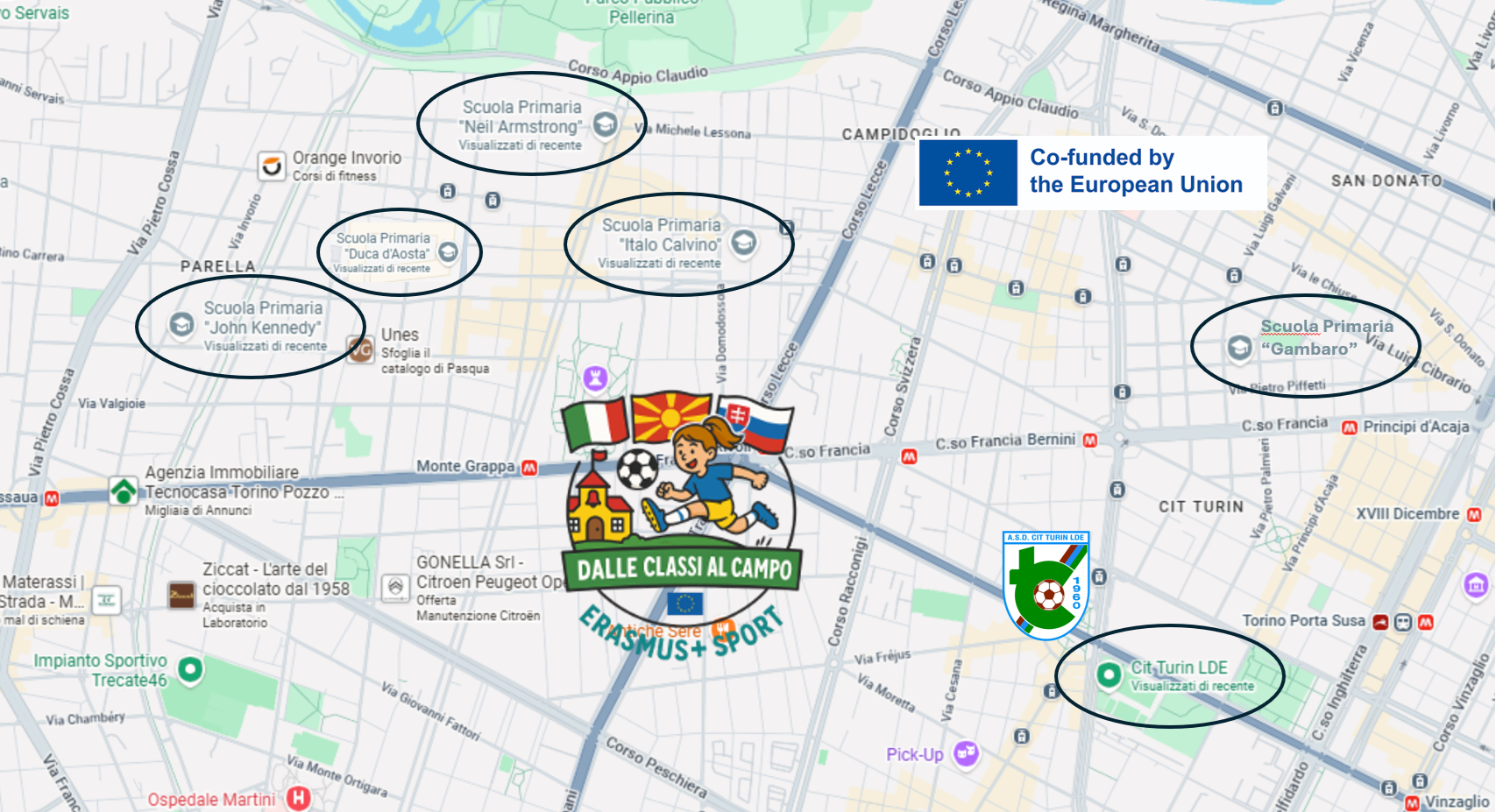
Prior to the launch, the initiative was presented to several primary schools within the Cit Turin district. All the schools involved—Kennedy, Gambaro, Calvino, Armstrong and Duca—immediately expressed strong interest and decided to take part, clearly recognising the educational and social value of the topic. The positive response from teachers and school staff confirmed the relevance of promoting gender equality and inclusion through sport from an early age.
The programme currently involves 33 classes and approximately 800 students, with activities taking place during regular school hours, from Monday to Friday, between 8:30 AM and 3:00 PM. The sessions are delivered directly within the school context, ensuring full participation and integration with the educational environment.
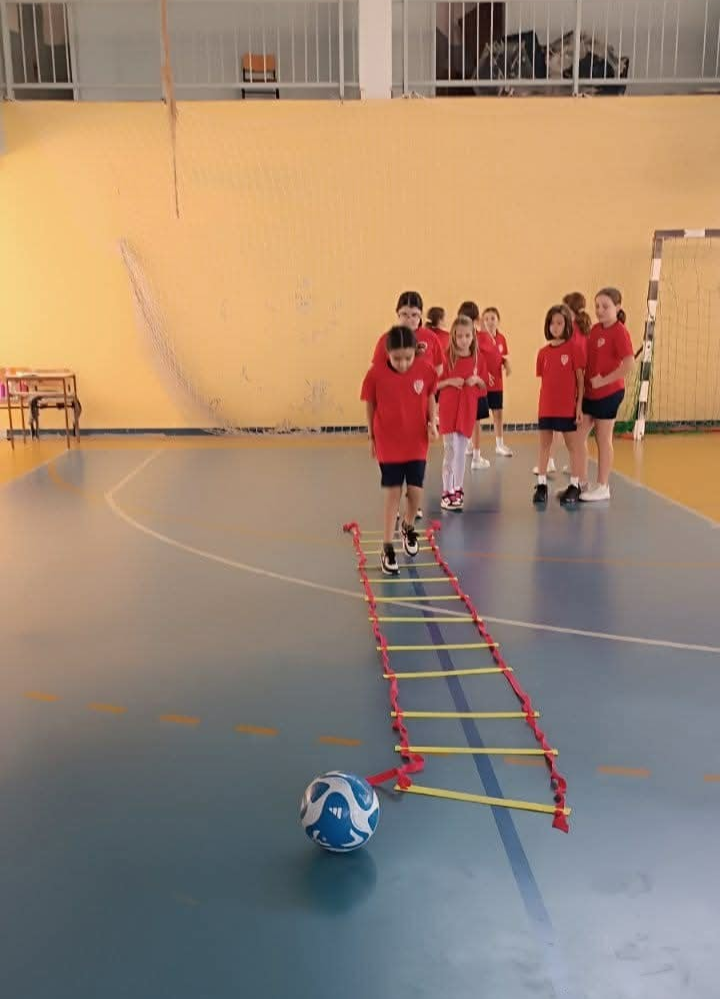
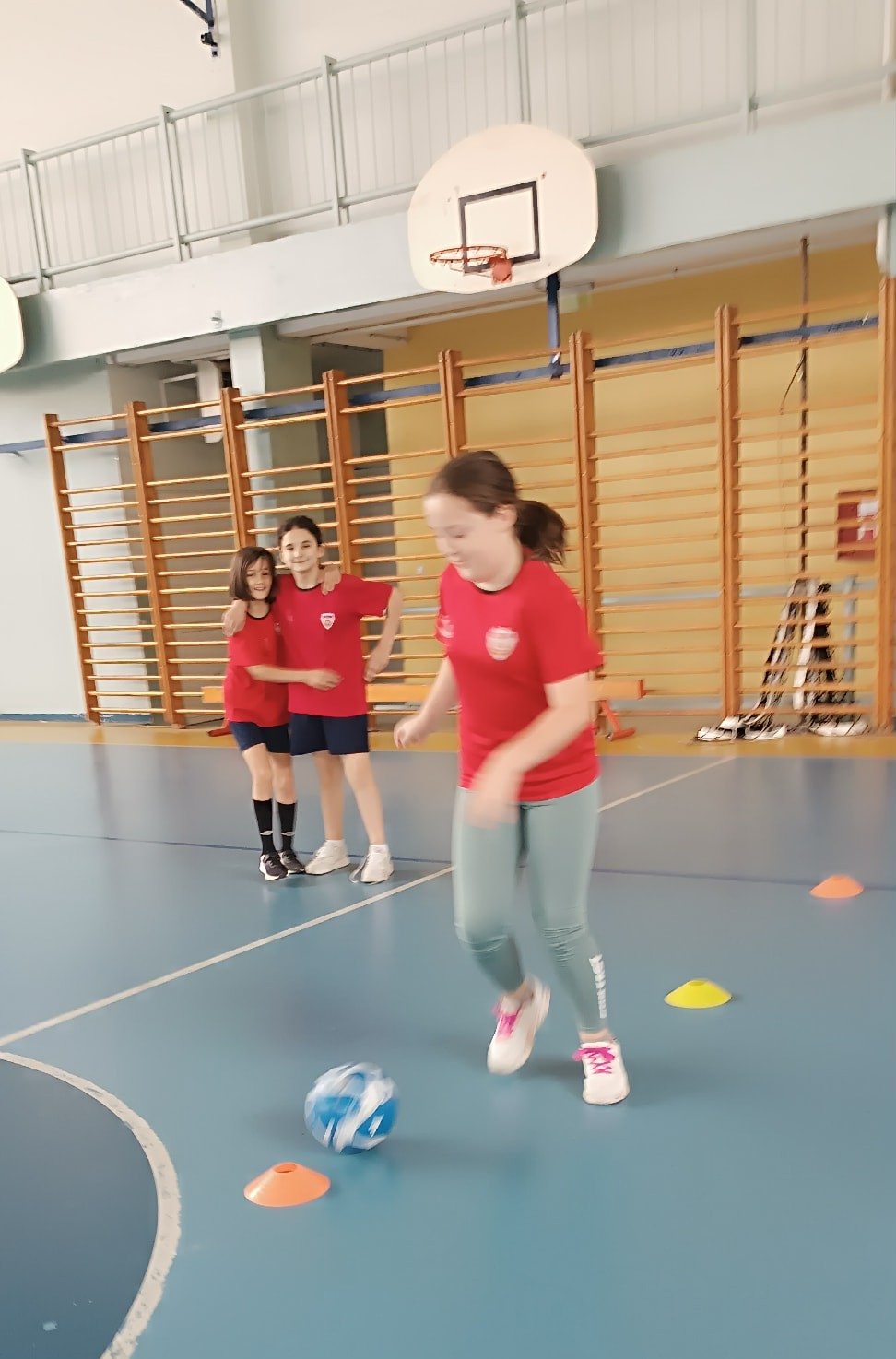
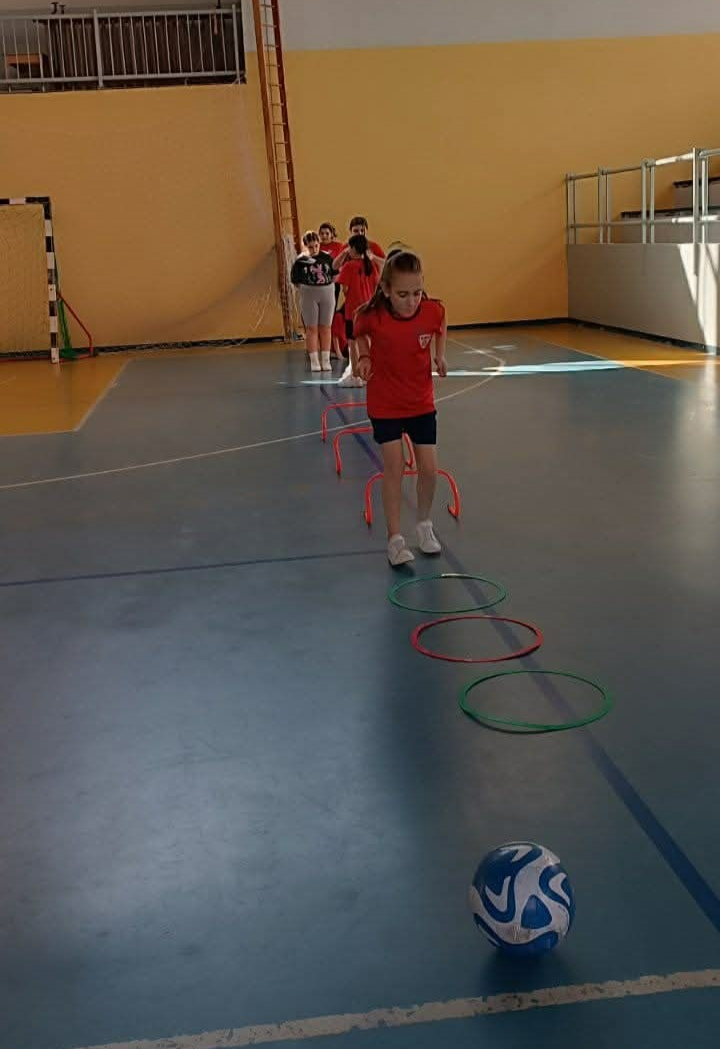
The activities are designed as an introduction to football, with a specific focus on women’s football, and are structured to actively involve entire classes, including both girls and boys. The aim is to encourage equal participation, challenge gender stereotypes, and promote a more inclusive vision of sport. Through practical sessions, students are guided in developing basic motor skills, teamwork and confidence, while experiencing football as a shared and accessible activity.
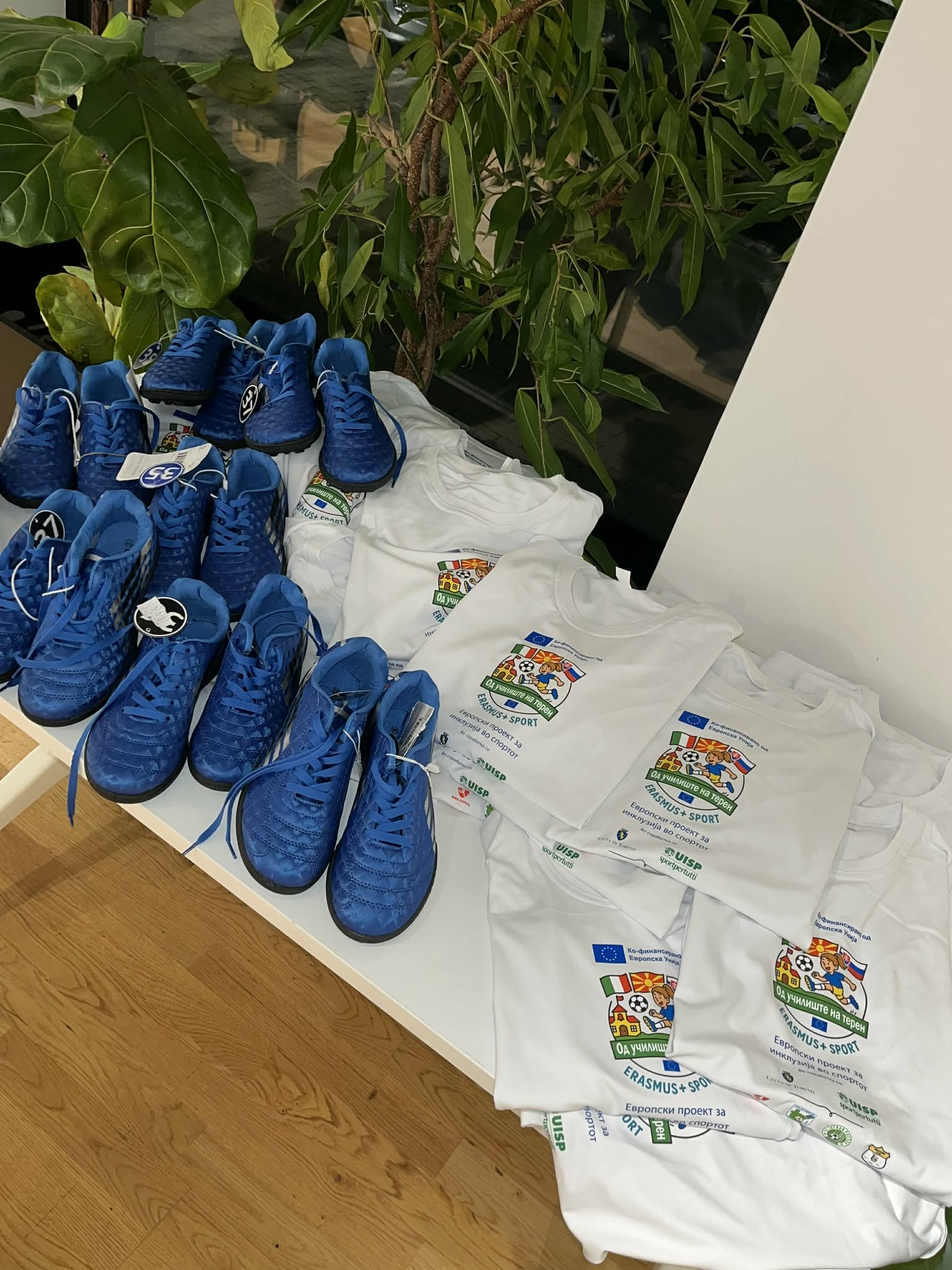
All sessions are conducted with the support of qualified coaches from A.S.D. Cit Turin LDE, who work in close collaboration with teachers to ensure a safe, engaging and educational experience. In addition to the sports activities, students will receive footballs and T-shirts, reinforcing their involvement and leaving a tangible trace of the experience.
To further strengthen the connection between schools and the local sports environment, informational materials about upcoming open days at the Cit Turin facilities will also be distributed, offering students and families the opportunity to continue their engagement beyond the school setting.
This initiative represents a concrete implementation of the “Educate and Engage” pillar of the project, translating its objectives into direct action within schools. By integrating football into the daily educational environment, the programme goes beyond physical activity and becomes a structured tool to address key themes such as gender equality, inclusion and social awareness from an early age.
Through the active involvement of teachers, students and sports professionals, schools are positioned as central environments for shaping attitudes and behaviours. The activities are designed not only to introduce football as a sport, but also to stimulate reflection, encourage participation without barriers and promote a culture where girls and boys experience sport on equal terms.
In this context, football becomes a vehicle for education, supporting the development of soft skills such as teamwork, respect, self-confidence and cooperation. At the same time, it contributes to challenging existing stereotypes and creating a more inclusive perception of sport within the school community.
By combining educational and practical components, the initiative reinforces the role of schools as key actors in fostering long-term cultural change, in line with the broader objectives of the Erasmus+ Sport programme.
On March 11, two dedicated mental skills training sessions were held with a sports psychologist for the benefit of parents, educators and staff of Cit Turin, as part of the Erasmus+ Sport project From Classroom to the Pitch. The initiative aimed to strengthen the educational environment surrounding young female athletes by providing practical tools to support their psychological development, motivation and wellbeing.
The day was structured into two complementary sessions, each tailored to a specific target group.
The first session was addressed to parents, with a focus on their crucial role in supporting their daughters’ sporting journey. The discussion explored how family attitudes, communication styles and expectations can influence young athletes’ confidence, enjoyment and long-term engagement in sport. Particular attention was given to managing pressure, encouraging autonomy and helping girls deal with challenges such as mistakes, competition anxiety and performance expectations. Parents were guided toward adopting a supportive and constructive approach, aimed at fostering resilience, self-esteem and a positive relationship with sport.
The second session involved educators, coaches and club staff, focusing on the creation of a positive and development-oriented sporting environment. The sports psychologist addressed key topics such as motivation, group dynamics, effective communication and the management of emotions within the team. Emphasis was placed on the role of coaches not only as technical instructors, but also as educators capable of influencing the personal growth of young athletes.
Practical examples and real-life situations were discussed in both sessions, allowing participants to reflect on their own behaviours and approaches. Interactive moments encouraged dialogue and exchange of experiences, helping to identify common challenges and possible strategies to address them.
A shared focus of both sessions was the importance of alignment between family and coaching staff, in order to provide girls with a coherent, supportive and empowering environment. This synergy was highlighted as a key factor in promoting confidence, motivation and long-term participation in women’s football.
Overall, the initiative contributed to strengthening the competencies of all adults involved in the girls’ sporting pathway, reinforcing the idea that psychological support, alongside technical training, is essential for the development of young athletes. The sessions provided concrete tools and insights that will be integrated into the ongoing activities of Cit Turin, supporting the broader objectives of the project: empowering girls, promoting inclusion and encouraging their transition from the classroom to the pitch.
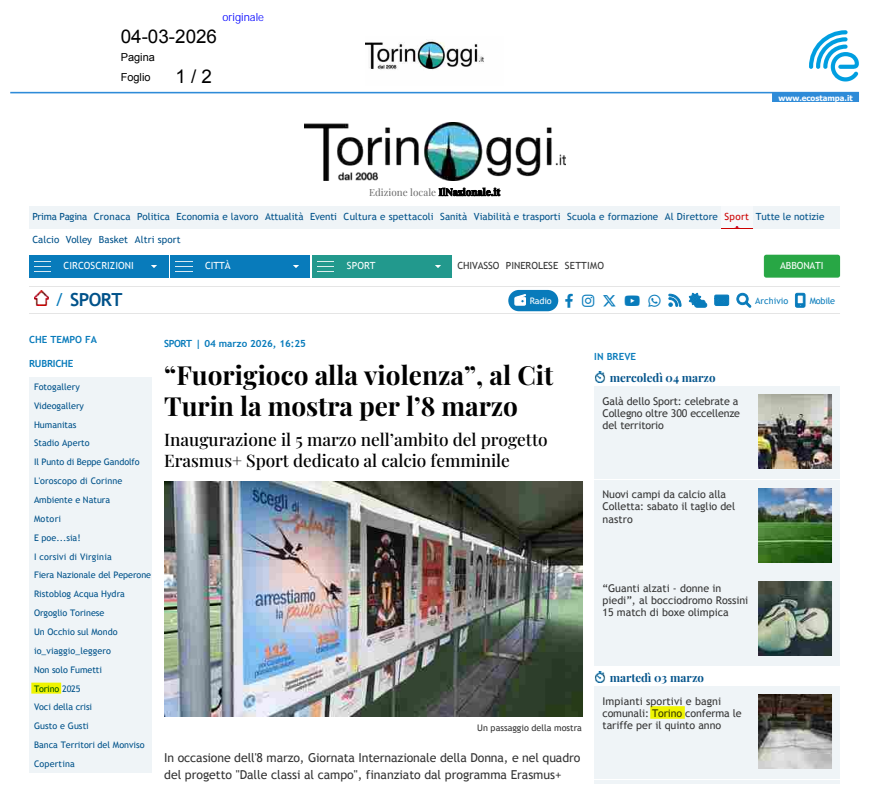
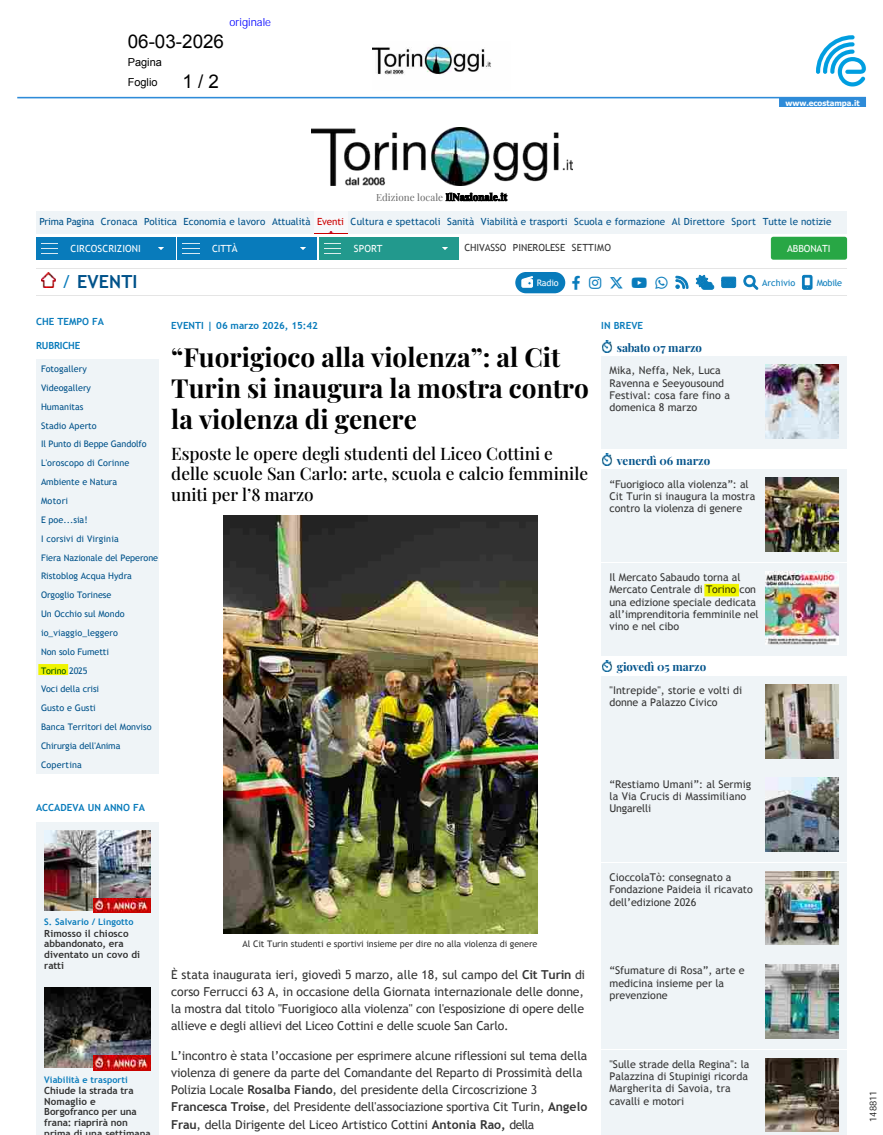
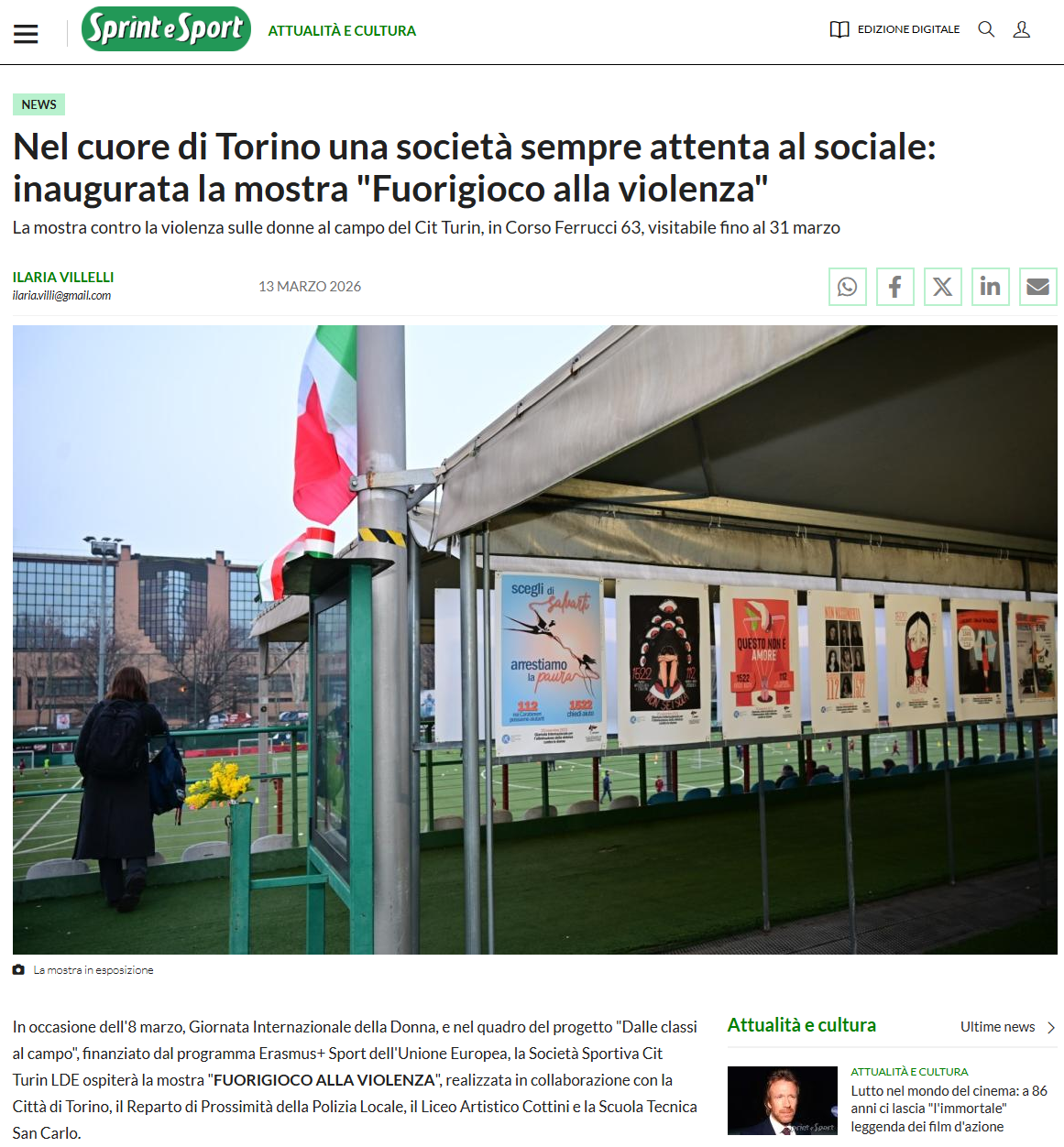
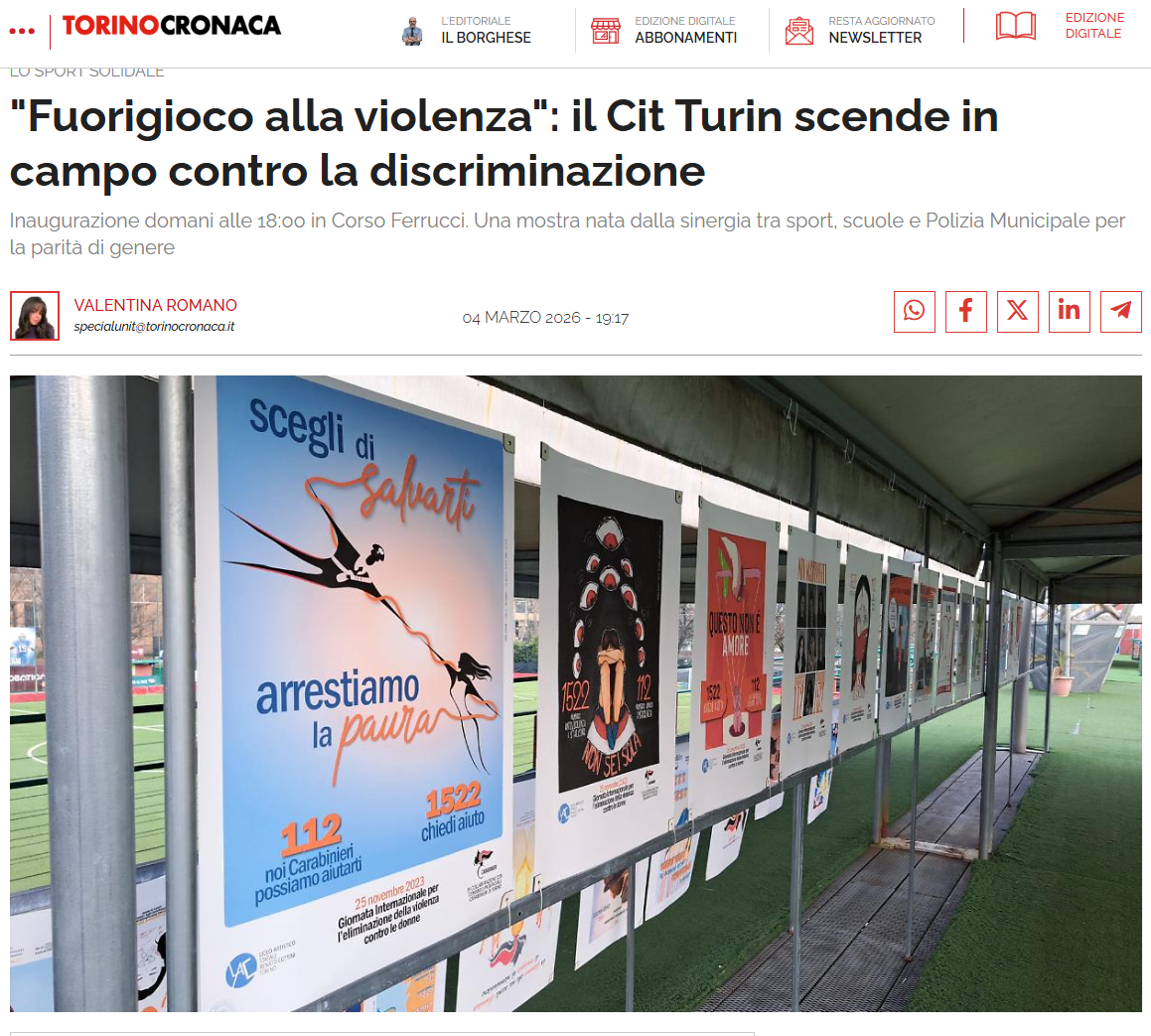
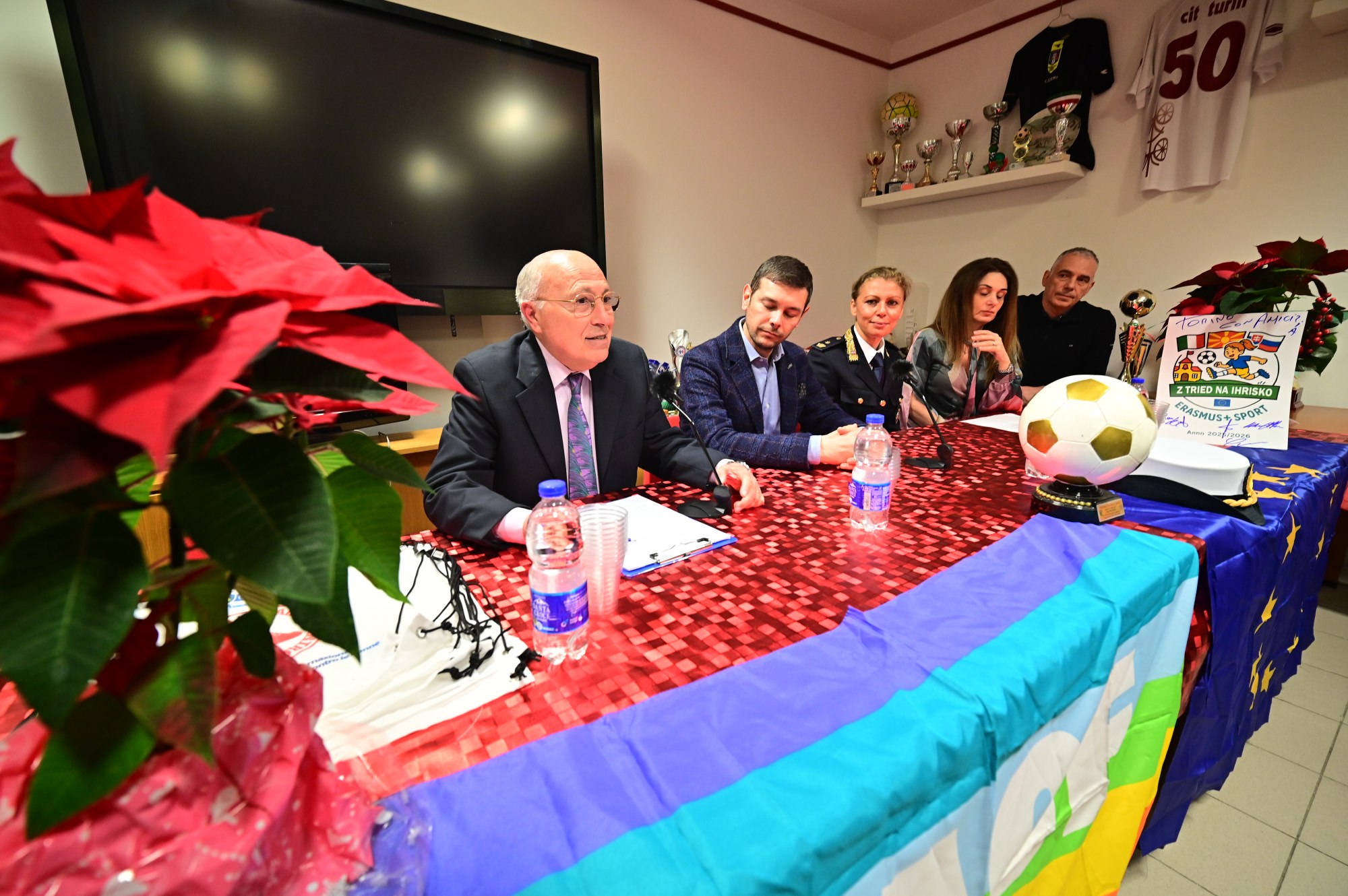
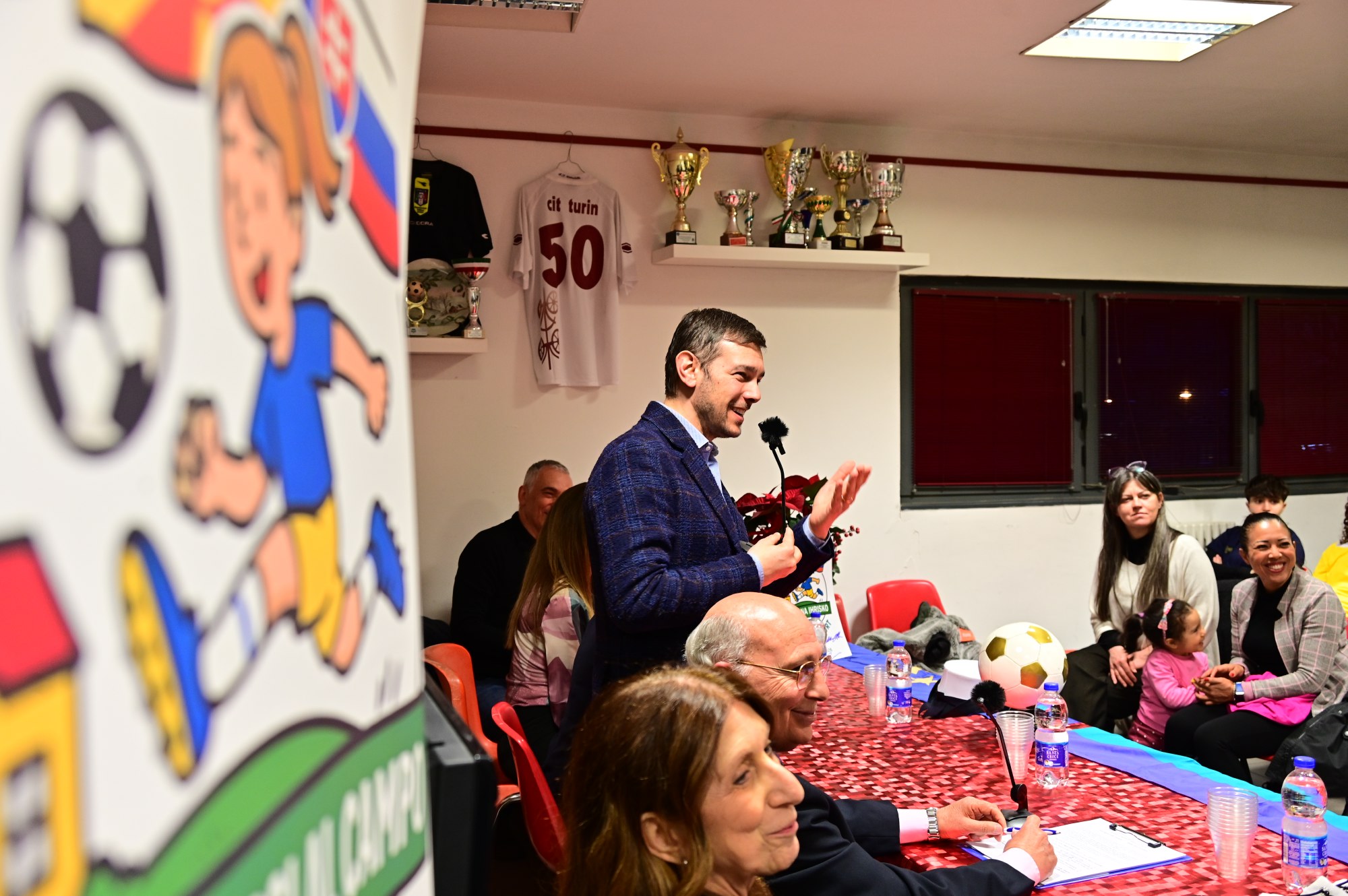
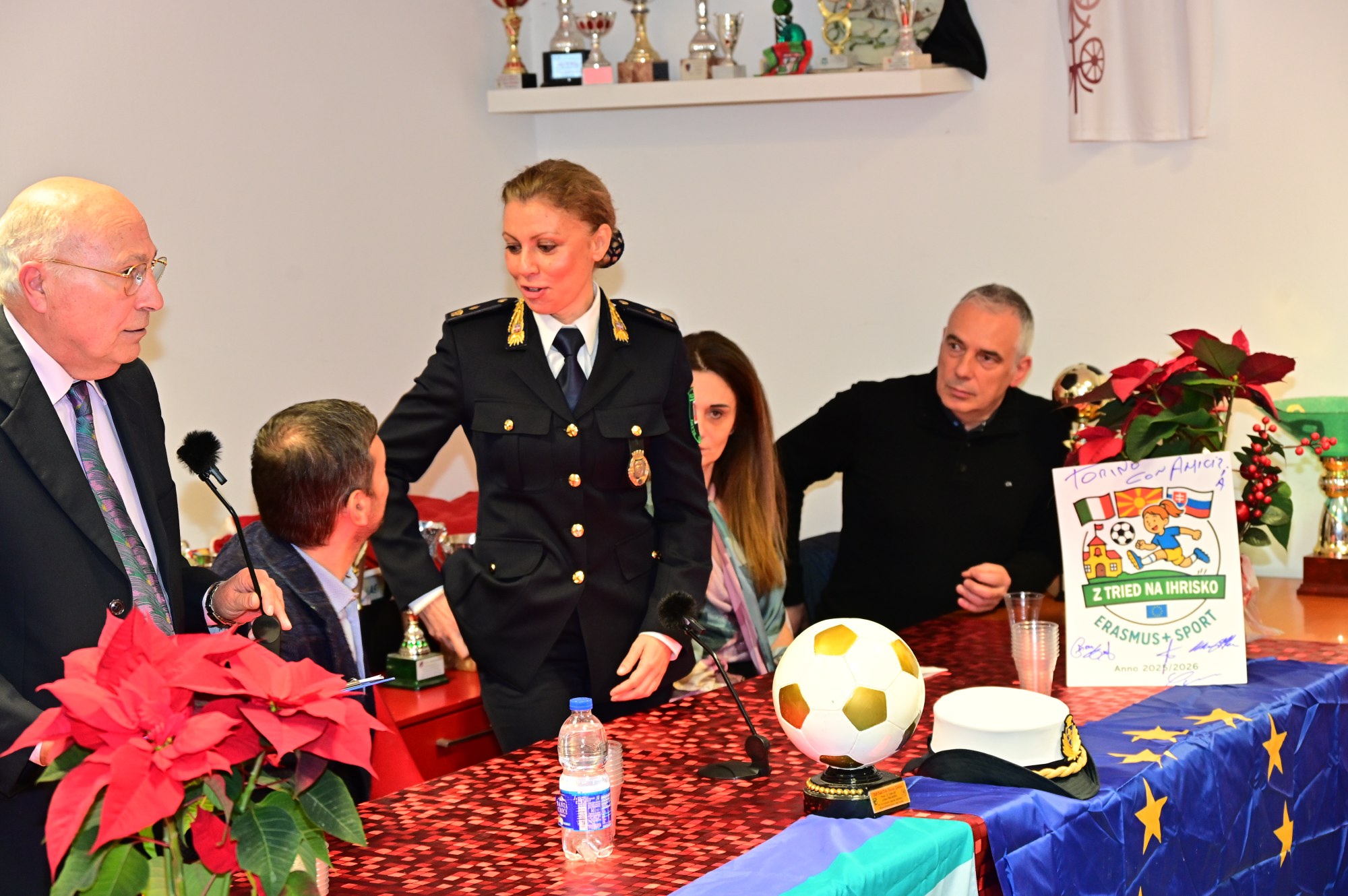
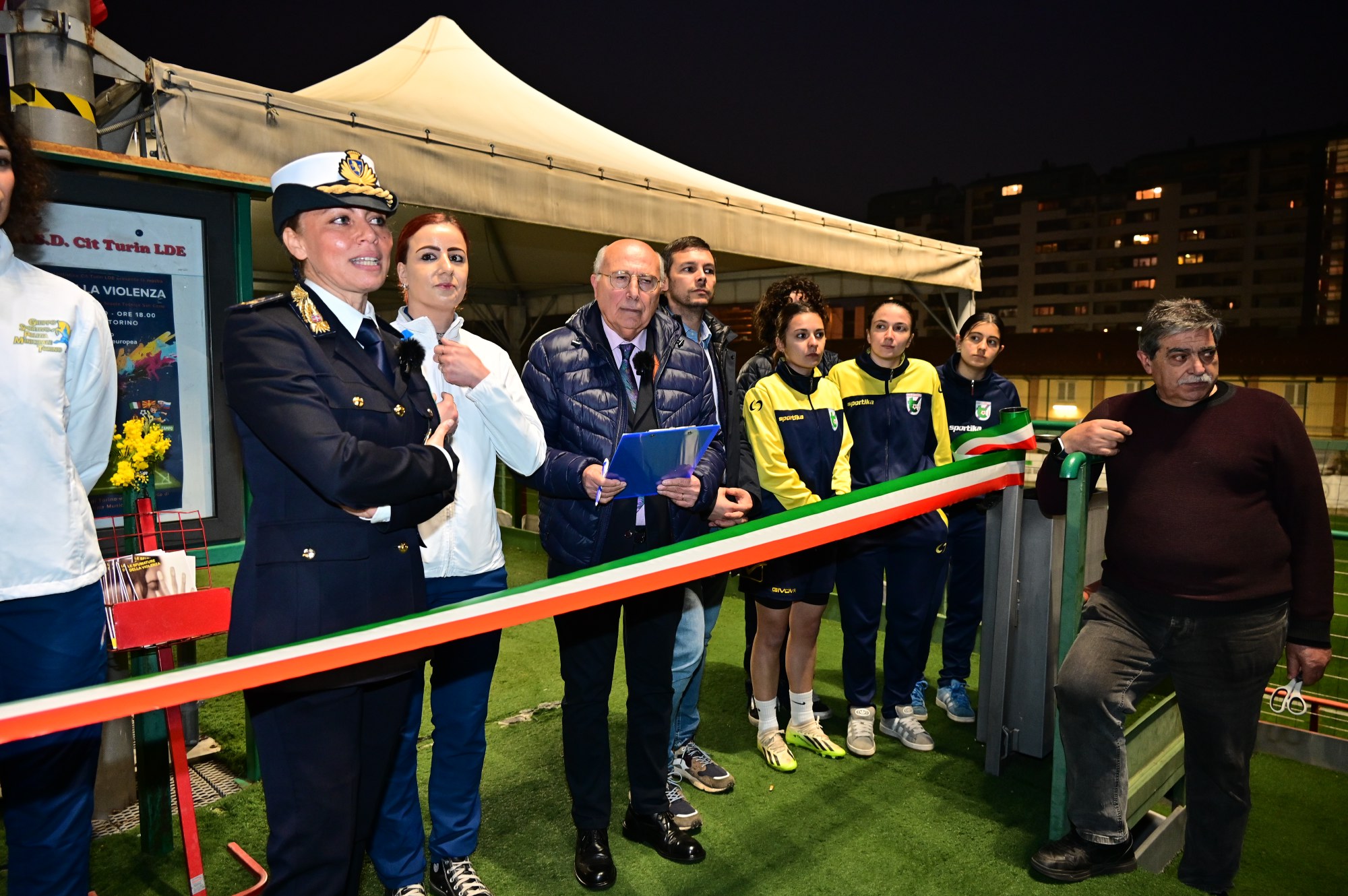
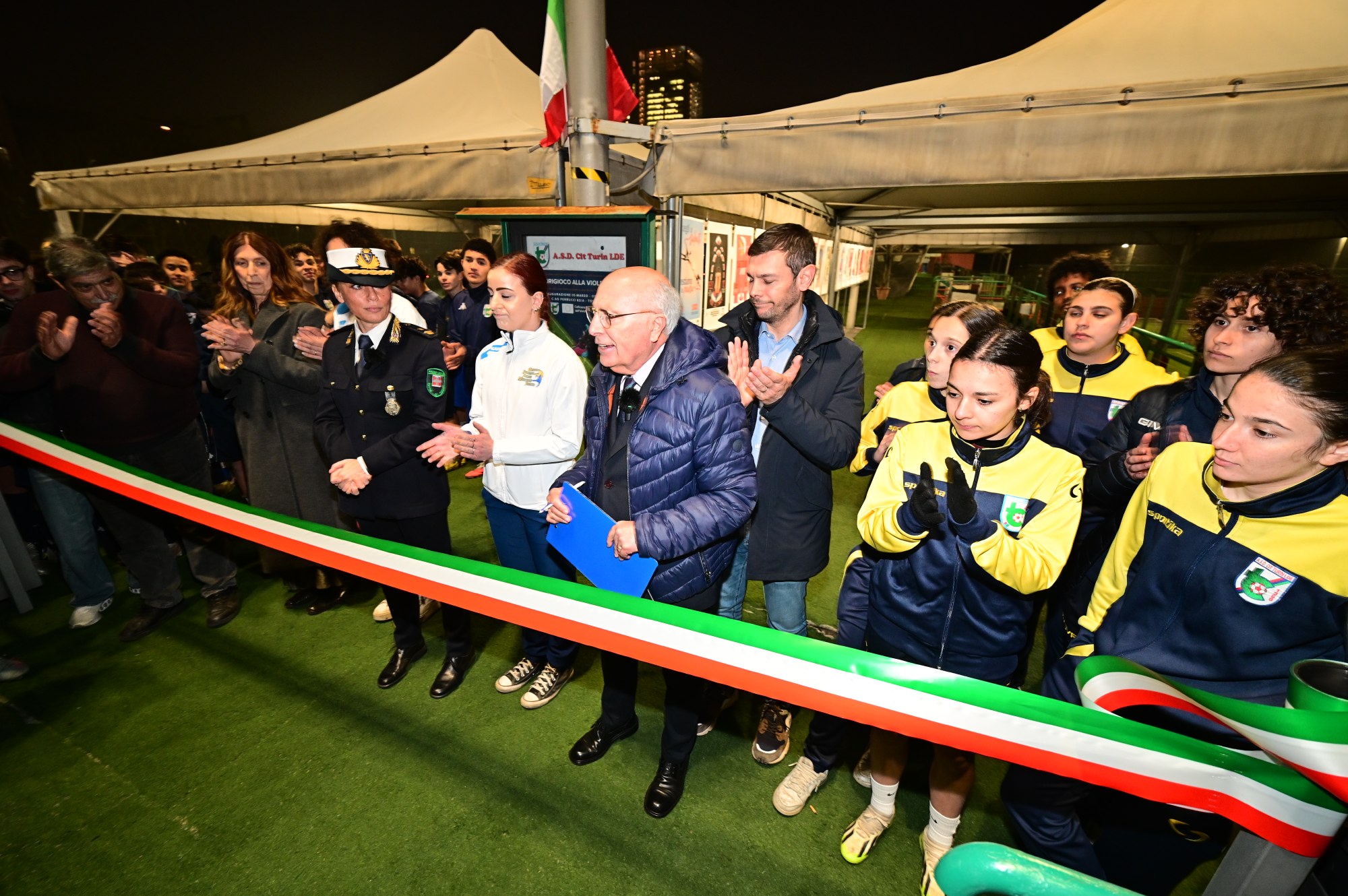
On the occasion of International Women’s Day, within the framework of the Erasmus+ Sport project “From Classrooms to the Pitch”, the Cit Turin LDE Sports Club hosted the exhibition “OFFSIDE TO VIOLENCE”, developed in collaboration with the City of Turin, the Local Police Proximity Unit, the Cottini Art High School, and the San Carlo Technical School.
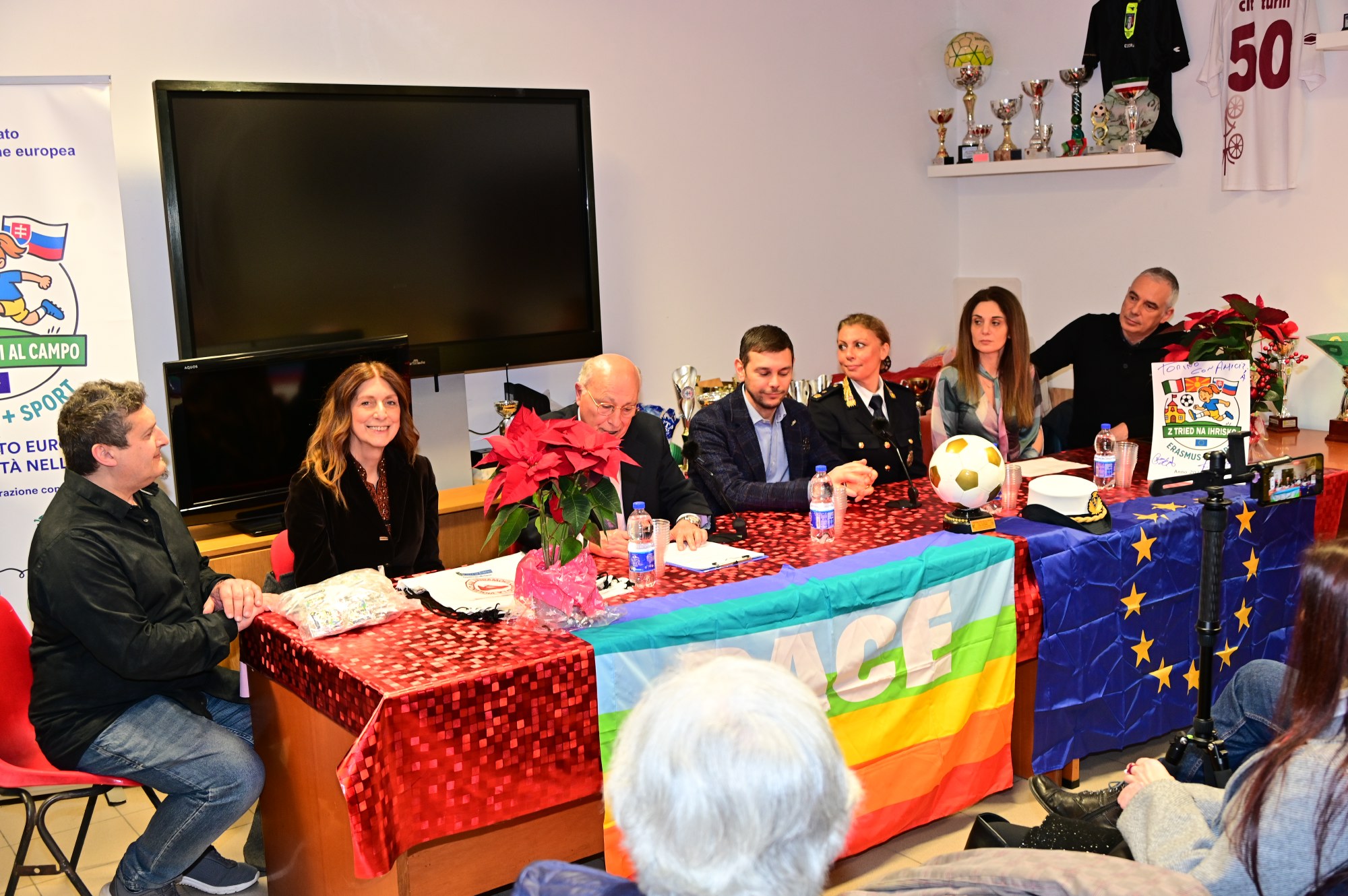
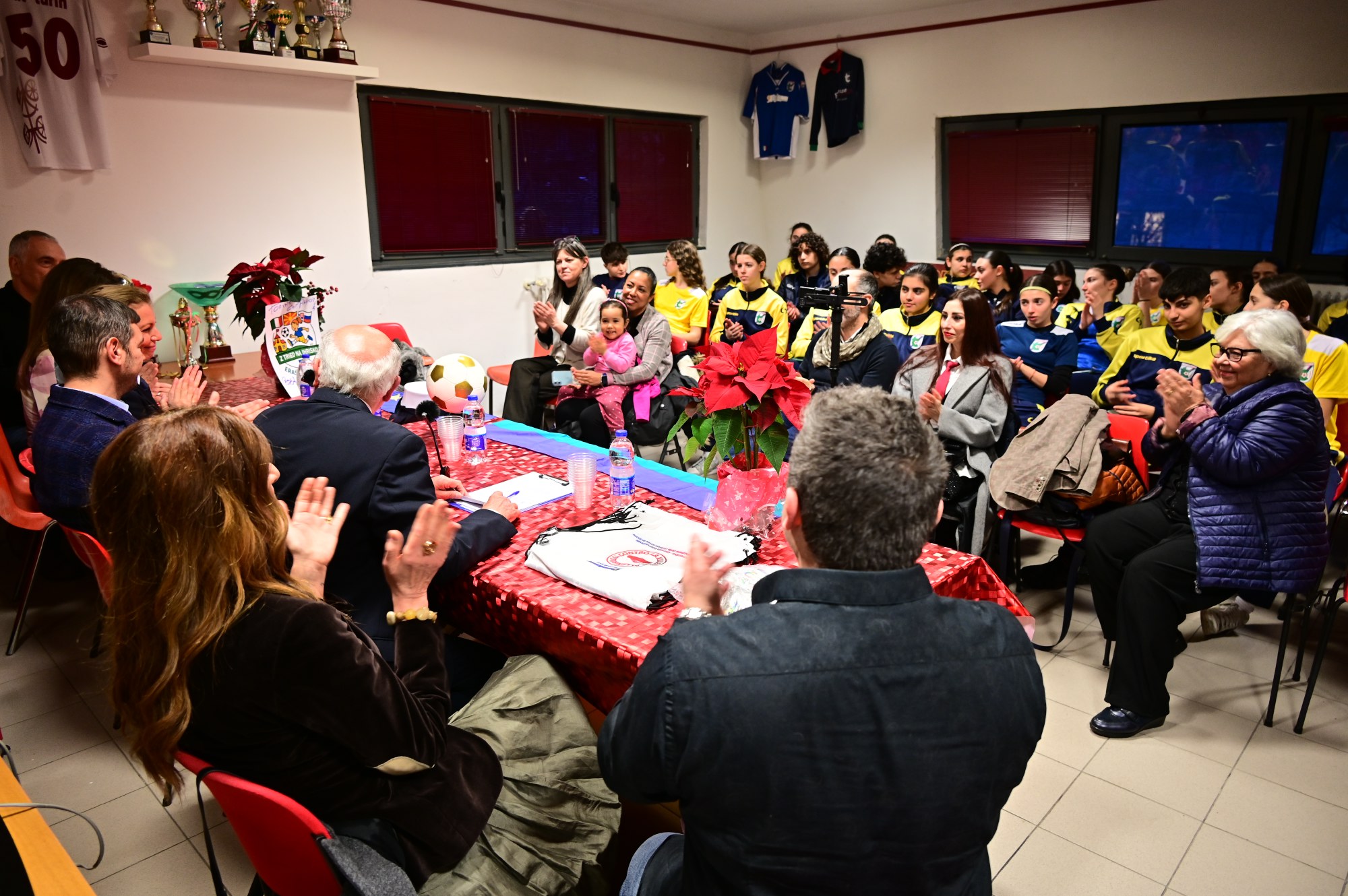
The exhibition was inaugurated on March 5th in the presence of institutional representatives and project partners, opening with a reflection on gender equality, respect, and the role of education and sport in preventing all forms of violence and discrimination.
The initiative placed schools at the core of the activity, fully reflecting the priorities of the Erasmus+ Sport programme, particularly in promoting social inclusion, equal opportunities, and gender equality.
Students from the Cottini Art High School and the San Carlo Technical School were directly involved in the co-creation of the exhibition, producing visual and communication materials aimed at raising awareness on gender-based violence. Through this process, students were not only recipients but active contributors, developing critical thinking and a deeper understanding of equality, respect, and social responsibility.
At the same time, the exhibition served as an educational pathway for younger pupils from primary and lower secondary schools, who participated in guided visits and interactive discussions. These sessions addressed key topics such as: overcoming gender stereotypes, promoting equal access to sport, fostering respect and inclusion in both school and community environments.
Football, and in particular women’s football, was used as a concrete and relatable tool to challenge traditional perceptions and encourage girls’ participation in sport. This approach aligns directly with the project’s objective of bringing more girls into football while creating an inclusive environment where sport becomes a vehicle for empowerment and personal development.
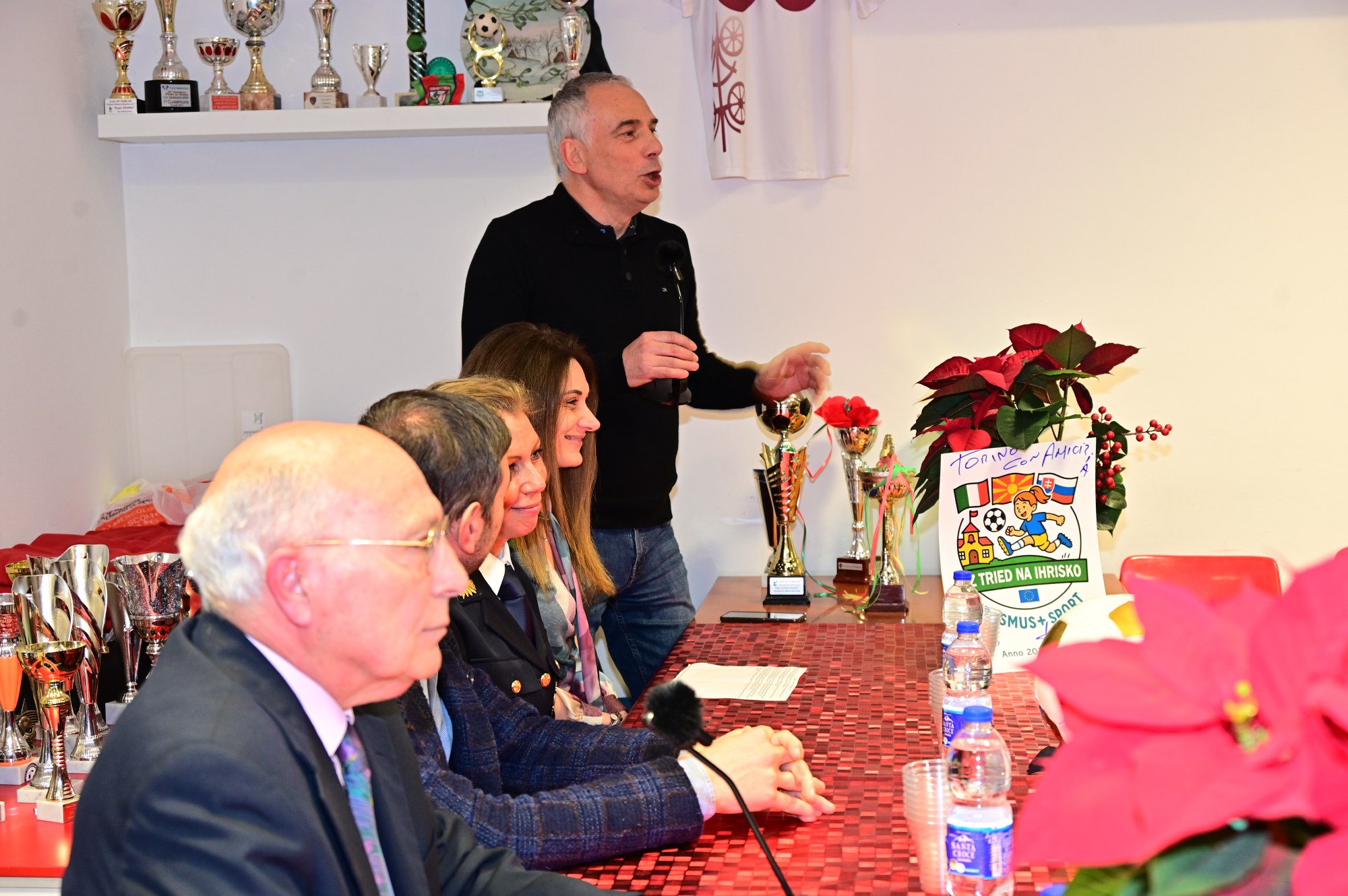
During the inauguration, Councillor for Legality, Security and Local Police Marco Porcedda highlighted how the integration of school, art, and women’s football represents a strategic approach to educating young generations on equality and inclusion.
The Commander of the Local Police Proximity Unit, Rosalba Fiando, underlined the importance of early education and community-based initiatives in preventing gender-based violence, emphasizing the role of schools as fundamental environments for building awareness and responsible behaviours.
The initiative generated significant local media coverage, confirming the relevance and societal impact of the themes addressed. The combination of educational activities, artistic expression, and sport created a strong engagement with the community and amplified the project’s message beyond the immediate participants.
The exhibition will remain open until March 31st, continuing to offer schools, families, and citizens an opportunity to engage with its content and reflect on the values of inclusion, gender equality, and respect—core principles of the Erasmus+ Sport programme.
An interactive awareness session was organised for parents of girls aged 14–18, with the aim of highlighting the importance of female participation in football and sport more broadly. The session focused on addressing common stereotypes and social barriers that often discourage girls from engaging in team sports, particularly football.
During the meeting, parents were introduced to the physical, psychological and social benefits of girls’ involvement in sport. These included increased self-confidence, improved teamwork and communication skills, the development of leadership abilities, greater resilience and enhanced overall wellbeing.
The session also provided an open and supportive space for discussion, allowing parents to share concerns, ask questions and reflect on their role in supporting their daughters’ participation in sport and outdoor activities. Particular attention was given to practical ways in which families can encourage regular physical activity and create a positive environment for girls to feel confident and motivated.
Special emphasis was placed on the crucial role of family support in sustaining girls’ engagement in sport. The discussion highlighted how encouragement from parents can significantly influence girls’ motivation to remain active and to take part in inclusive sporting environments, including those promoted through Erasmus+ mobility opportunities.
Overall, the session contributed to raising awareness among parents and strengthening their capacity to support their daughters’ journey from initial interest to active and sustained participation in women’s football.
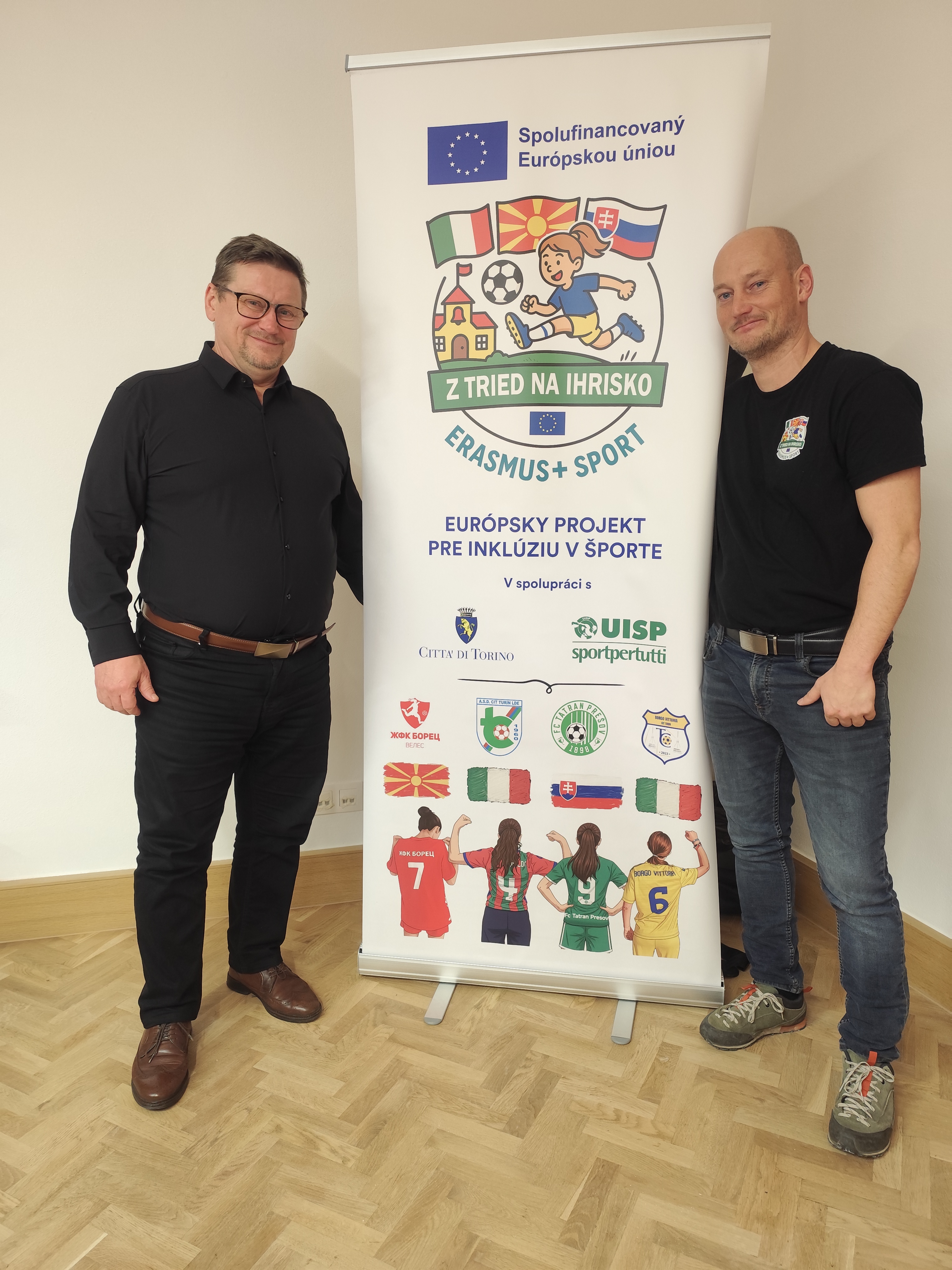
As part of the project “Z tried na ihrisko”, funded by the European Union, an important sporting event is currently being prepared at the main stadium of FC Tatran Prešov. The initiative focuses on promoting physical activity among children, supporting the development of girls’ football and strengthening cooperation between schools and the local sports community.
The highlight of the program will be a women’s league match between FC Tatran Prešov and ŠK Slovan Bratislava, offering an exciting sporting experience while promoting the growth and visibility of women’s football in Slovakia. Alongside the match, a tournament for girls from the 1st to the 4th grade of primary schools will take place, involving young players from several schools. For many of these girls, this will be their first opportunity to play in a professional football stadium, making the experience particularly meaningful.
The final of the children’s tournament will be played during halftime of the main match, in front of the stadium audience. This symbolic moment aims to create a strong connection between youth football and women’s professional football, inspiring young girls to continue participating in sport and to see football as an accessible path for their future.
Approximately 3,000 children are expected to attend the event, which could represent a record for the Slovak women’s league in terms of youth participation and overall engagement. The initiative is therefore not only a sporting event, but also an important community occasion for the city of Prešov and the wider region.
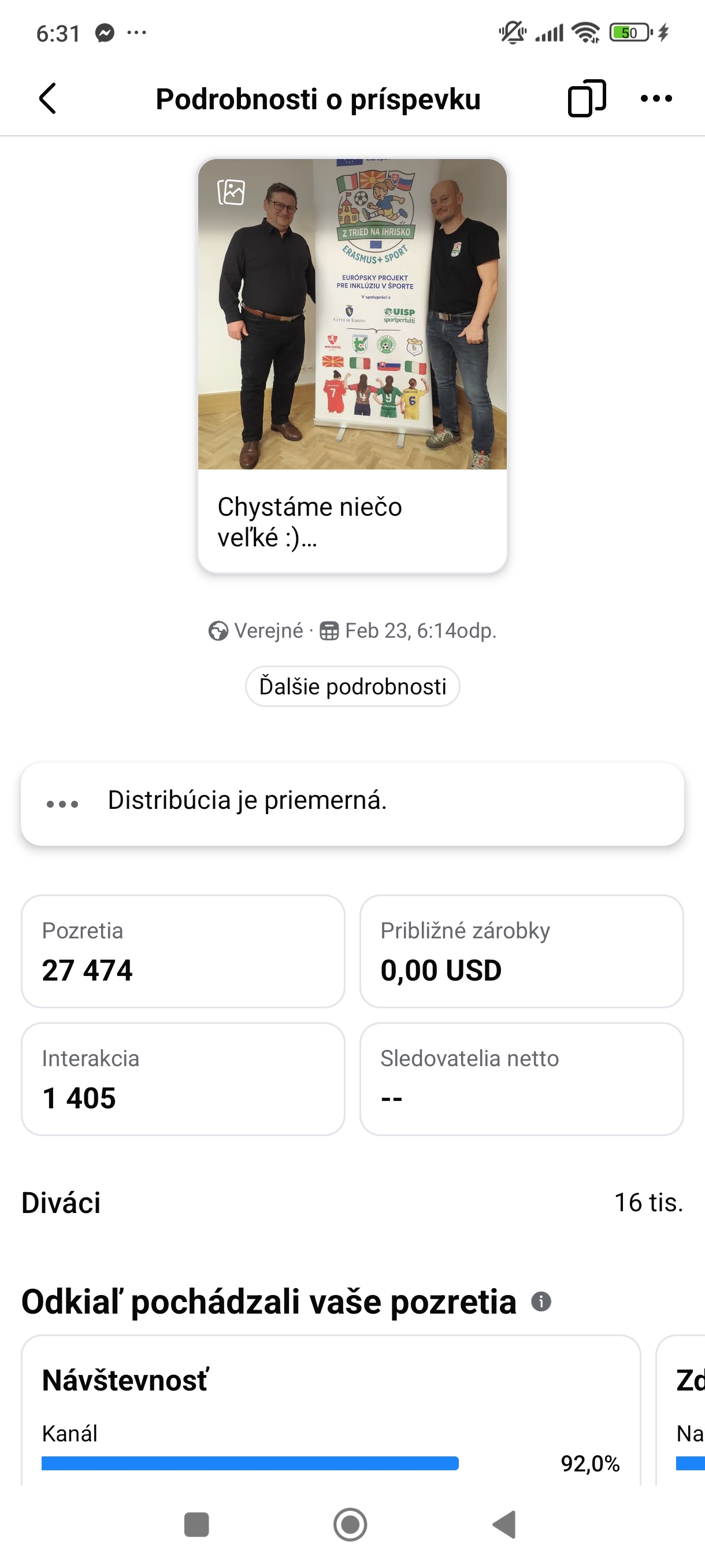
On 24 February 2026, the project manager Marek Semančík personally met with the Mayor of Prešov to present the project, its objectives and the opportunities for cooperation with the city. The meeting followed earlier discussions held in January with the management of Tatran Aréna regarding organizational arrangements, event logistics and the accompanying activities planned for children and the public.
The news of the mayor’s visit and support for the initiative generated significant interest online, with the related Facebook post reaching more than 27,000 views, demonstrating the strong local engagement and public enthusiasm surrounding the event.
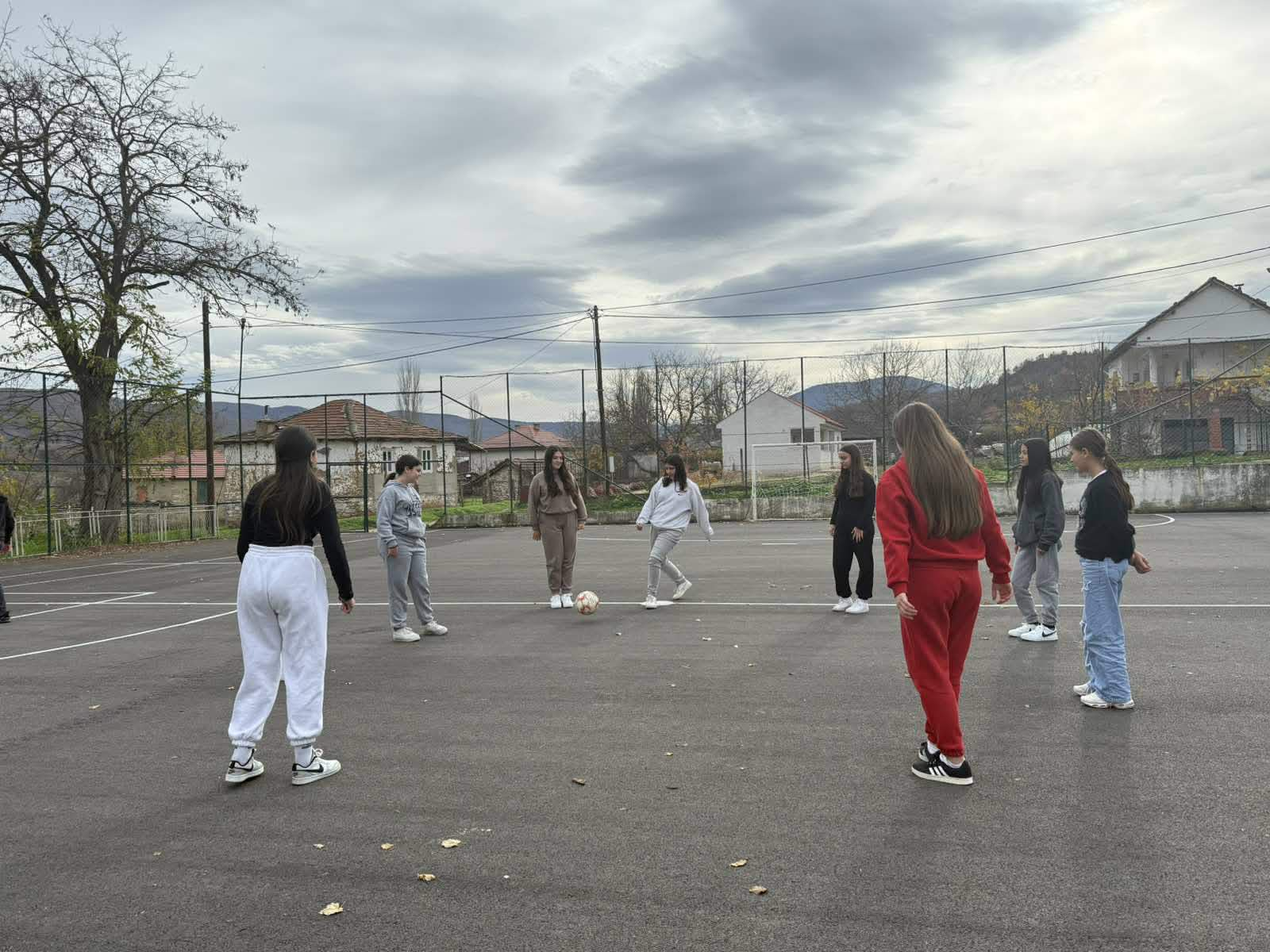
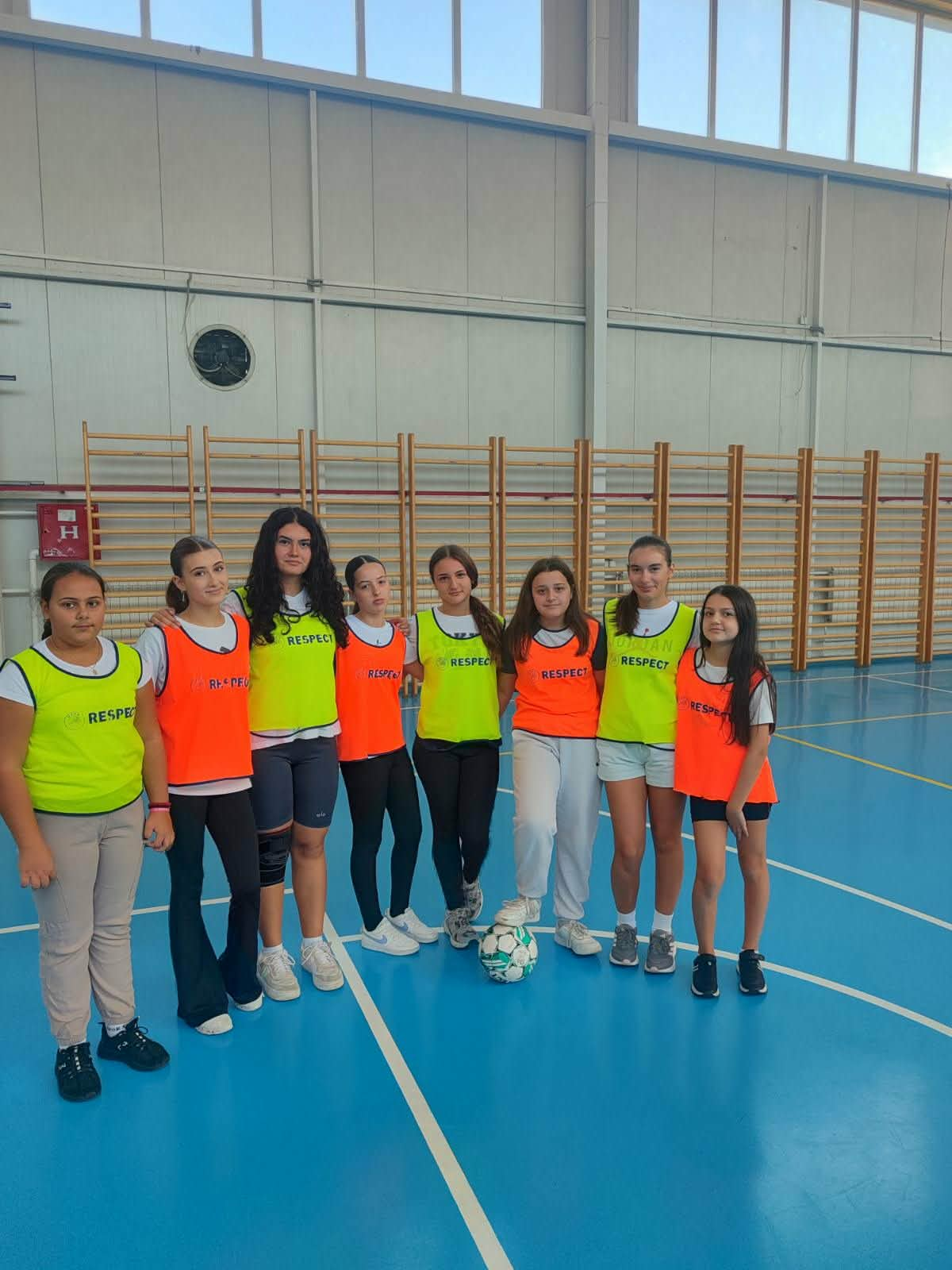
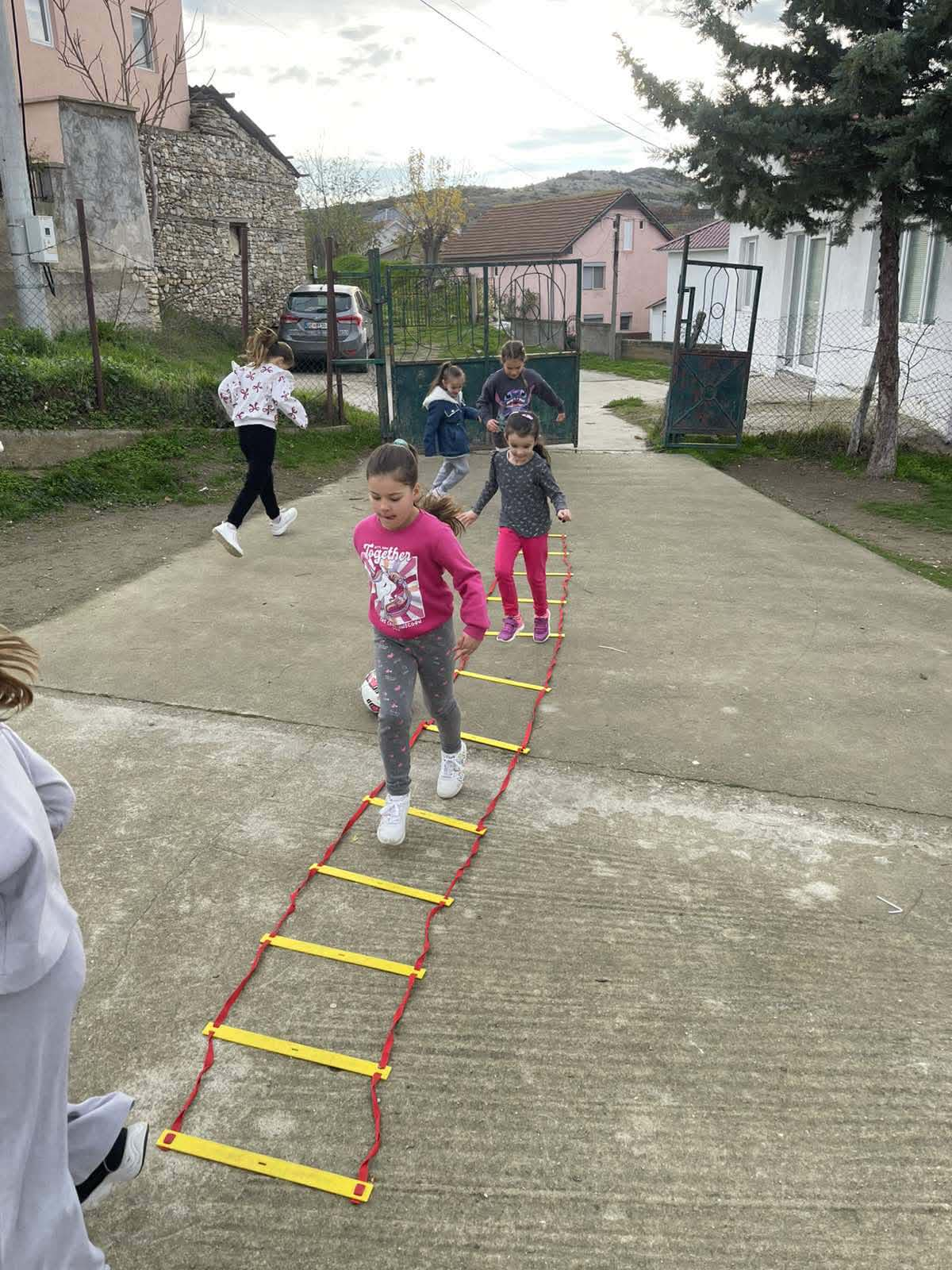
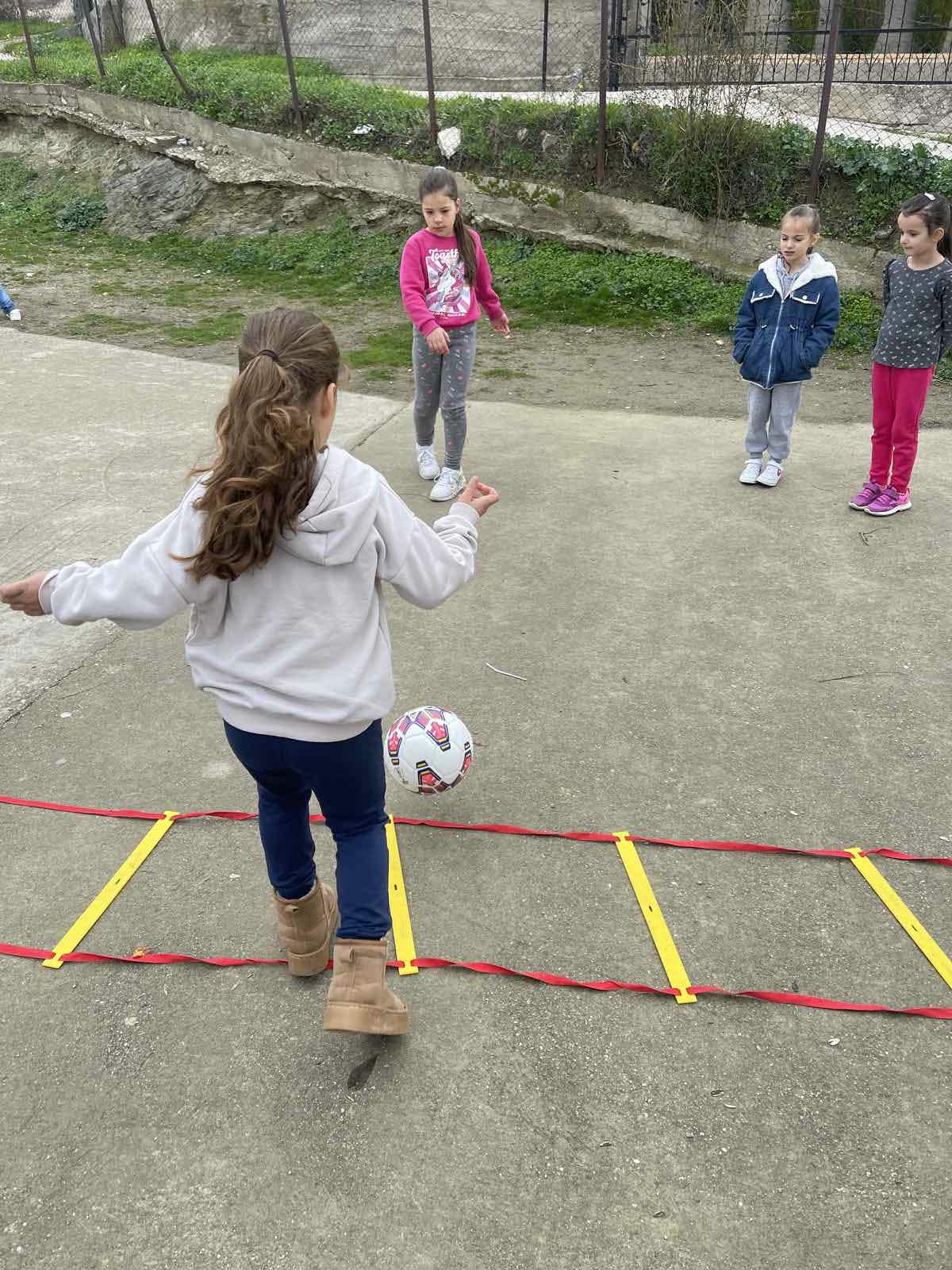
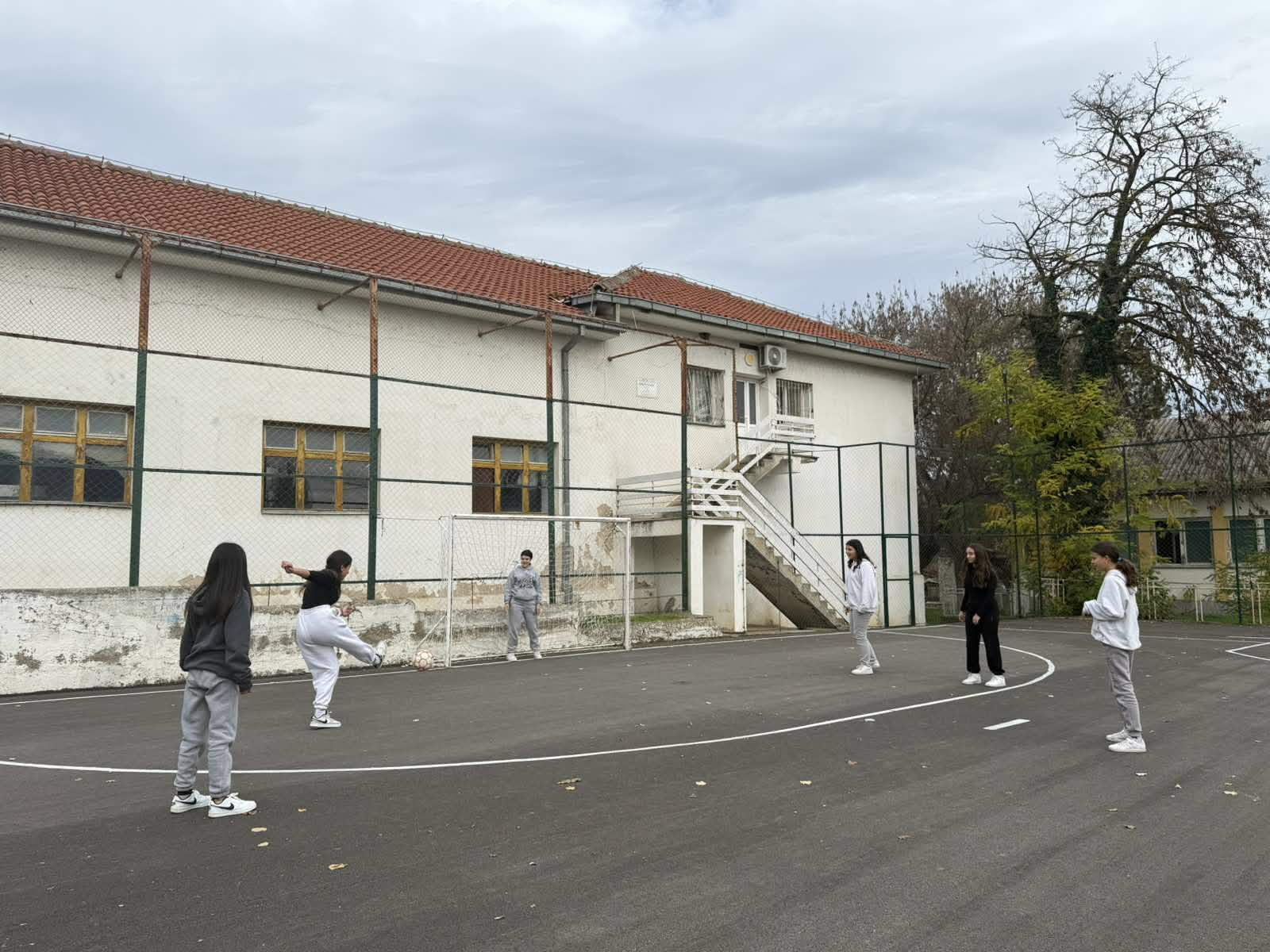
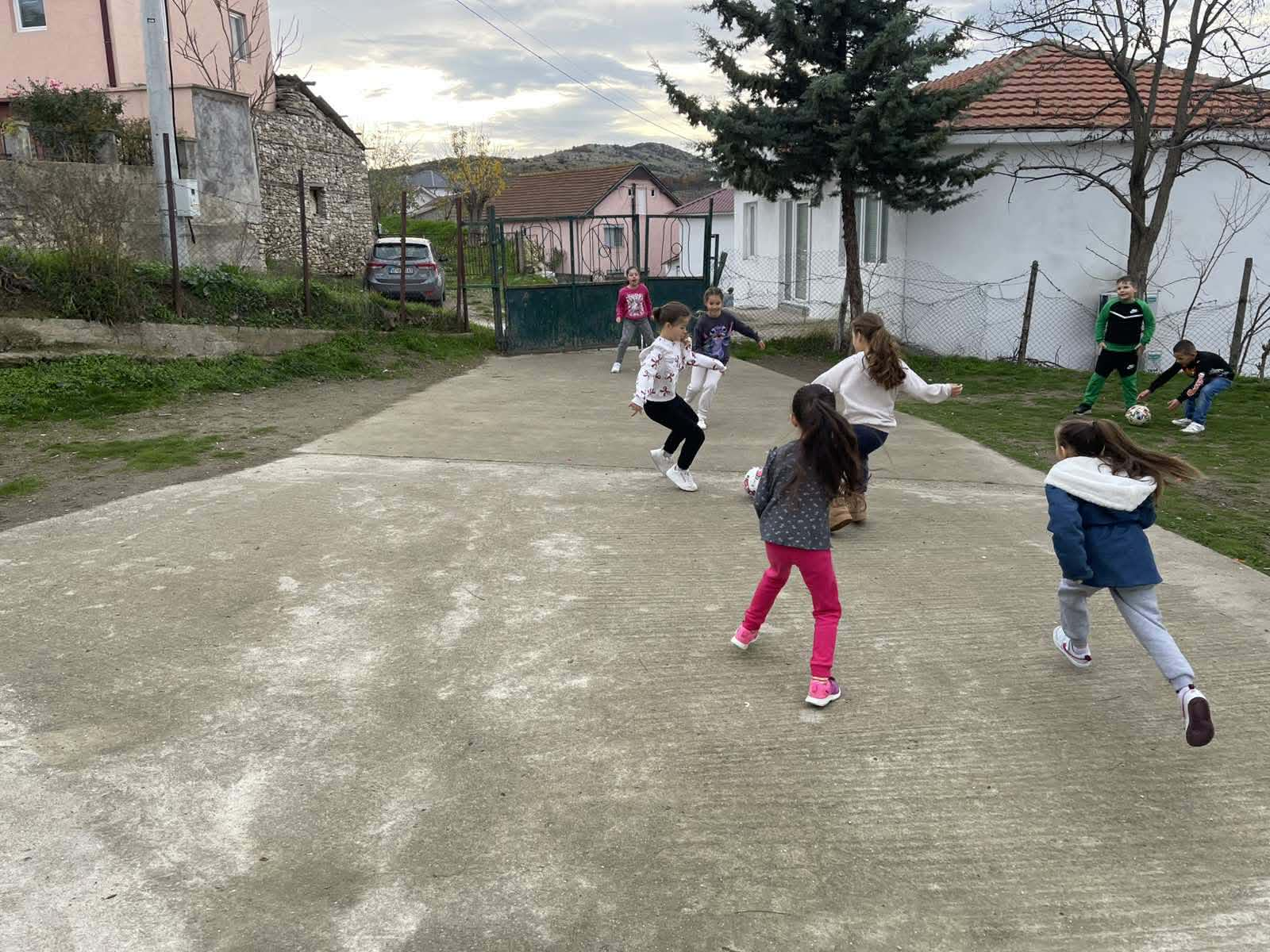
As part of the Erasmus+ Sport project From Classroom to the Pitch, a series of football activities for girls were implemented in rural areas of the Municipality of Veles, specifically in the Primary School “Petre Pop Arsov” in Bogomila and the Satellite Primary School “St. Cyril and Methodius” in Crkvino. The activities were organised by ZFK Borec with the aim of promoting equal access to sport and encouraging girls’ participation in football in rural communities.
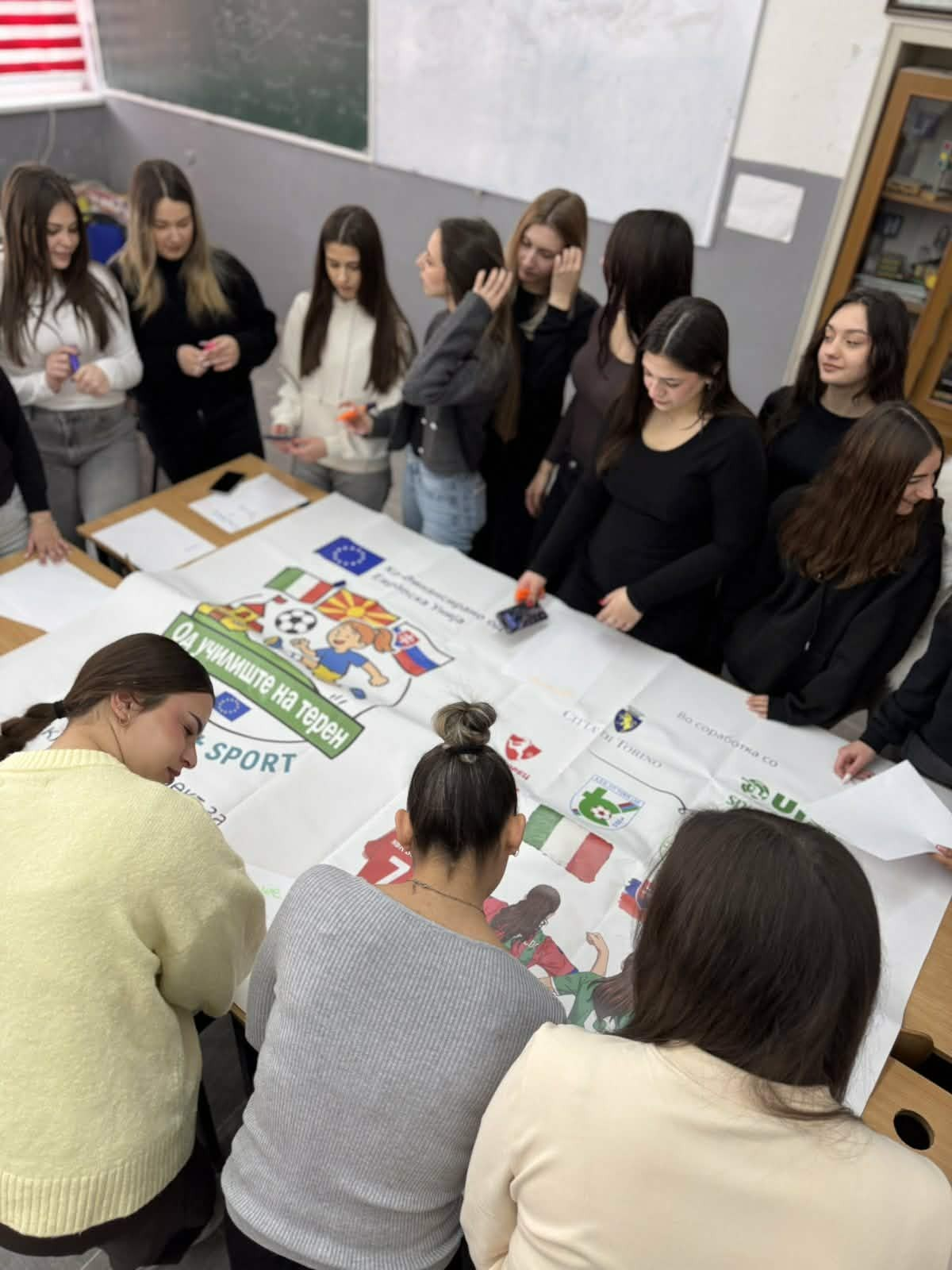
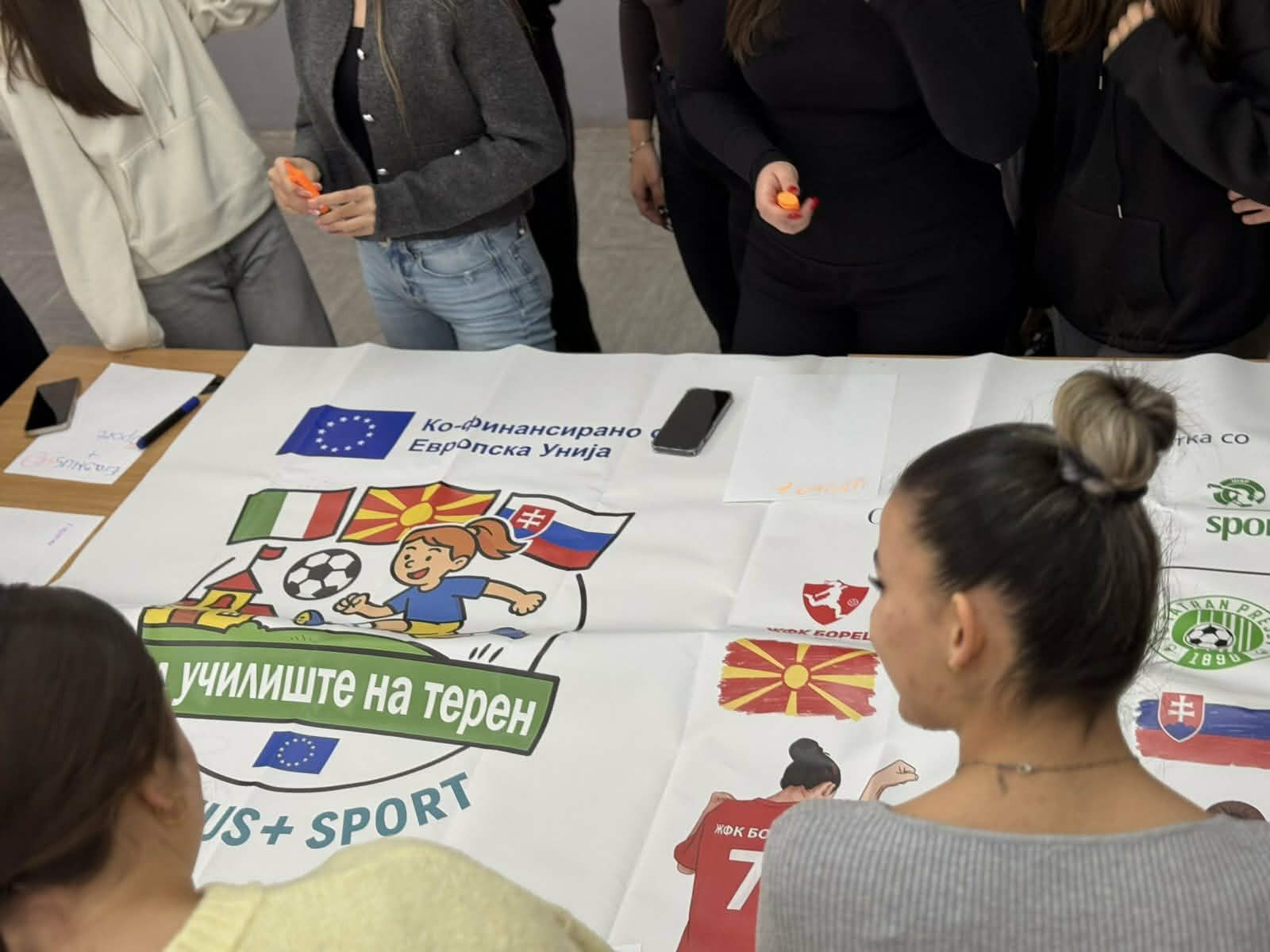
The initiative was designed to increase girls’ involvement in organised sport, promote gender-inclusive physical education and provide participants with the opportunity to develop basic football skills in a supportive and motivating environment. At the same time, particular attention was given to fostering teamwork, communication and fair play among participants.
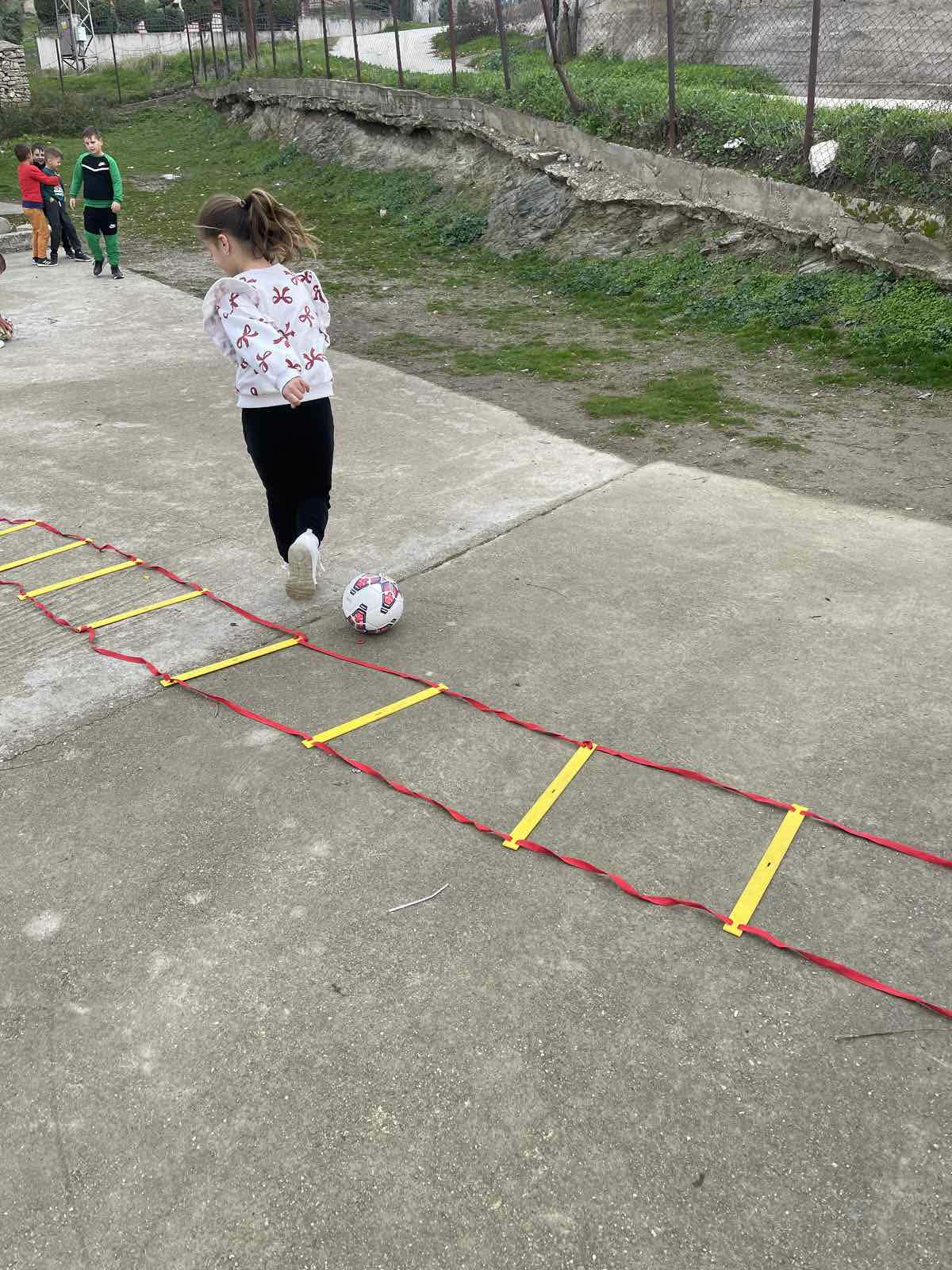
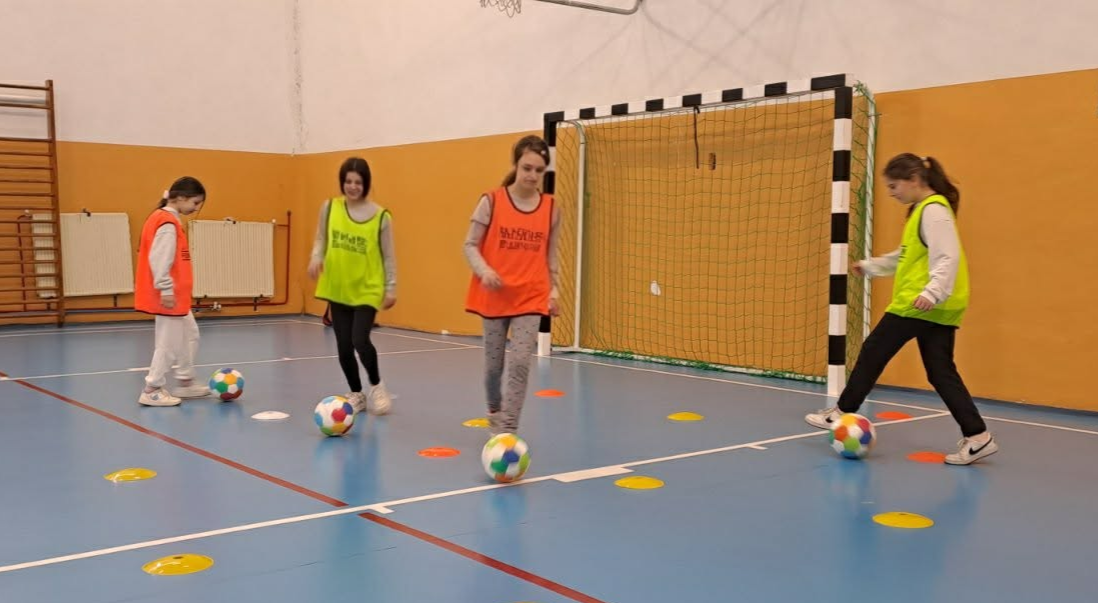
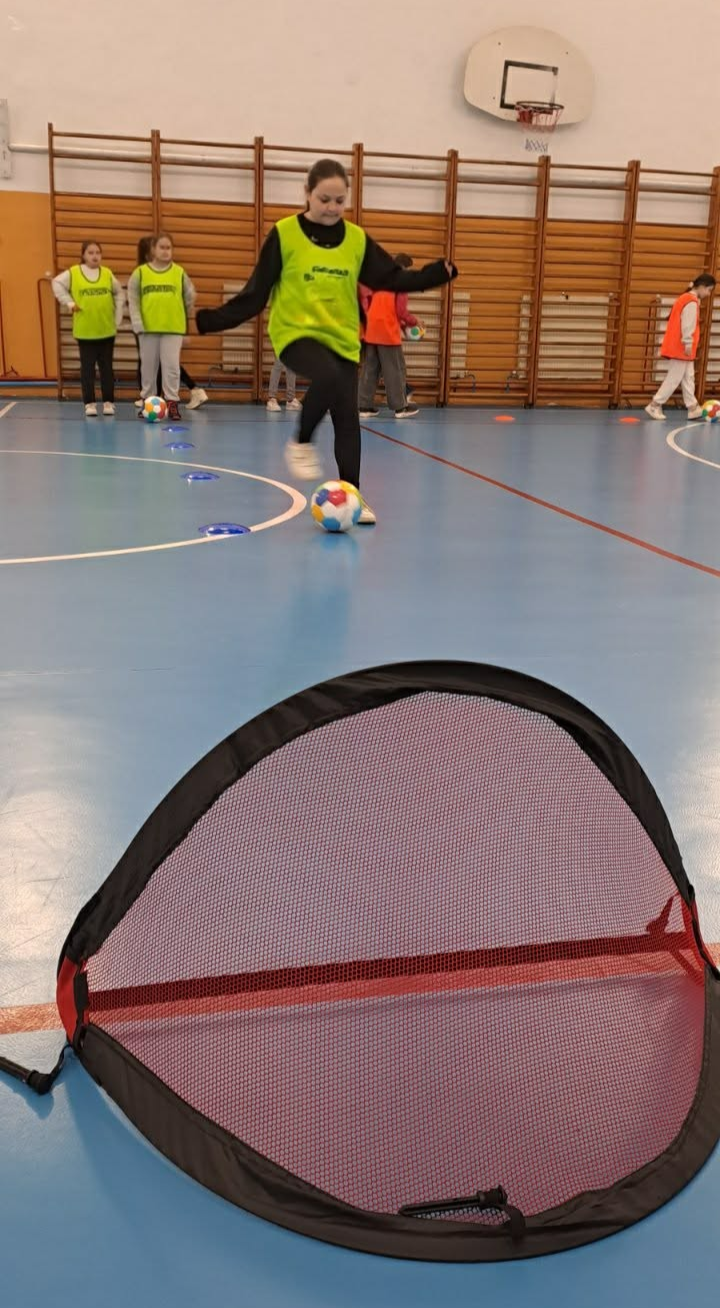
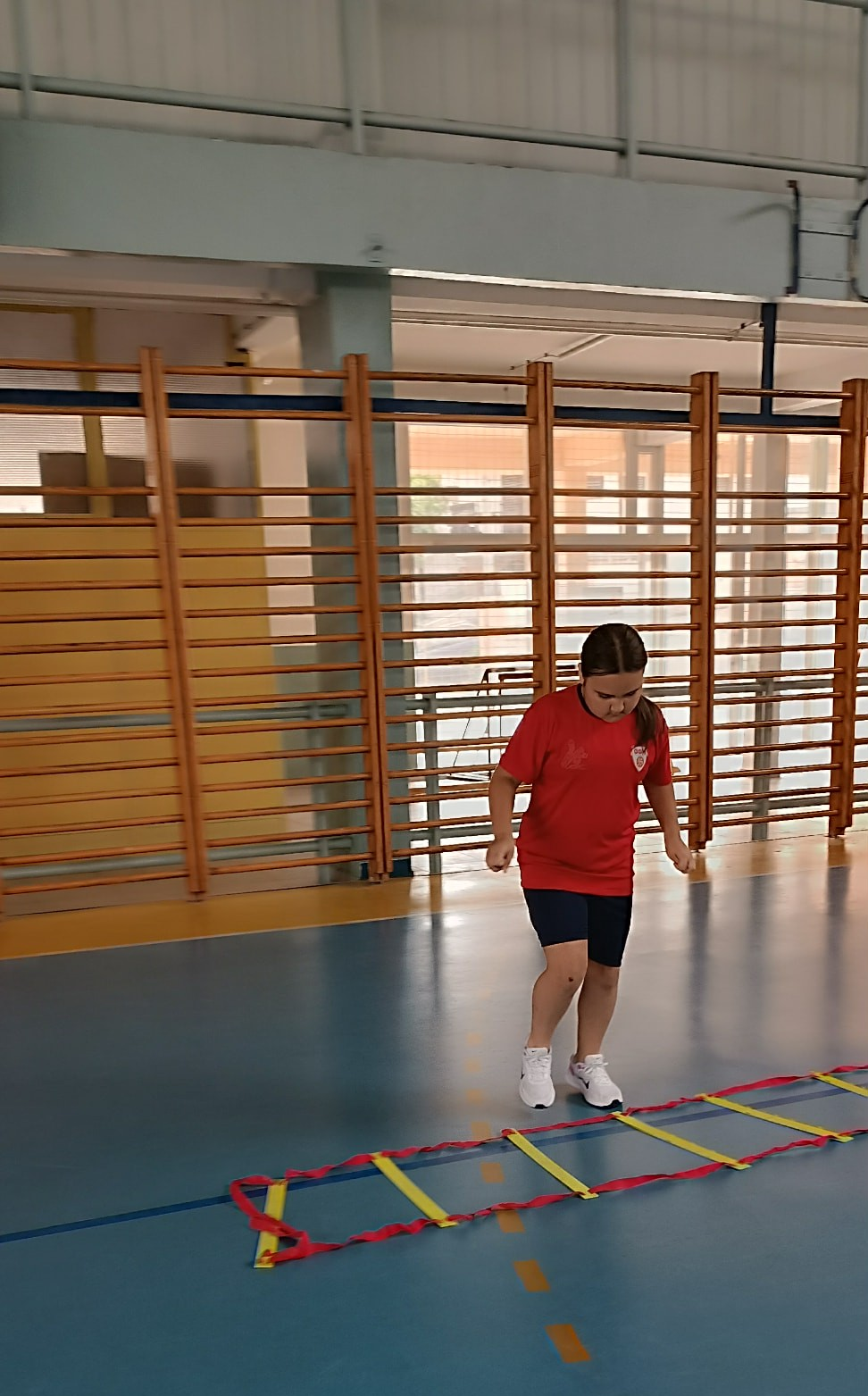
In Bogomila, the activities focused on introducing fundamental football techniques through structured and progressive exercises. Sessions included warm-up and mobility routines, followed by ball-control drills aimed at improving receiving, trapping and ball possession. Participants practiced dribbling through cones and marked paths, as well as passing exercises in pairs and small groups. Shooting exercises on mini goals allowed the girls to develop confidence in front of goal, while small-sided games provided an opportunity to apply learned skills in real play situations. Additional exercises targeting speed and coordination, such as ladder drills and quick changes of direction, were also incorporated to enhance overall physical development.
In Crkvino, the programme followed a similar approach, adapted to the group’s level and context. Activities included warm-up routines focused on mobility and light aerobic movement, followed by ball-handling exercises and basic dribbling tasks. Passing combinations and movement without the ball were introduced to improve understanding of teamwork and positioning. Agility drills using cones and slalom running helped develop coordination and responsiveness. The sessions also included shooting exercises with a focus on accuracy, as well as mini matches adapted to the participants’ level. To increase engagement and enjoyment, relay-style football challenges were introduced, encouraging collaboration and active participation.
The activities were met with strong interest and enthusiasm from the participants, who actively engaged in all sessions and demonstrated a positive attitude toward football. The programme successfully created an inclusive and supportive environment in which girls felt encouraged to participate, express themselves and build confidence through sport.
Overall, the initiative contributed to promoting gender equality in sport by providing girls in rural areas with accessible opportunities to engage in football and physical activity. It also supported their personal and social development, strengthening skills such as teamwork, communication and self-confidence.
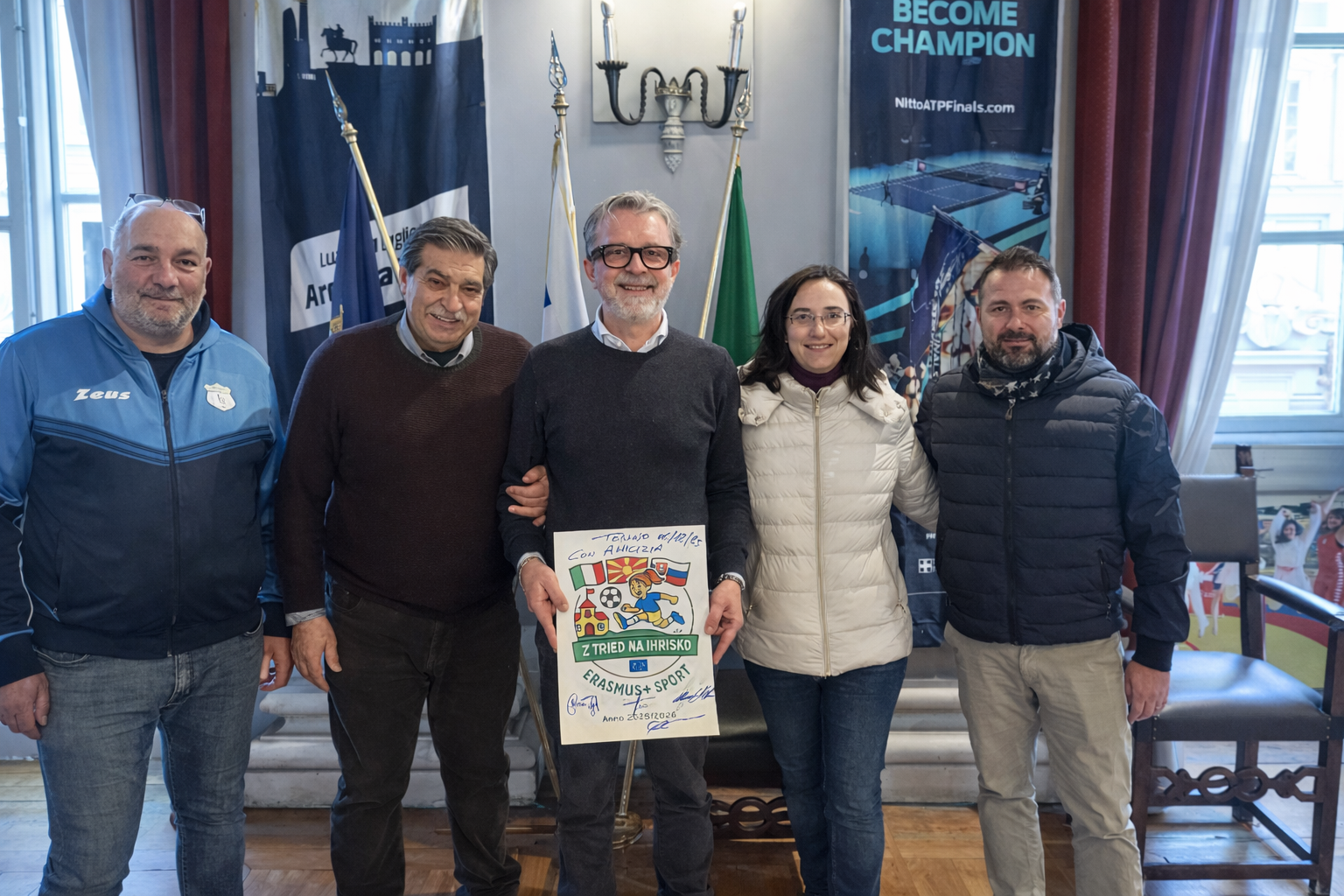
We are very proud to have obtained the official patronage of the City of Turin for the Erasmus+ Sport project From Classrooms to the Pitch, an initiative aimed at promoting gender equality, inclusion, and healthy lifestyles through women’s football and educational activities.
The patronage was confirmed during a meeting held at the City Hall of Turin between Angelo Frau, President of Cit Turin LDE, and Domenico Carretta, Councillor for Sport of the City of Turin.
During the meeting, the main objectives and activities of the project were presented. From Classrooms to the Pitch aims to encourage girls to move from school environments to active participation in women’s football through a series of educational and sporting initiatives, including workshops for teachers and coaches, school engagement activities, local tournaments, and international cooperation between partner organizations.
Particular attention was given to the educational and social value of the project and to how its activities can integrate with the policies and initiatives already promoted by the City of Turin in the fields of youth development, sport participation, and gender equality. The discussion highlighted the importance of creating stronger connections between schools, sports clubs, and institutions in order to expand opportunities for girls to access sport and benefit from its positive impact on personal growth, confidence, and teamwork.
At the end of the meeting, the City of Turin confirmed its official patronage and expressed full support for the activities planned within the project.
Councillor Domenico Carretta stated that he was proud that a project of such international scope is being developed in Turin, underlining how the city once again demonstrates its commitment to inclusion and gender equality, confirming its role as a city at the forefront of innovative and socially impactful sports initiatives.
The support of the city represents an important recognition for the project and a significant step toward strengthening its local impact while connecting European cooperation with concrete activities in schools, sports clubs, and the community.
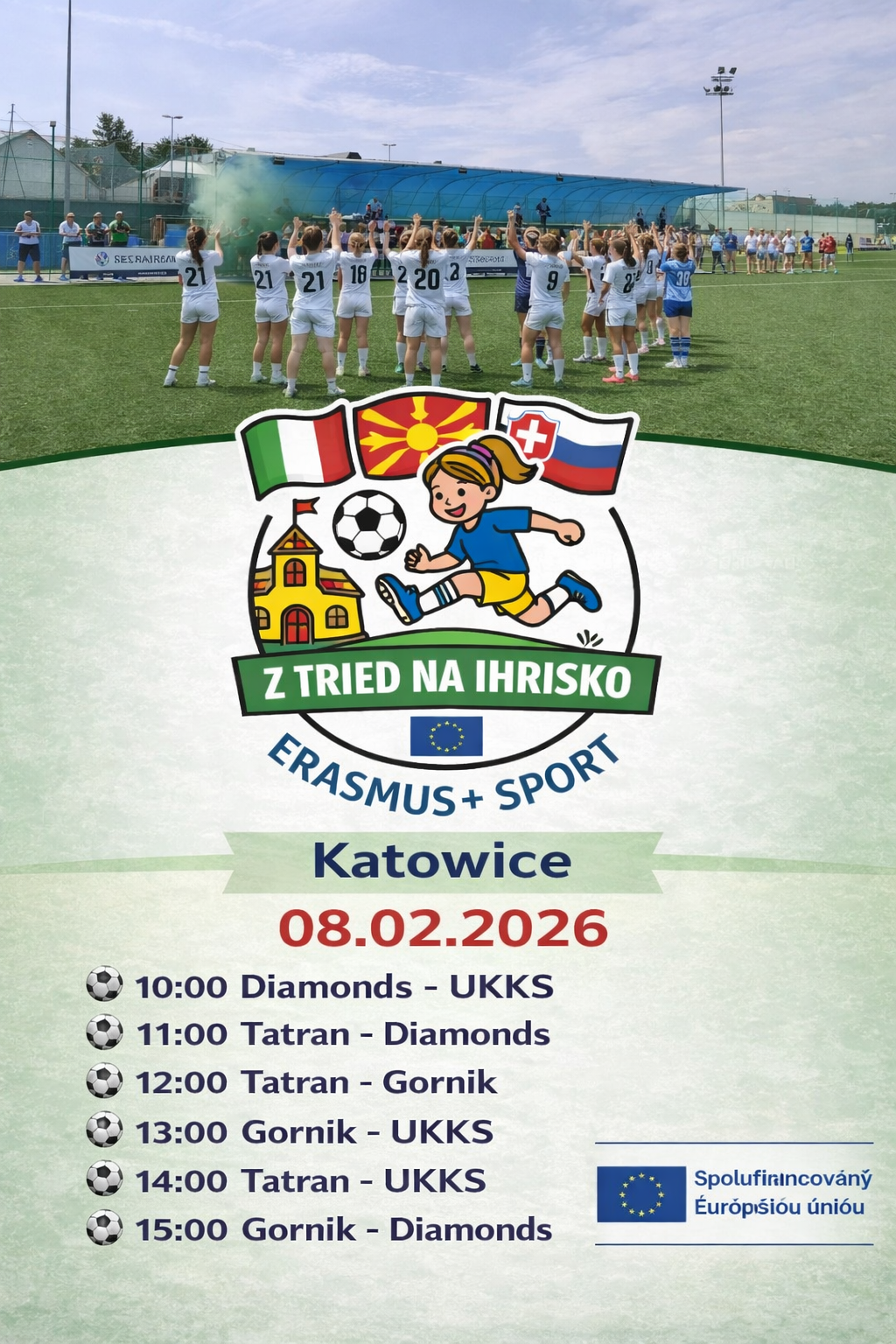
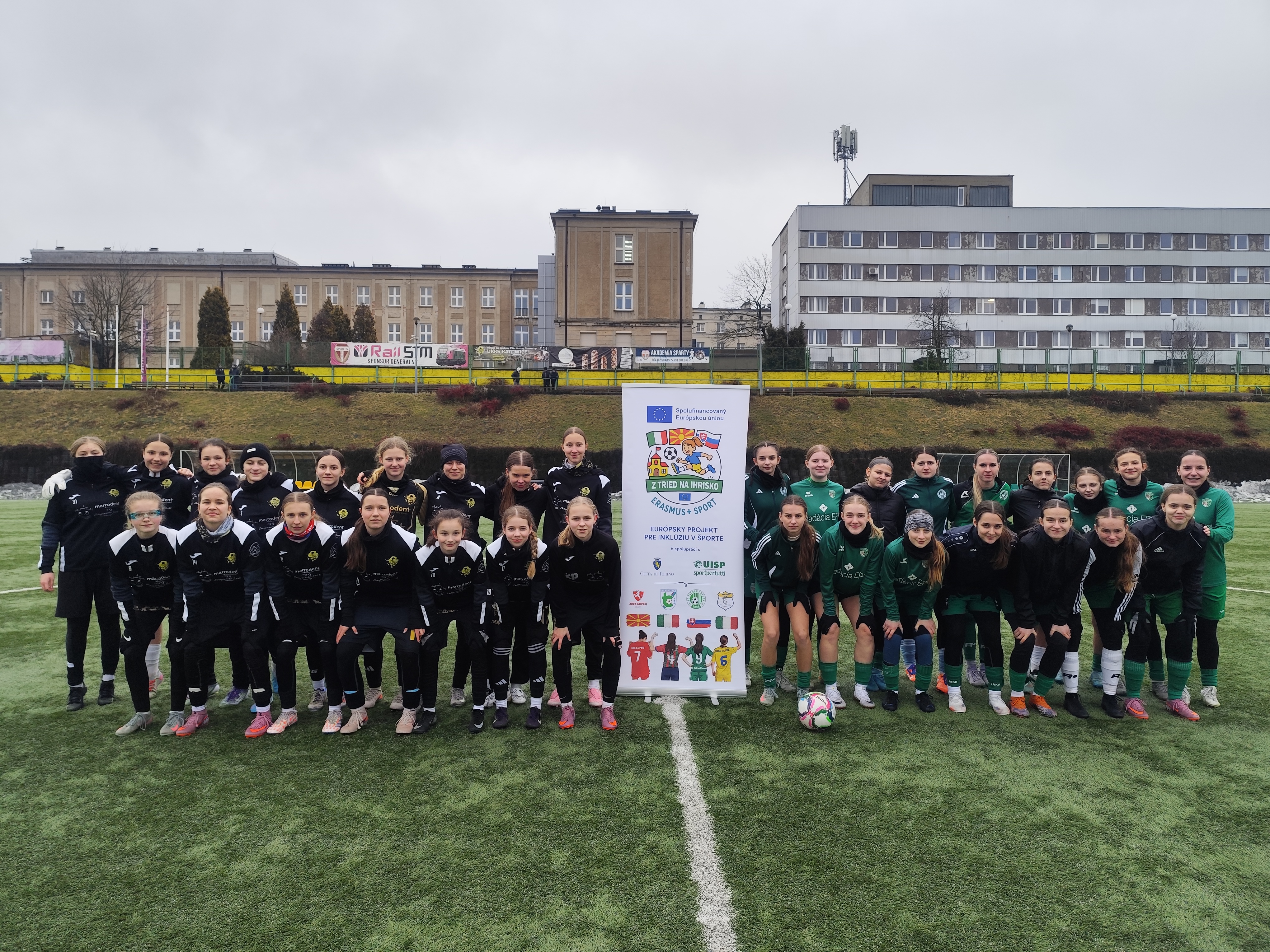
Within the framework of the Erasmus+ Sport project co-funded by the European Union, an international youth football initiative took place in Katowice, Poland, on 8 February 2026, involving several clubs and young female players from different regions. The activity represented an important moment within the project, aimed at strengthening international cooperation in sport and expanding the European network of organisations involved in women’s football and youth development.
Four teams participated in the event: FC Tatran Prešov (Slovakia) and three Polish teams from the Katowice and Warsaw regions. The gathering created an opportunity for players, coaches and club representatives to meet, exchange experiences and discuss different approaches to youth football development. The main objective of the initiative was not only to organise sporting activities, but above all to encourage dialogue between organisations, share knowledge and build lasting relationships between clubs working in the field of women’s football across Europe.
The event was designed to support the broader goals of the Erasmus+ Sport programme, particularly the creation of sustainable international networks, the promotion of fair play, cooperation and European values, and the strengthening of collaboration between grassroots sports organisations. By bringing together teams from different countries and regions, the activity helped foster mutual understanding and provided an environment where participants could learn from each other’s organisational practices and sporting cultures.
In addition to the matches played during the tournament, the programme included moments of informal exchange between coaches, project representatives and local organisers. These discussions focused on how to further develop collaboration between clubs and how to expand the network created through the Erasmus+ project, exploring opportunities for future exchanges, joint activities and continued cooperation beyond the duration of the project.
Participants also had the opportunity to explore the cultural and social environment of the host city, visiting the centre and the main square of Katowice. These shared experiences contributed to strengthening interpersonal relationships among players and staff, reinforcing the idea that sport can serve as a powerful tool for intercultural dialogue and social connection.
Overall, the initiative in Katowice contributed significantly to the expansion of the project’s European network, allowing clubs and young athletes to build new relationships and deepen existing partnerships. Activities of this kind demonstrate how the Erasmus+ Sport programme supports not only sporting development, but also the creation of lasting connections between organisations that share common goals in youth sport, inclusion and the promotion of women’s football across Europe.
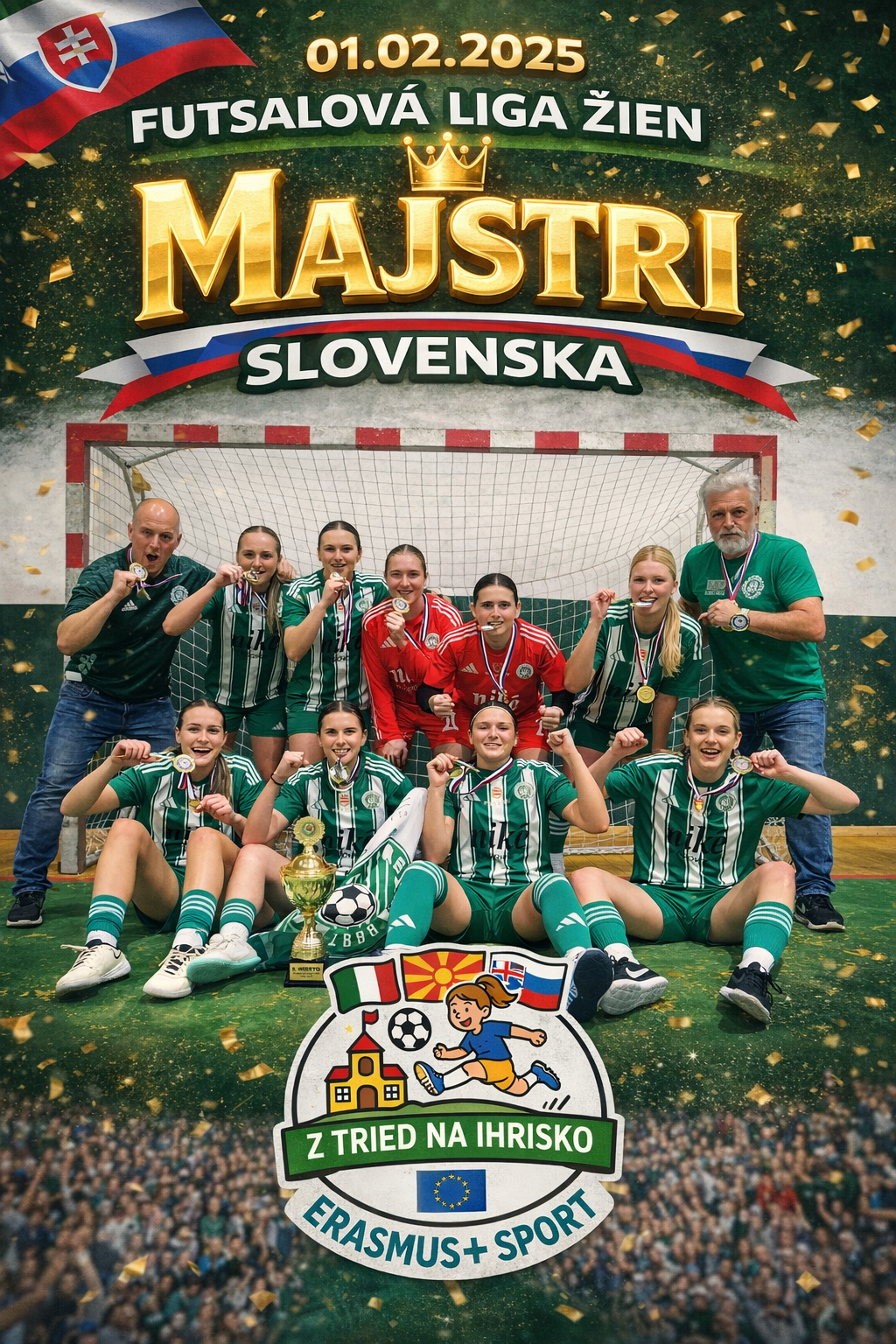
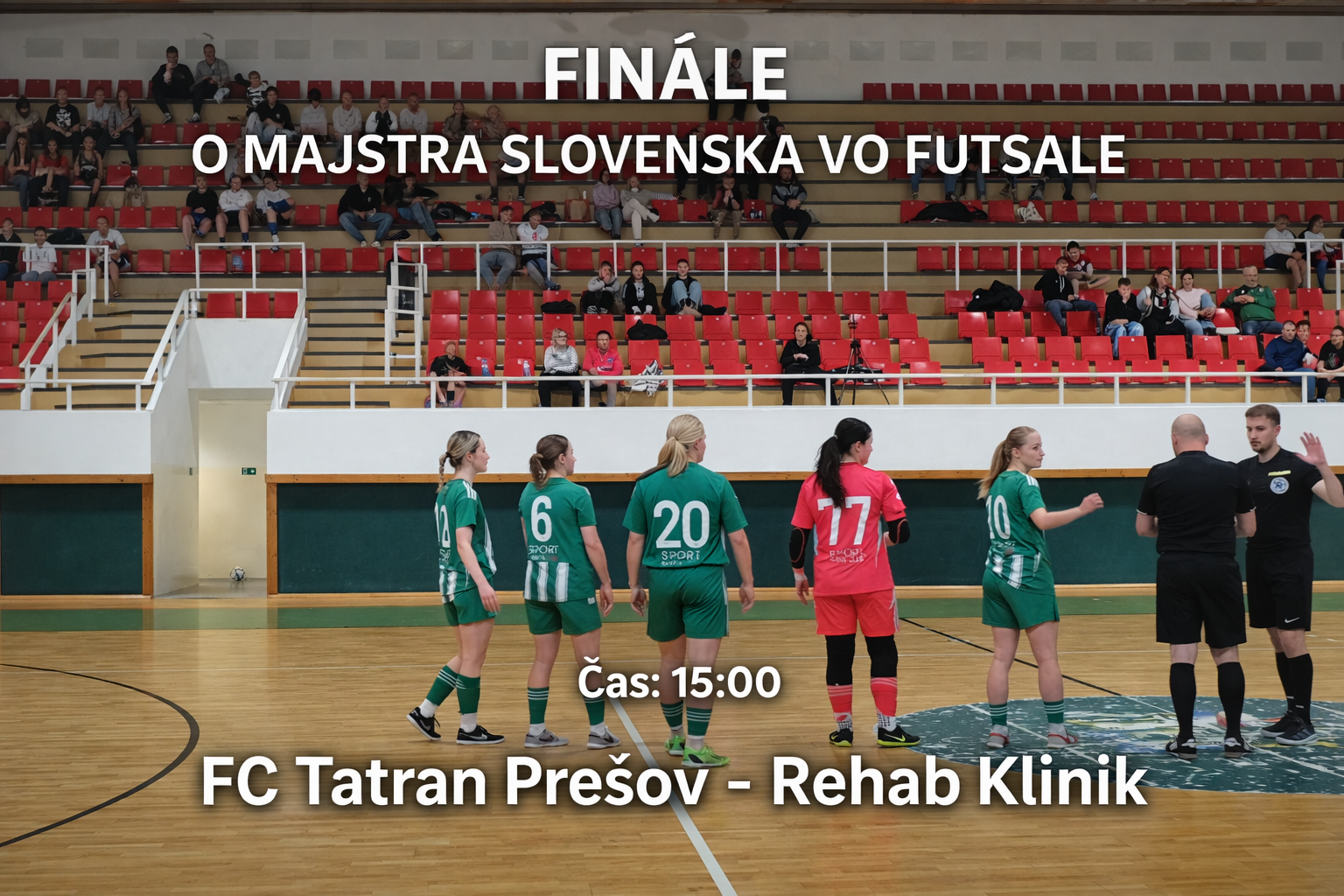
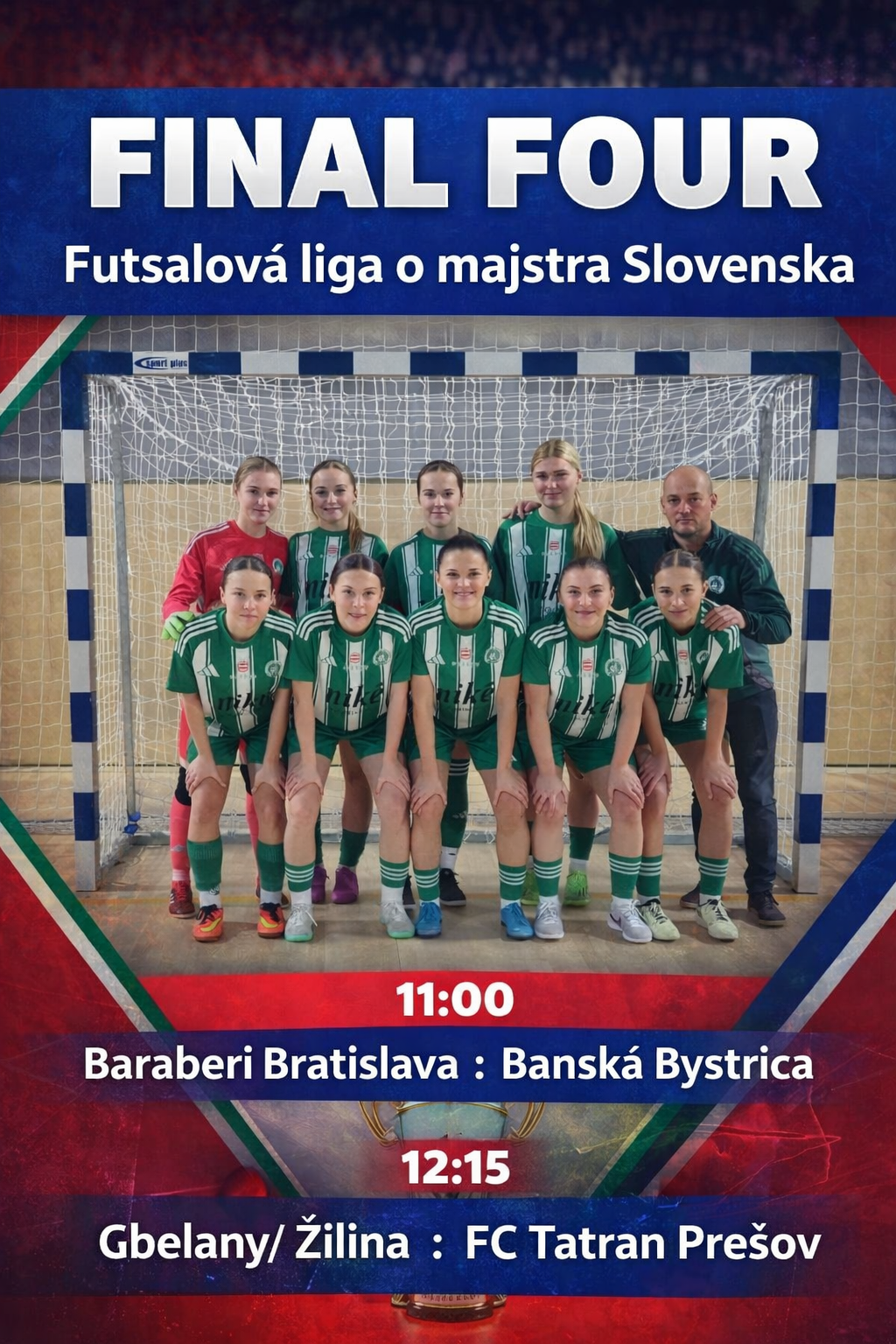
As part of the Erasmus+ Sport project co-funded by the European Union, the partner organisation FC Tatran Prešov participated in the Slovak Futsal Championship held on 1 February 2026 in Žilina. The participation in the event provided an important opportunity for the Slovak partner to share its experience and expertise beyond the city of Presov, demonstrating how local sporting structures can contribute to broader European cooperation in the field of women’s football and youth sport. Through this activity, the project highlighted the role of sport as a platform for exchange of knowledge, mutual learning and collaboration between organisations from different countries.
In addition to the sporting dimension, the event became a valuable moment for network-building and dialogue among organisations and stakeholders involved in women’s football. Representatives of the project partners discussed possible ways to strengthen cooperation not only during the lifetime of the Erasmus+ project but also beyond its formal conclusion, exploring opportunities for future collaboration, exchanges and joint initiatives.
Particular attention was given to the importance of creating sustainable links between the partners from Italy, Slovakia and North Macedonia, with the shared objective of continuing to promote women’s football, youth participation in sport and gender equality through joint activities at the European level.
The experience in Žilina therefore represented an important step toward the development of a broader network, allowing the partners to reflect on how their cooperation can evolve over time and how the knowledge and relationships built through the project can generate long-term impact.
Activities such as this demonstrate how the Erasmus+ Sport programme supports not only sporting activities but also the creation of lasting partnerships, encouraging organisations to work together across borders and to promote shared values such as cooperation, inclusion, equal opportunities and the educational role of sport.
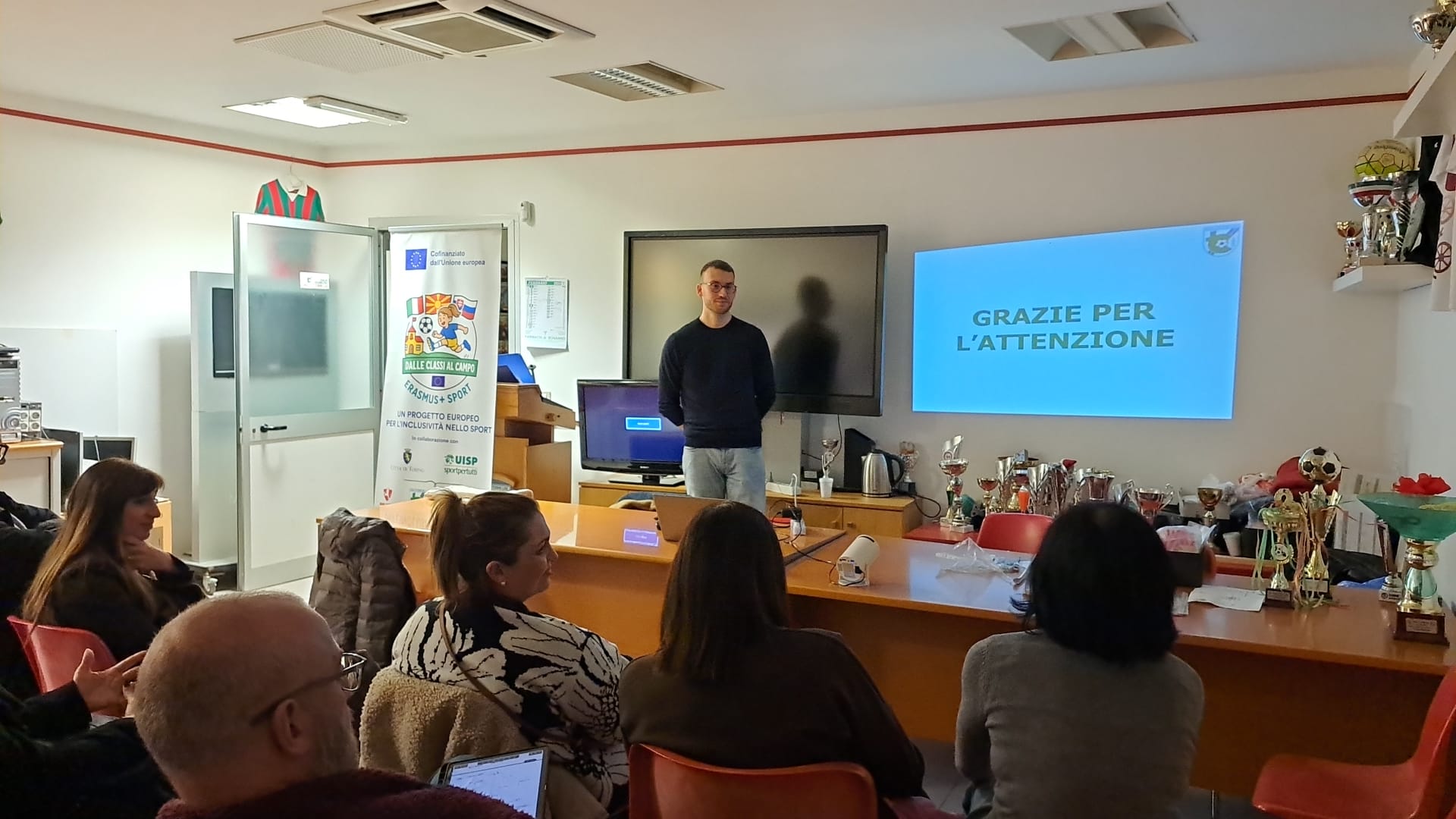
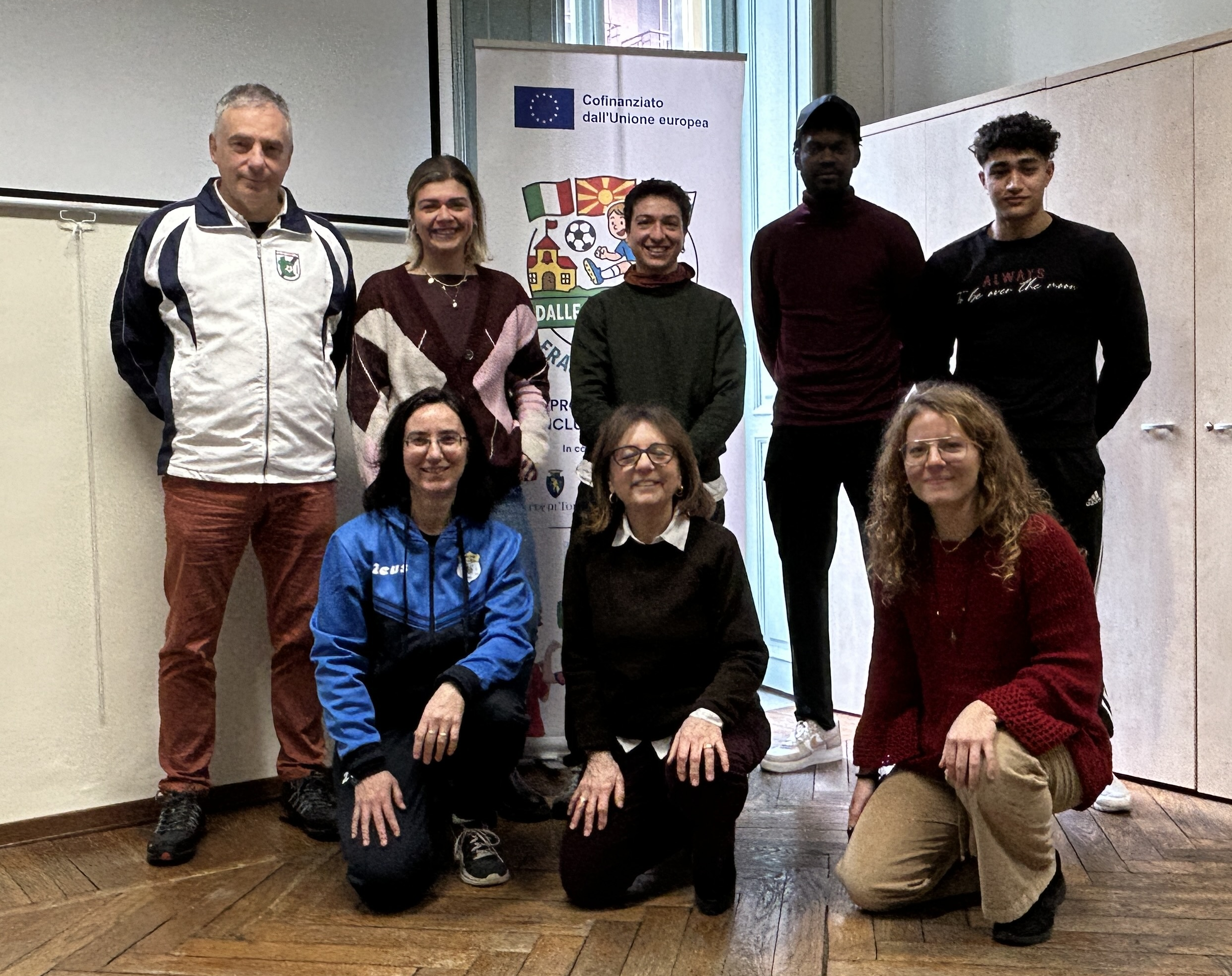
On January 31, a training session dedicated to gender equality in sport, with a specific focus on women’s football, was organized in Italy as part of the Erasmus+ Sport project From Classroom to the Pitch. The meeting was addressed to educators, coaches and staff working in women’s football, with the aim of providing practical tools and reflections to promote inclusive environments and equal opportunities for girls in sport.
The training was led by several experts from UISP Piemonte and professionals involved in gender equality policies and sport education:
Patrizia Alfano, Vice President of UISP Piemonte
Paola Voltolina, Head of Gender Equality Policies
Alec Moriconi, Project Manager for Gender Equality Policies
Alessia Montanino, Training Coordinator and Sports Psychologist
The session opened with an introduction on the current situation of gender equality in sport, highlighting the main barriers that still limit girls’ participation in football and other sporting activities. Paola Voltolina and Alec Moriconi presented the work carried out by UISP in promoting gender equality, illustrating strategies and initiatives aimed at creating more inclusive sporting environments and combating stereotypes that often discourage girls from approaching football.
Particular attention was given to the role of sports organizations, coaches and educators in supporting girls’ participation and ensuring that training environments are welcoming, respectful and motivating. The discussion emphasized how everyday practices in sports clubs – from communication styles to team management – can significantly influence girls’ confidence, motivation and long-term involvement in sport.
Patrizia Alfano underlined the importance of grassroots sport and community-based initiatives in promoting equal opportunities and expanding access to sport for girls. She also highlighted the role of local sports associations in building networks with schools and communities to support the development of women’s football.
The training also included a session led by Alessia Montanino, sports psychologist and training coordinator, who focused on the psychological aspects of coaching girls. Her intervention explored topics such as building self-confidence, supporting motivation, managing group dynamics and creating positive learning environments for young female athletes. Practical examples and reflections were shared with participants to help coaches better understand the needs and potential of girls involved in football.
The training session created a valuable space for discussion and exchange of experiences among participants, who had the opportunity to reflect on their own coaching practices and explore new approaches to promoting gender equality through sport.
Overall, the meeting contributed to strengthening the awareness and competencies of coaches and educators working in women’s football, supporting the broader objectives of the Erasmus+ Sport project From Classroom to the Pitch: encouraging girls’ participation in sport, promoting equal opportunities and using football as a tool for empowerment, inclusion and personal development.
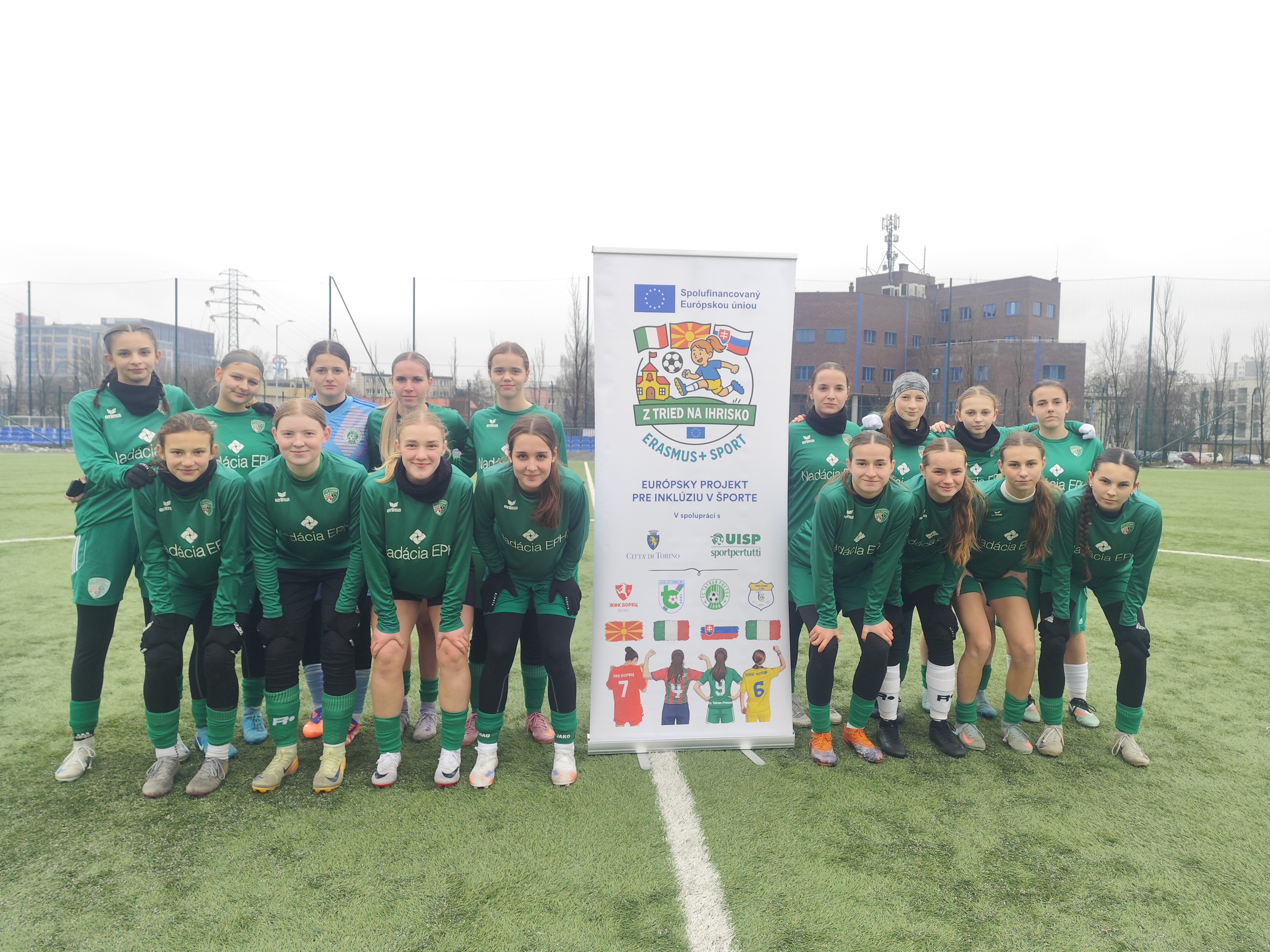
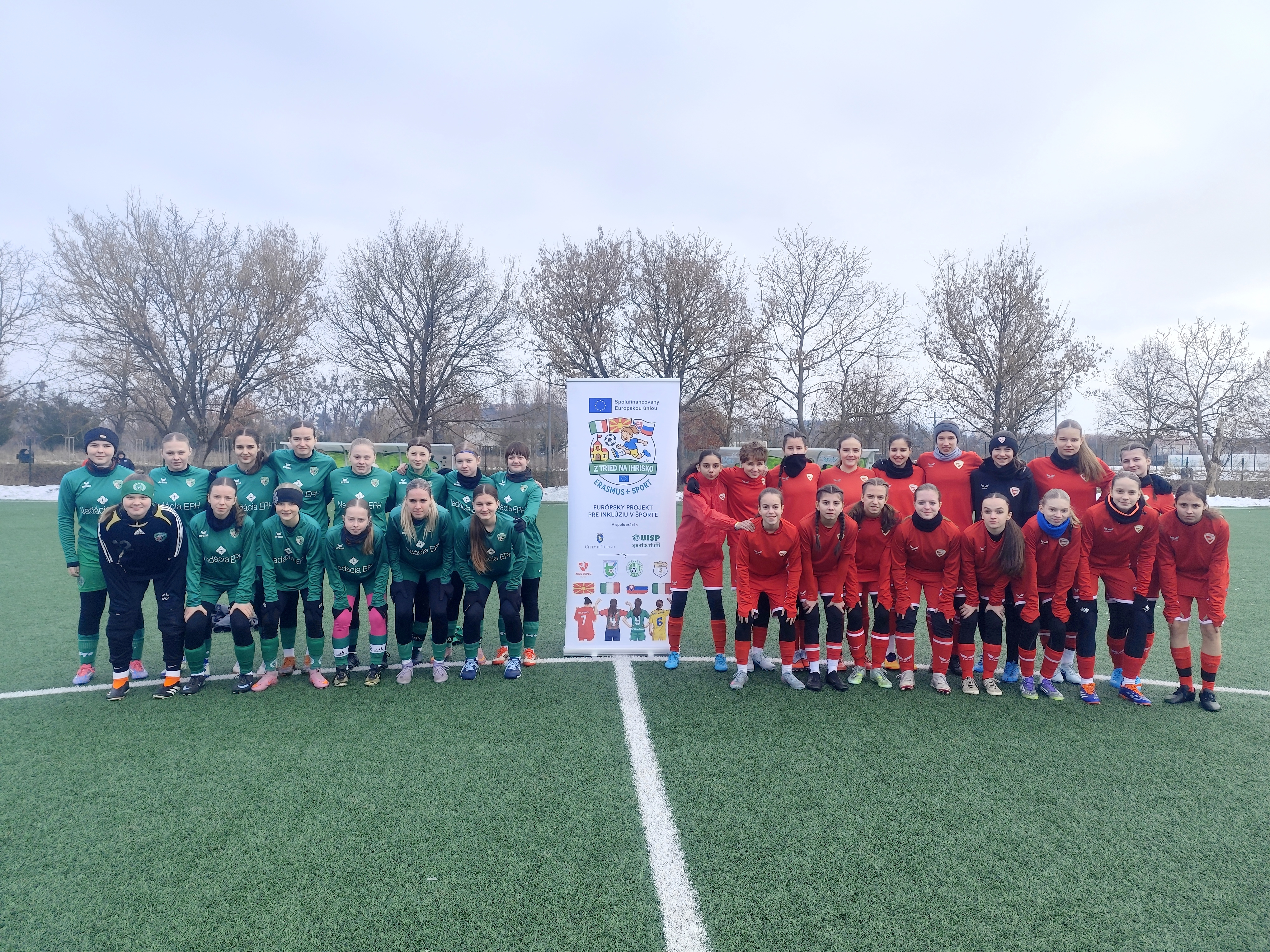
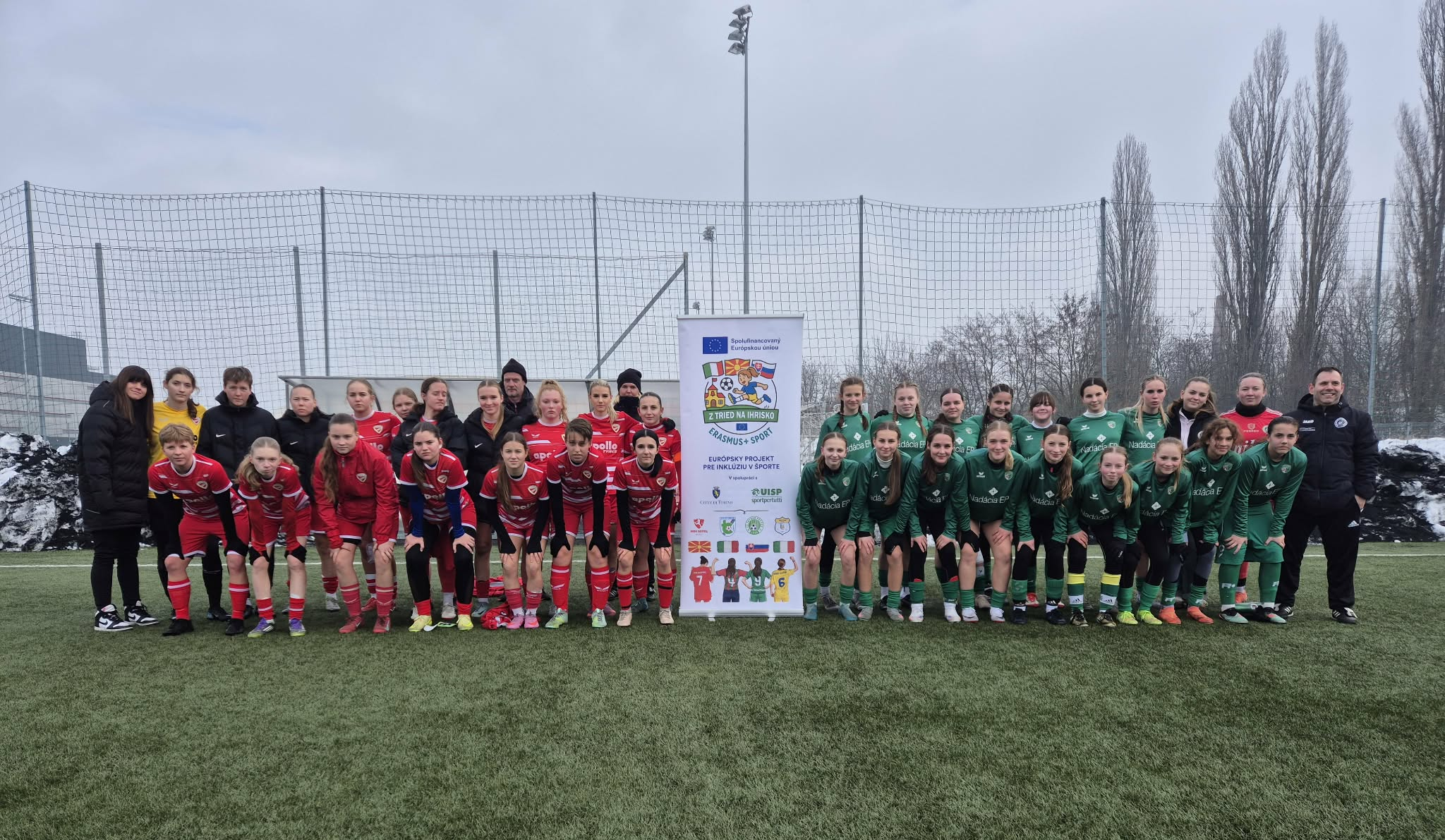
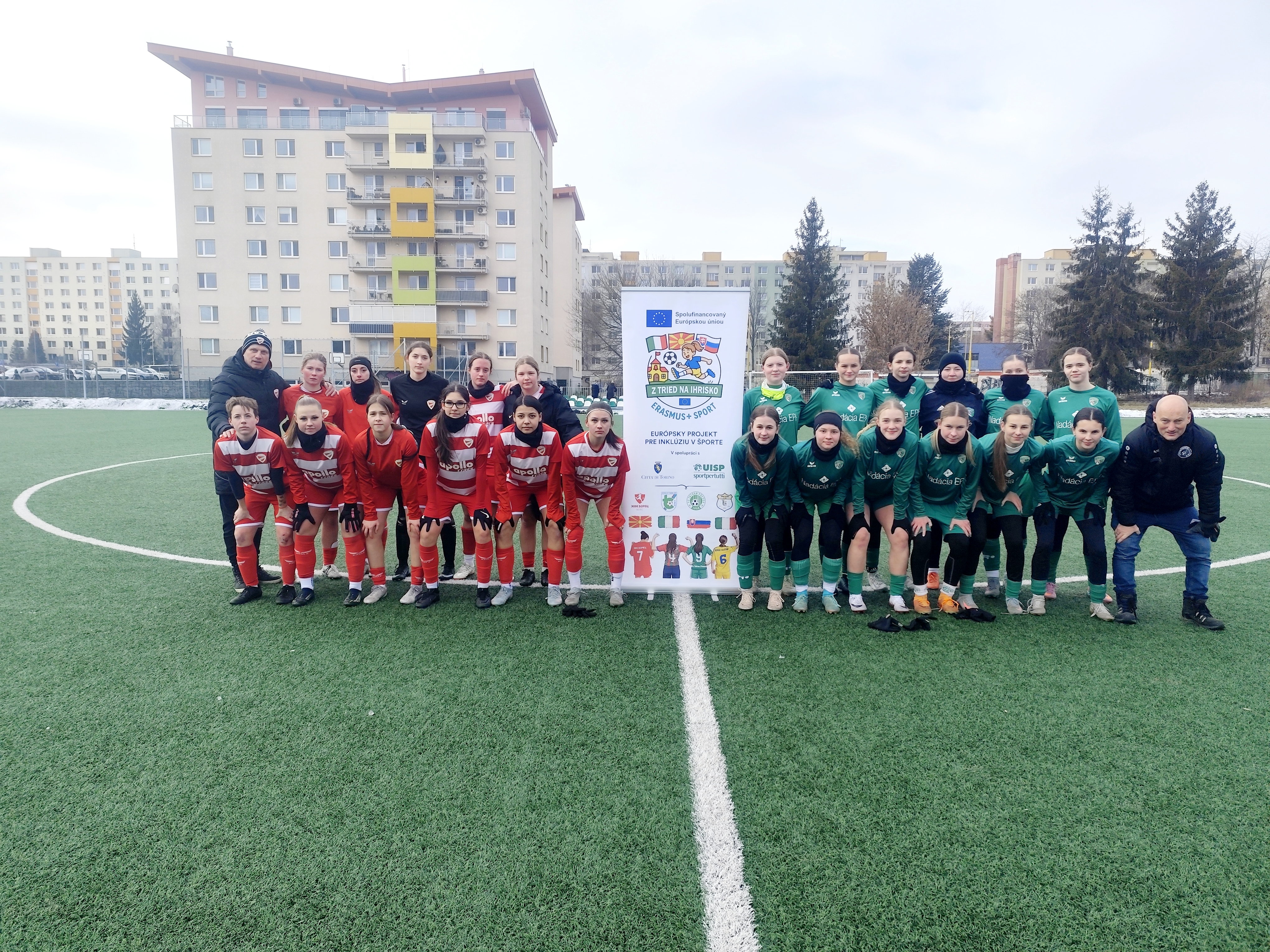
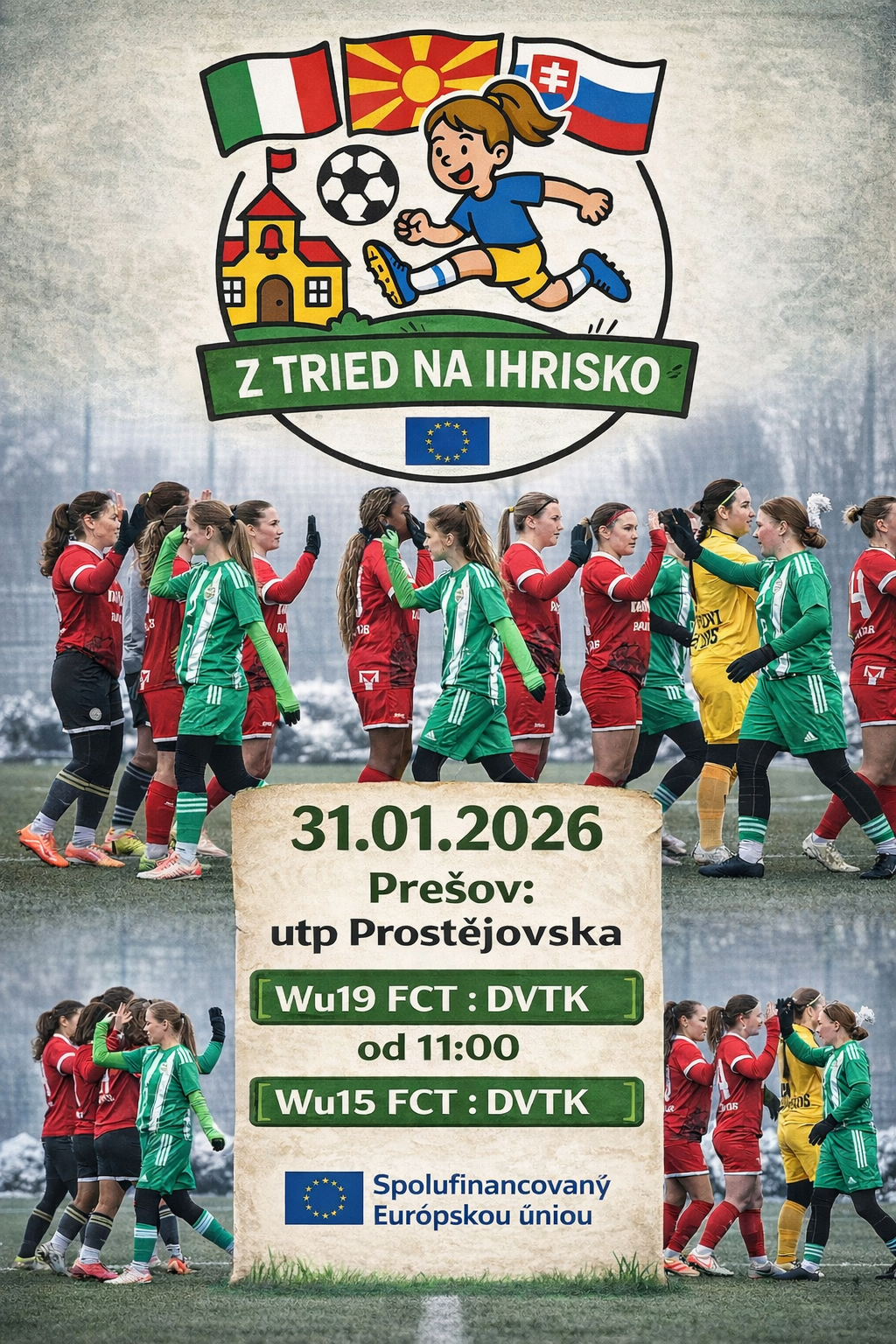
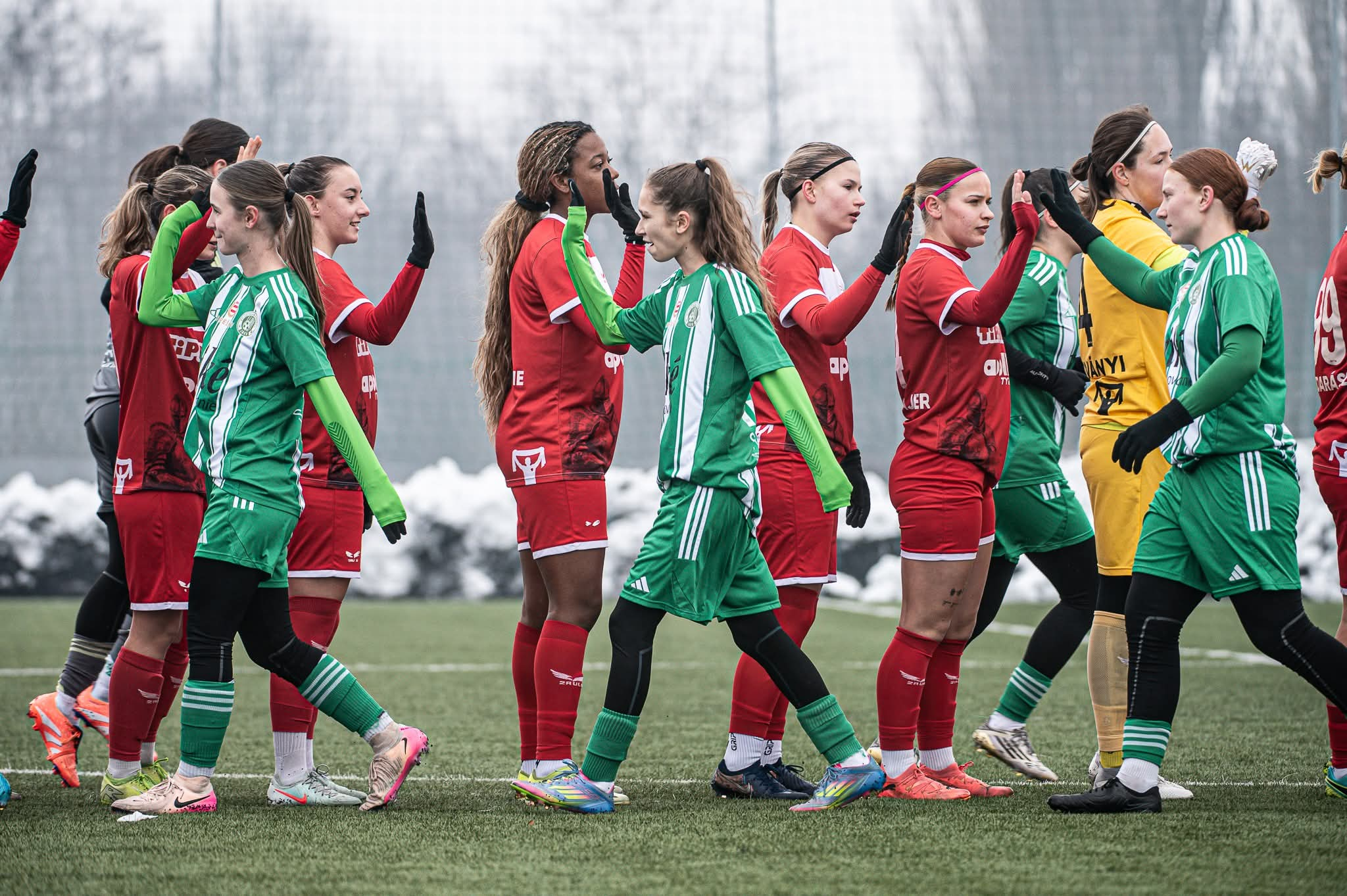
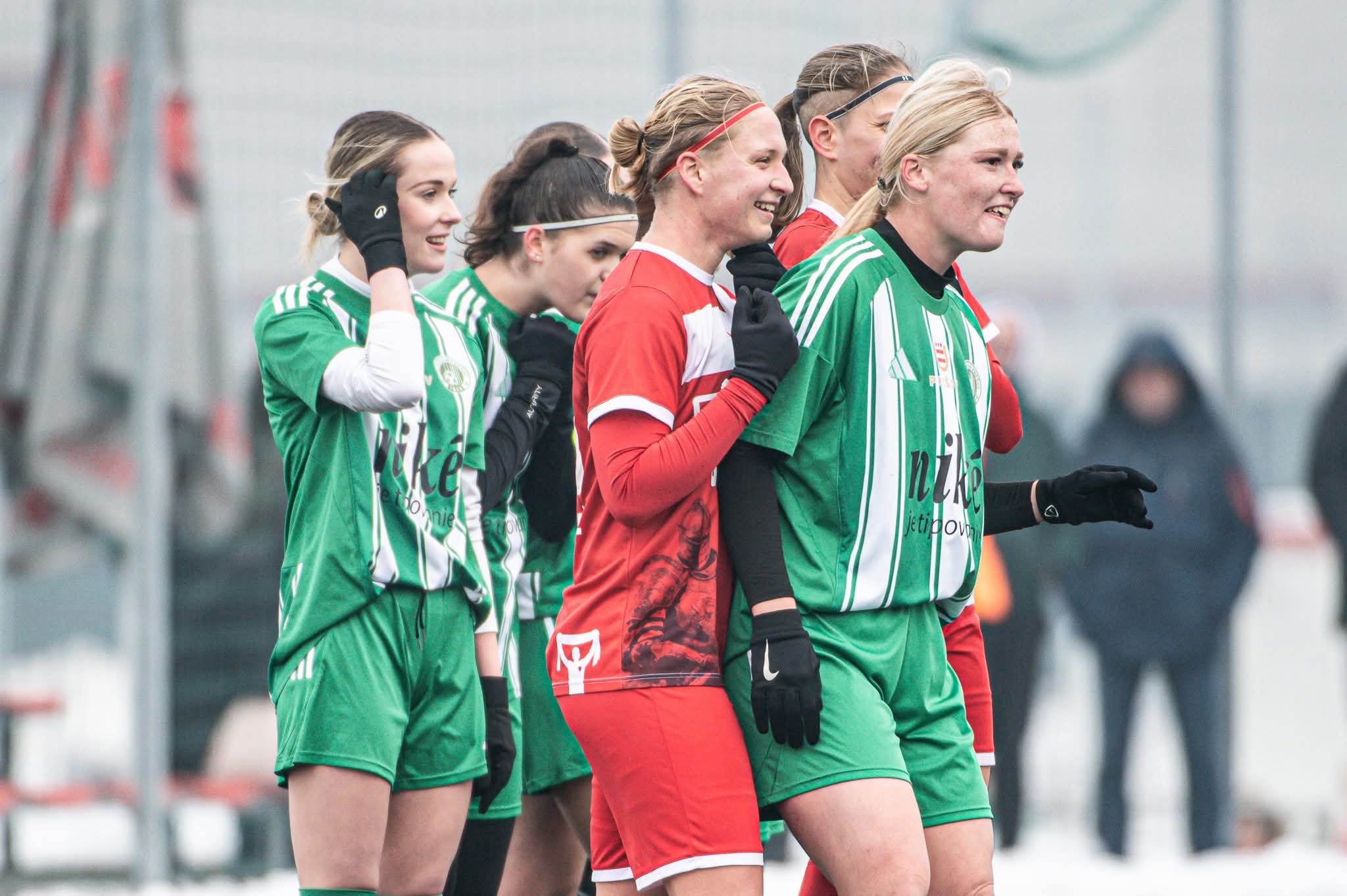
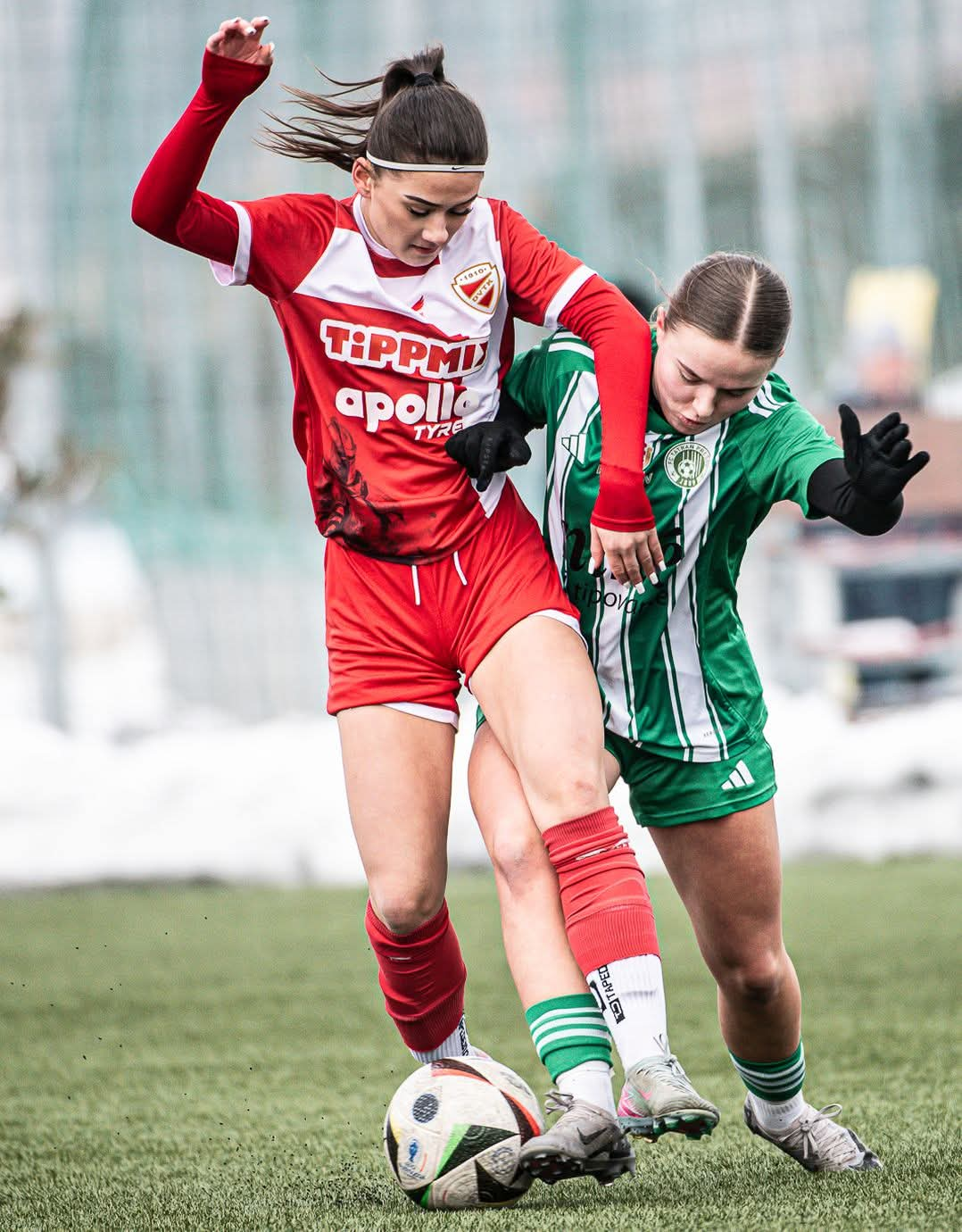
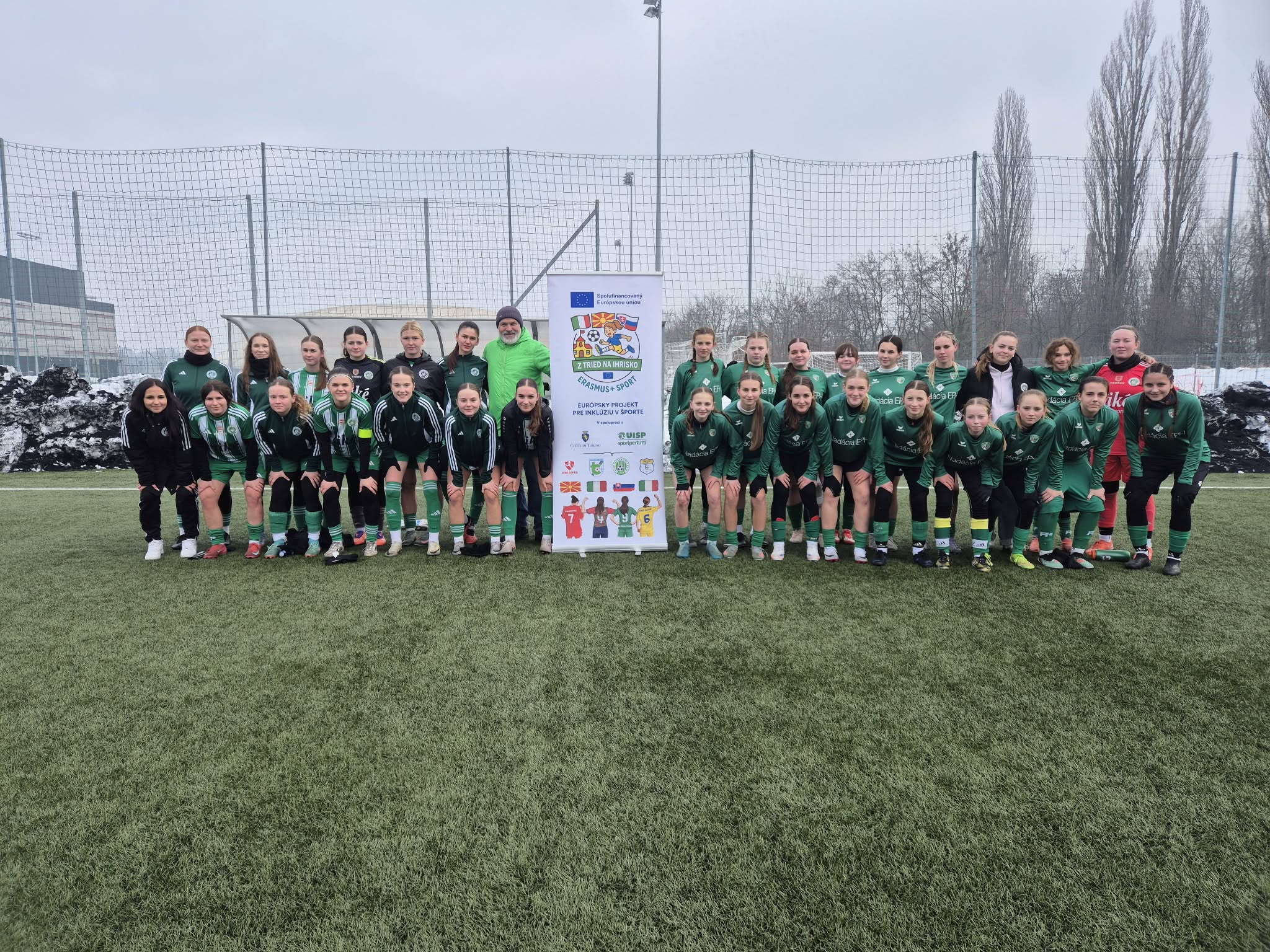
On January 31, 2026, as part of the Erasmus+ Sport project “From the Classroom to the Pitch” (women’s football), funded by the European Union, two friendly matches were held in Prešov at the FC Tatran Prešov Academy.
After the double match hosted the previous week by the DVTK Miskolc Academy in Hungary, this time we welcomed our Hungarian partners to Prešov. Alongside the matches, the meeting also offered an important opportunity for discussion and exchange of experiences between the clubs involved in the project.
Coaches, staff members and project representatives talked about the current situation of women’s football in their respective countries, sharing ideas on how to further improve the quality of training, create more opportunities for young girls and increase the visibility of women’s football in local communities.
Particular attention was given to the role of schools and grassroots sport in encouraging girls to take up football, as well as to the importance of cooperation between clubs from different countries in order to exchange knowledge and good practices.
These meetings represent an important step in strengthening international cooperation between the partners. Through sporting activities, discussions and shared experiences, the project continues to contribute to the development of women’s football and to the promotion of positive values such as teamwork, inclusion and equal opportunities.
We return from this meeting with valuable experience, new ideas and renewed motivation that we will bring into our continued work with the girls.
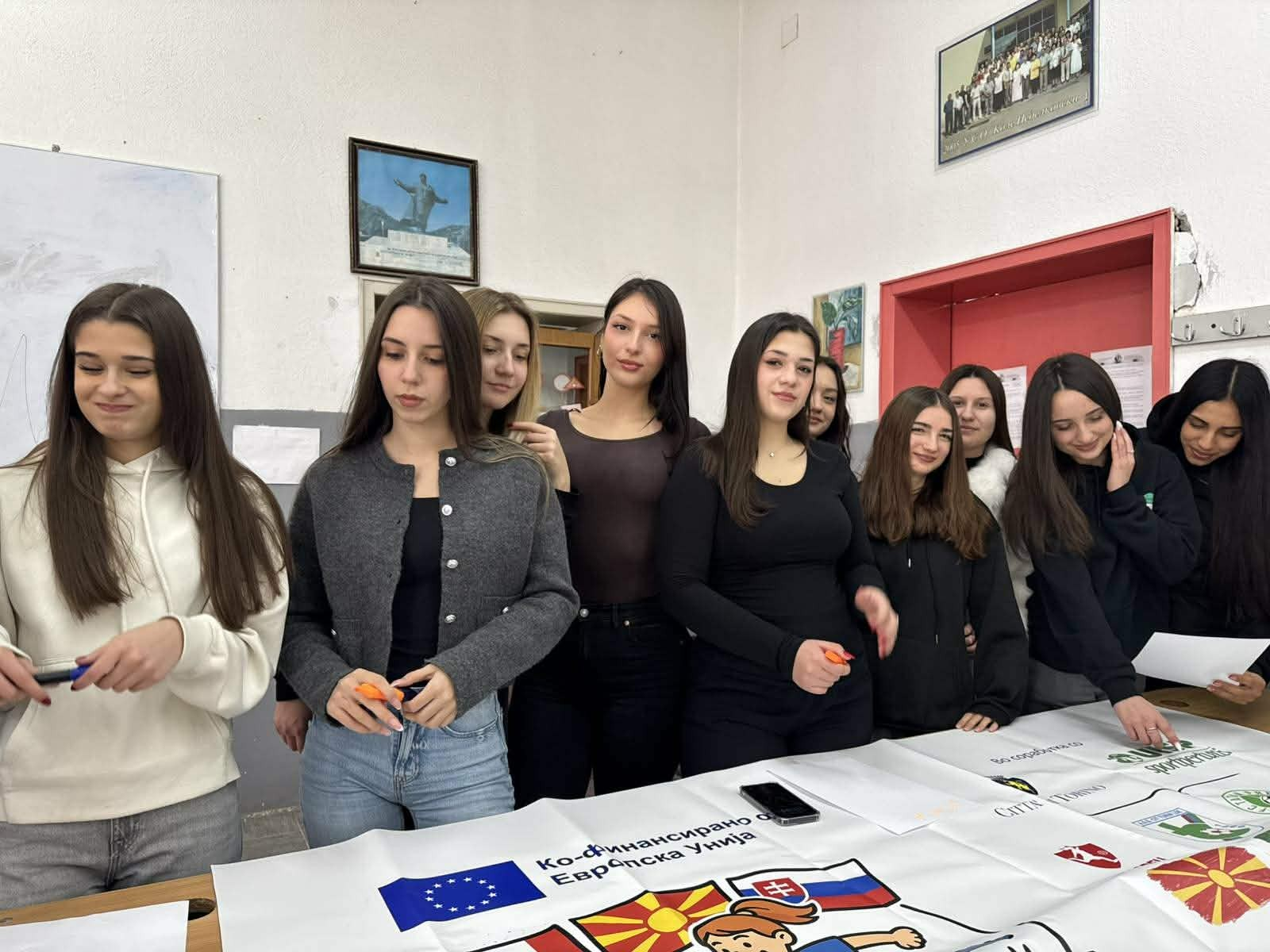
The activity Building Confidence through Sport was implemented within the Erasmus+ Sport project From Classroom to the Pitch, with the main objective of strengthening participants’ self-confidence, personal development and social skills through sport-based and non-formal learning approaches. At the same time, the activity aimed to motivate girls to move from the school classroom to active participation in women’s football.
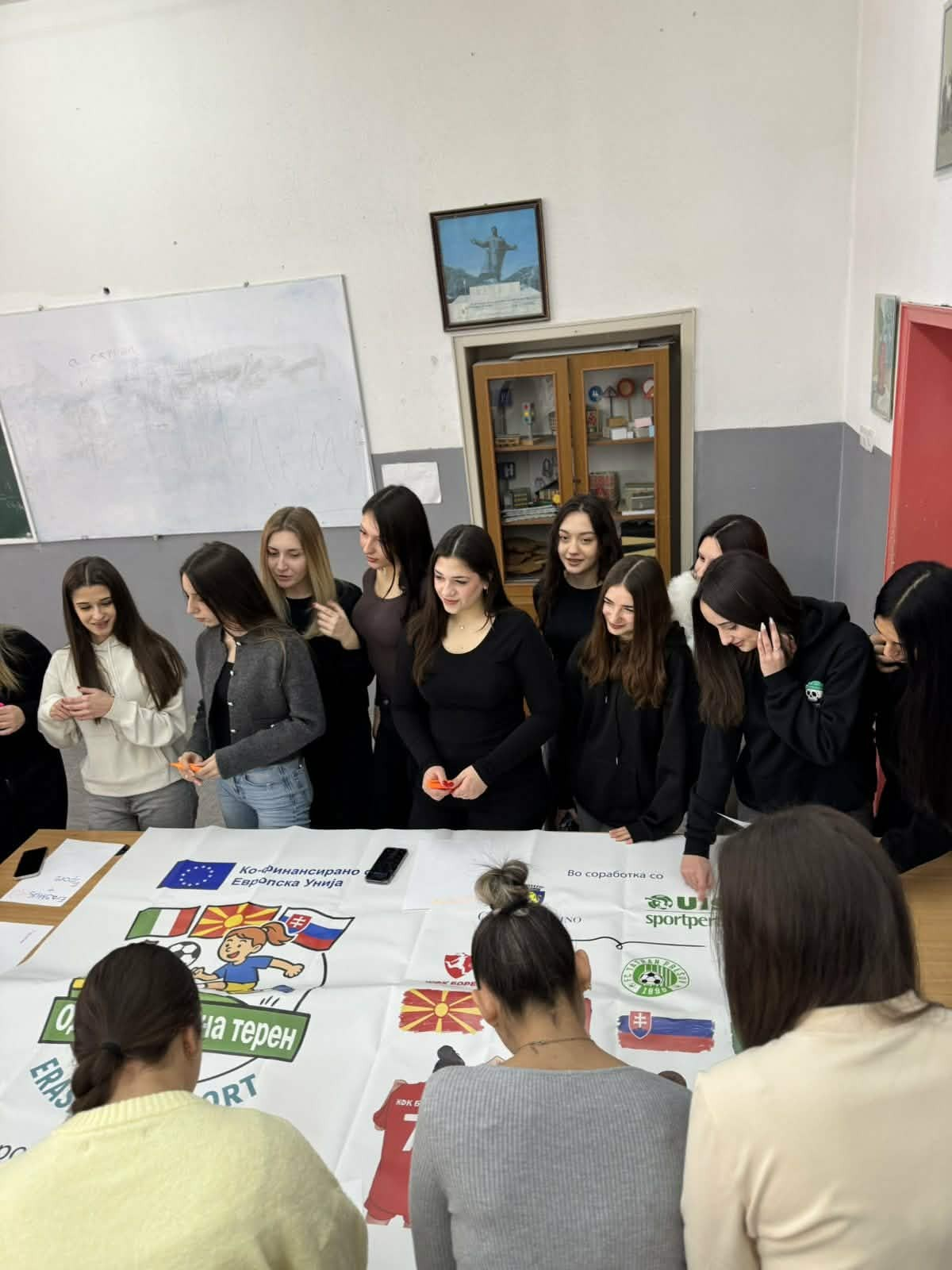
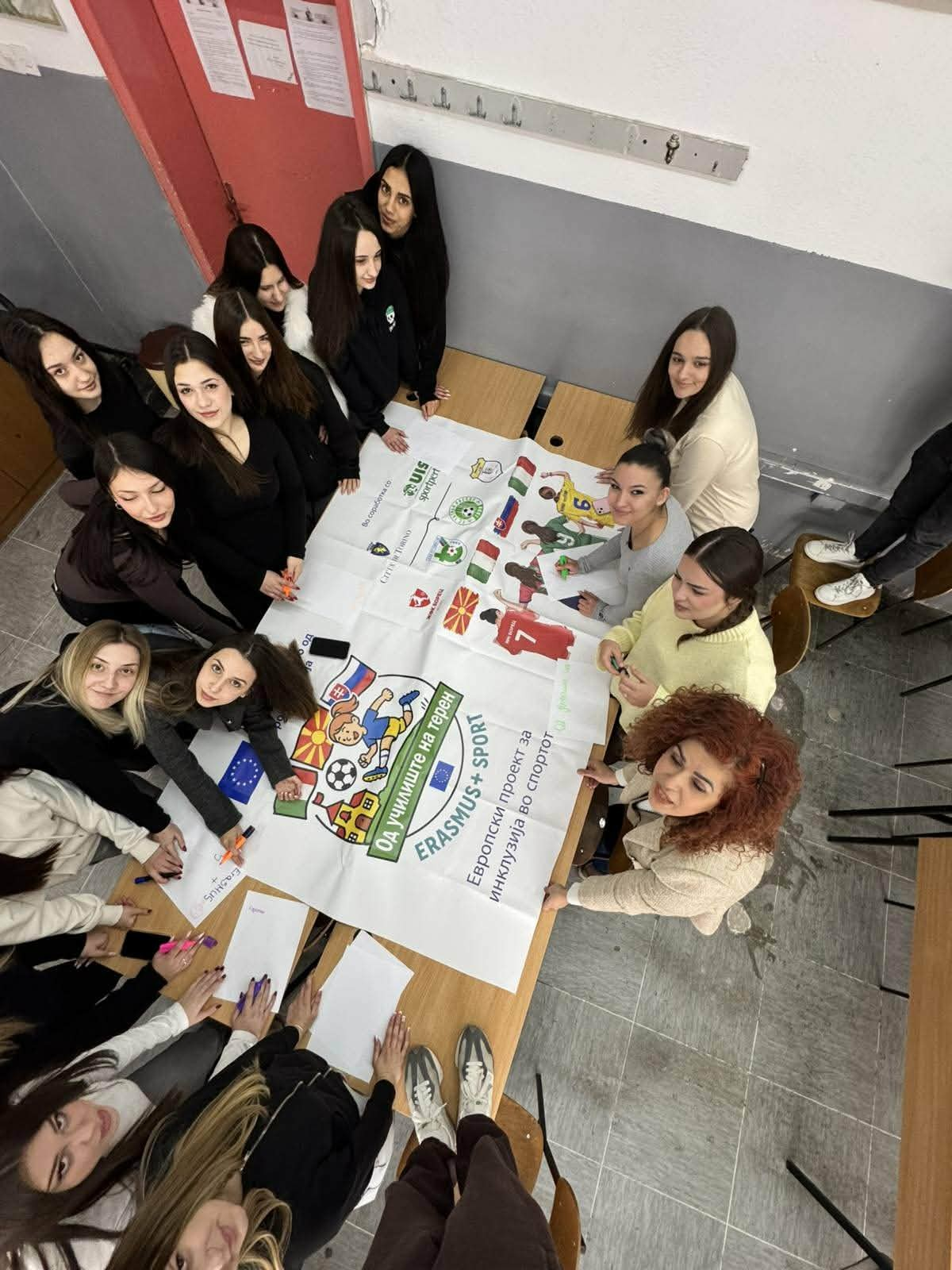
The activity was organised in two interconnected phases, clearly reflecting the concept and title of the project. It began with theoretical sessions in a classroom setting, where participants worked in small groups and discussed topics such as self-confidence, teamwork, communication, motivation and overcoming stereotypes related to girls’ participation in sport. Particular attention was given to helping girls see sport, and especially football, as an accessible and empowering space for personal growth.
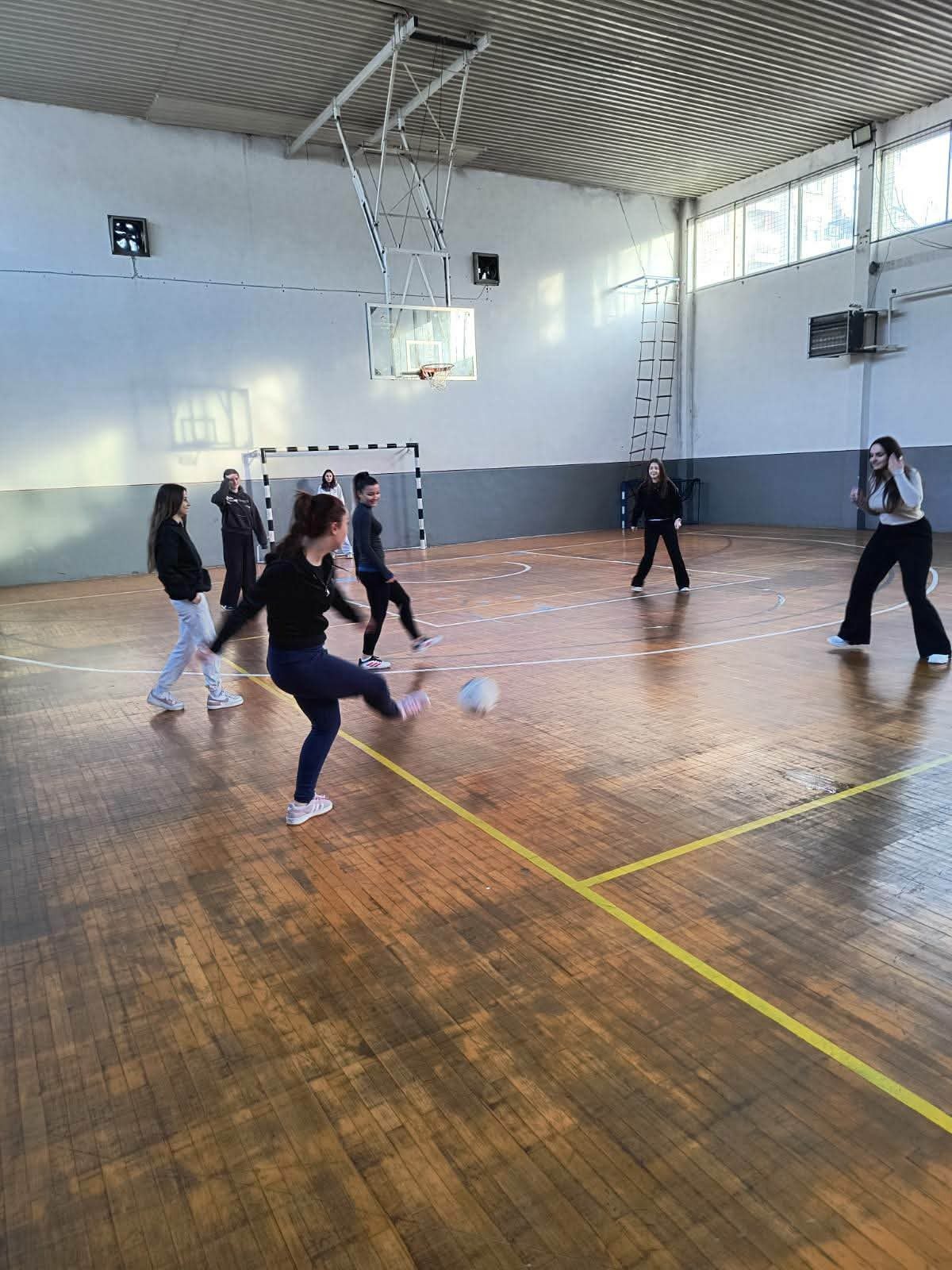
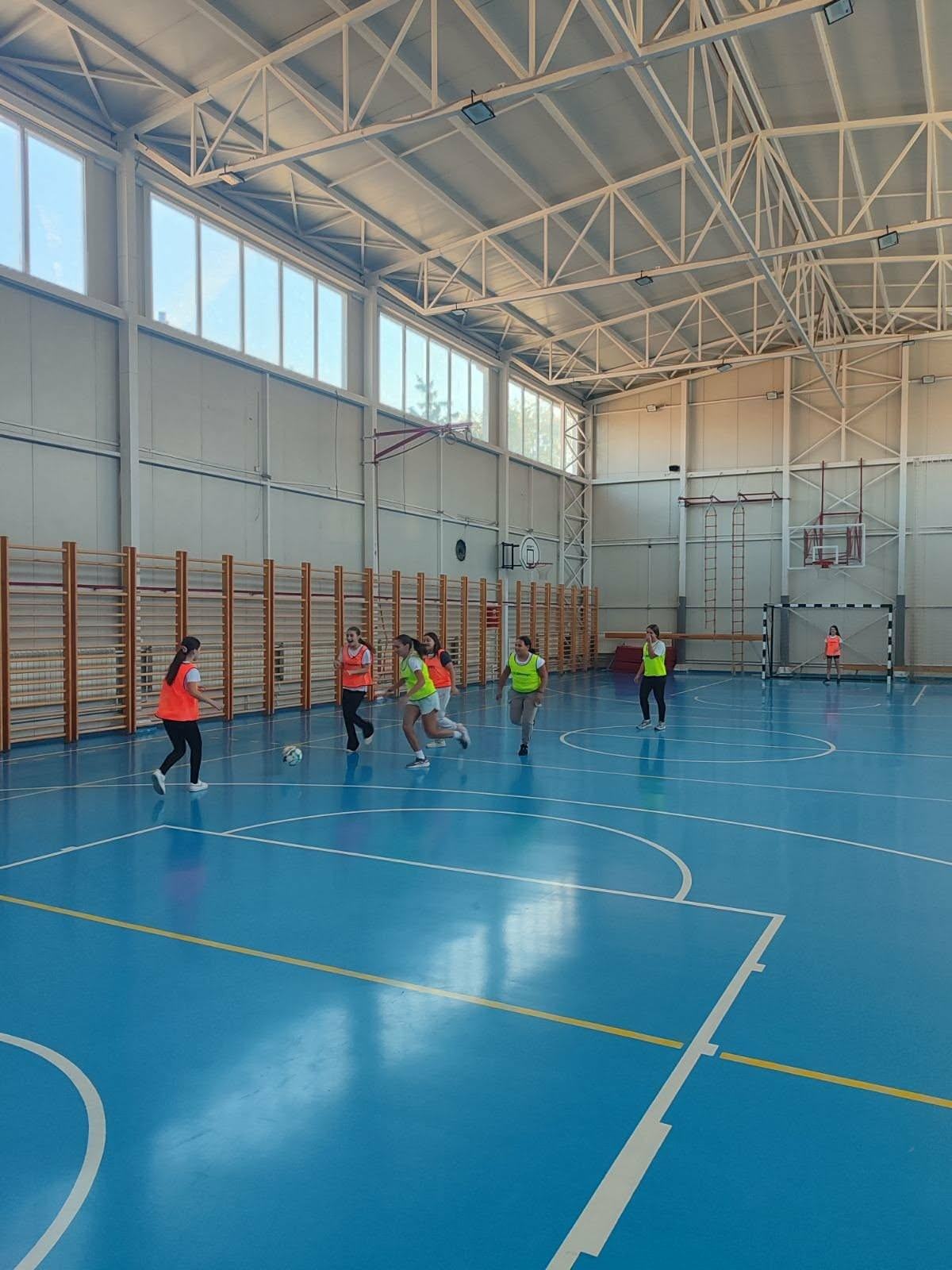
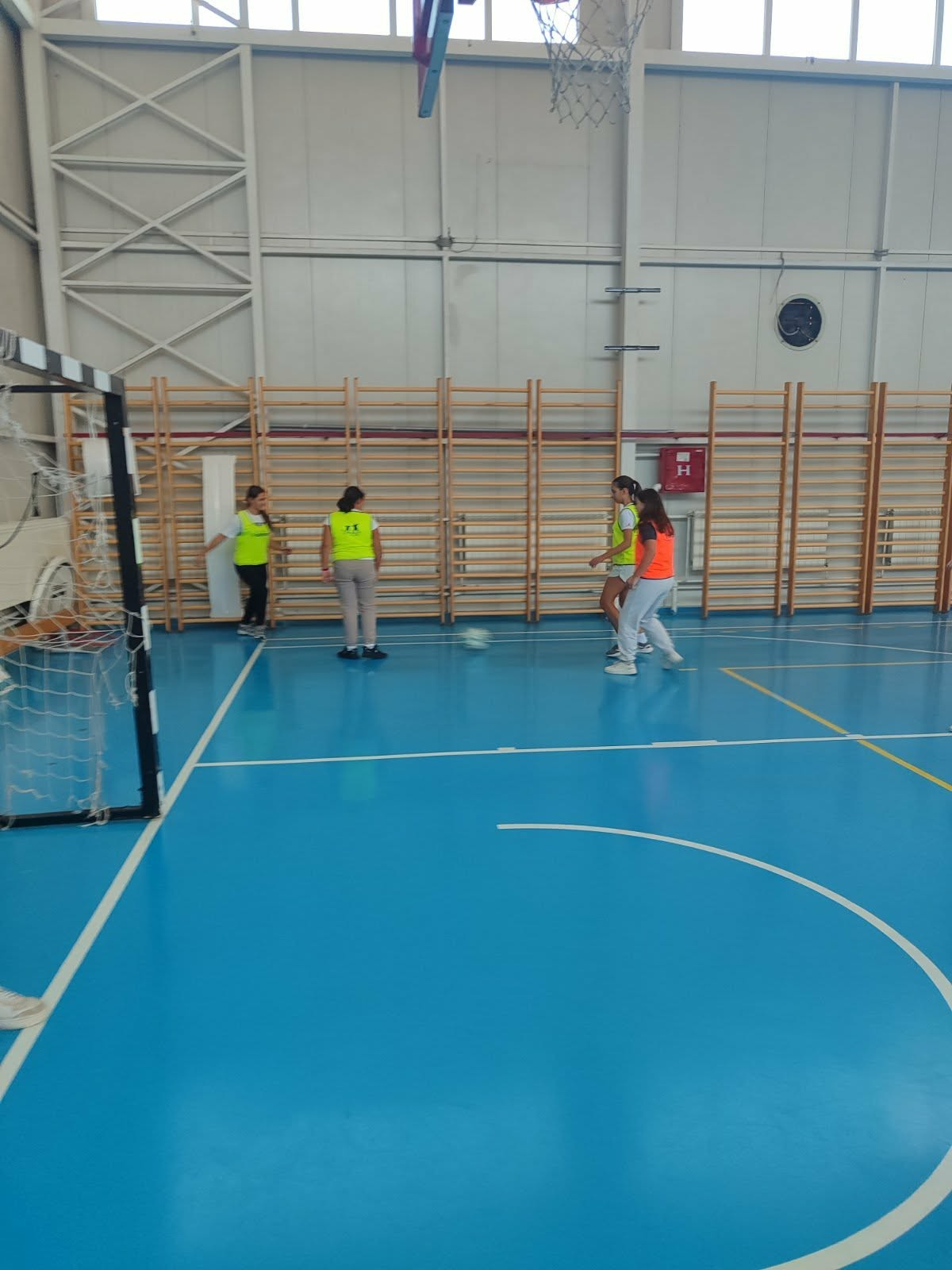
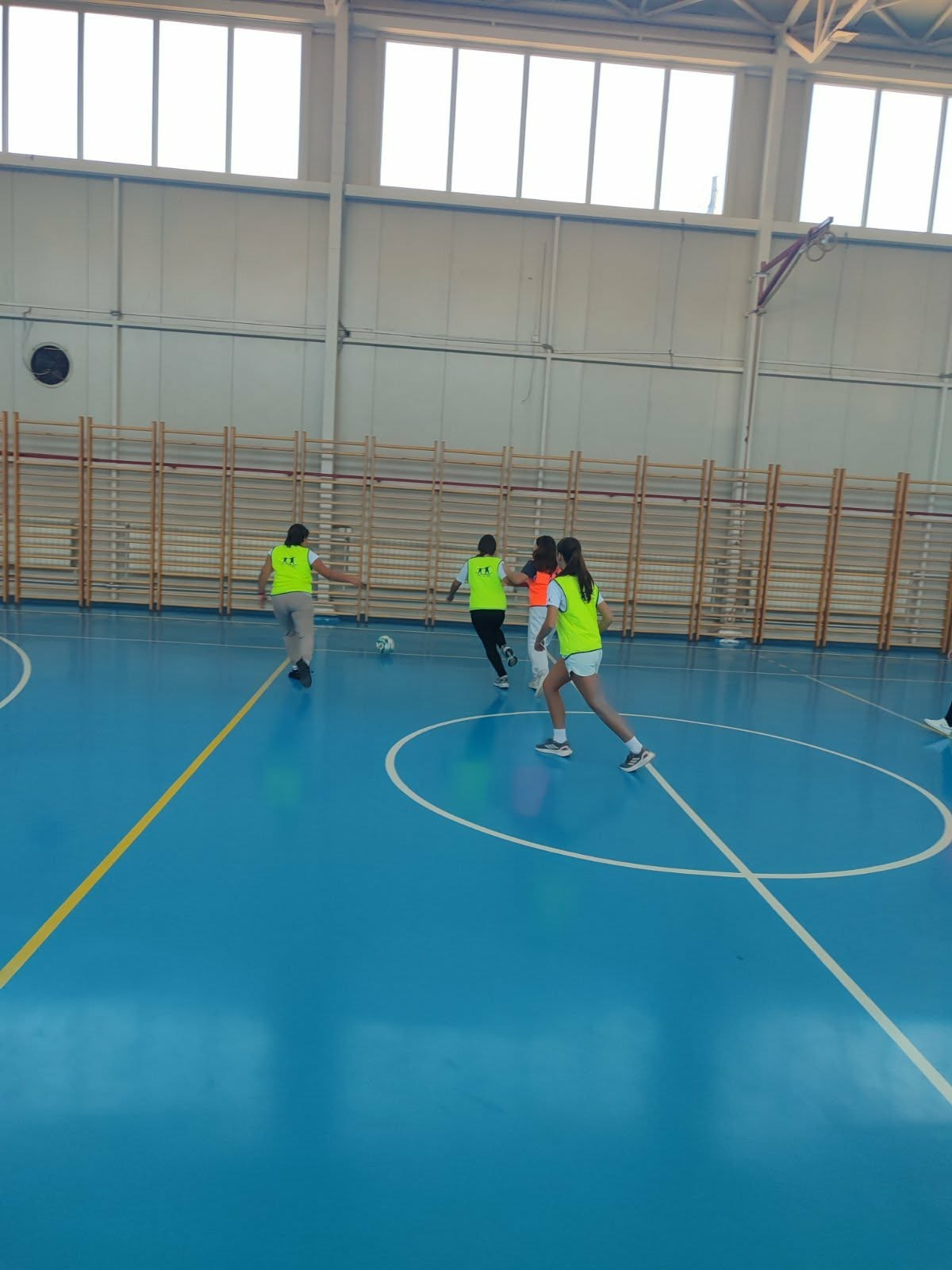
In the second phase, the activity moved to the sports hall, symbolically and practically representing the transition from the classroom to the pitch. Through team-based football exercises, cooperative games and practical challenges, participants were introduced to the basics of women’s football and experienced the positive impact of physical activity, teamwork and fair play. These activities helped reduce hesitation and fear related to joining a football team and increased the girls’ motivation to engage in organised women’s football.
Throughout the activity, non-formal education methods were used, including group work, experiential learning, interactive discussions, practical tasks and reflection sessions. This approach enabled participants to connect school-based learning with real sport experiences and to understand football as a powerful tool for inclusion, confidence-building and empowerment.
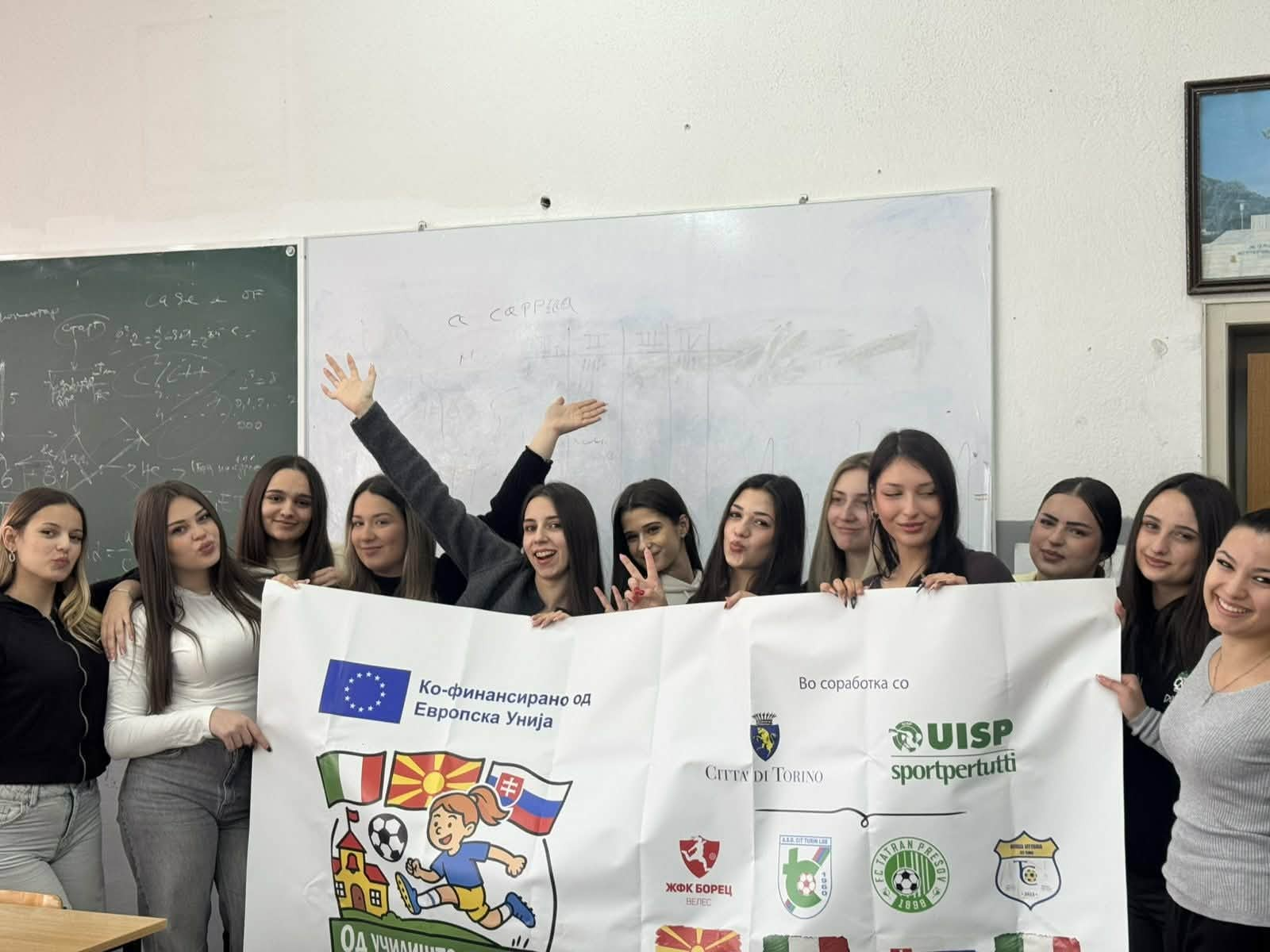
The activity involved 16 participants from the school Kole Nedelkovski in Veles, who demonstrated high motivation and active participation. Through continuous encouragement and peer support, the girls were supported in taking their first steps from the school environment toward structured sport activities, including local women’s football clubs.
As a result of the activity, participants increased their self-confidence, improved their communication and teamwork skills and developed a more positive attitude toward women’s football. Several girls expressed interest in continuing their involvement in football and exploring opportunities to join local initiatives.
Overall, the activity successfully contributed to the objectives of the project by strengthening the connection between school education and sport, and by encouraging girls to take their first steps from the classroom to the pitch.
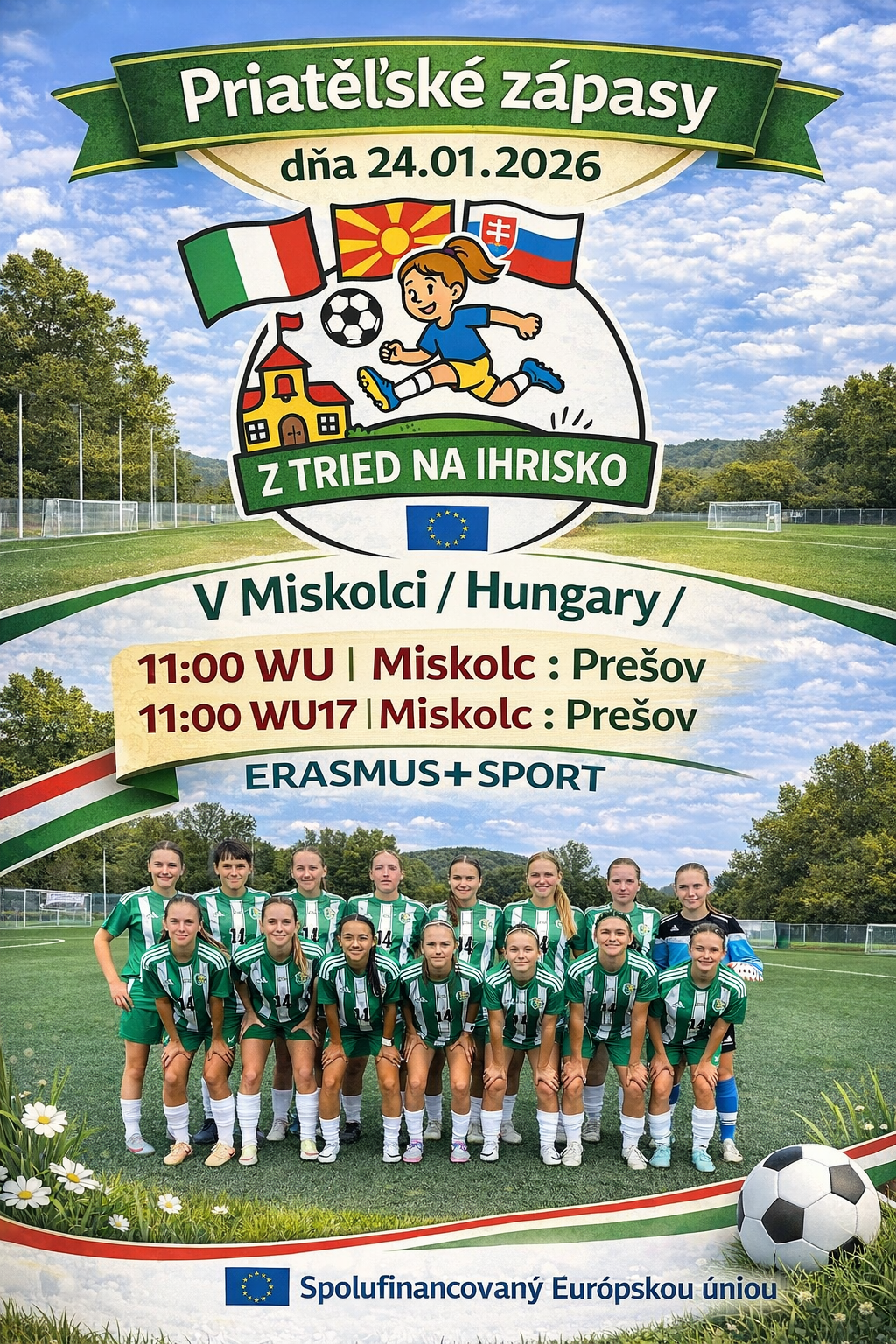
On January 24, 2026, as part of the Erasmus+ Sport project “From Classrooms to the Pitch | Women’s Football: Educate & Engage, Empower & Inspire”, funded by the European Union, two international preparatory matches were held in Hungary at the DVTK Miskolc Football Academy. The activity represented an important opportunity for sporting exchange, learning, and international cooperation between clubs involved in the development of women’s football.
The visit took place at the modern DVTK Miskolc Academy, one of the most advanced football training centers in the region. The academy offers excellent infrastructure and professional conditions for player development, including eight football pitches, modern changing rooms, a fully equipped gym, offices, a canteen and dedicated training facilities that support the daily work of coaches, players, and staff. These high-quality facilities reflect the strong commitment of the club to youth development and the growth of women’s football.
The DVTK women’s team competes in the top Hungarian league and operates at a professional level, with a squad composed of both domestic and international players. In contrast, the FC Tatran Prešov women’s team is composed primarily of amateur players who combine football with school or work commitments. This difference made the sporting confrontation particularly valuable, offering an opportunity to compare different training environments, levels of professionalization, and approaches to player development in women’s football across Europe.
Within the Erasmus+ project consortium, FC Tatran Prešov represents the partner with the strongest international sporting experience. The club regularly participates in international matches and training exchanges, bringing valuable expertise in player development and cross-border cooperation in women’s football. Their involvement in this activity therefore contributed significantly to strengthening the international dimension of the project and to transferring practical knowledge and experience to the other partners involved.
Before the matches, the visiting delegation was welcomed by the host club’s officials, who presented the academy’s facilities, organizational structure, and daily training environment. This introductory tour provided an excellent opportunity for informal discussions between coaches and staff, allowing them to exchange experiences and best practices related to youth training, talent development, and the promotion of women’s football.
The games were played in a competitive but friendly atmosphere and offered valuable playing time and international exposure for all participants. After strong performances from the visiting teams, FC Tatran Prešov achieved victories in both matches. Beyond the sporting results, the matches provided an important learning experience for the players. Facing opponents who compete at a higher professional level allowed the girls to test their abilities, improve their tactical awareness, and gain confidence through international competition.
The visit also contributed to disseminating the objectives and activities of the Erasmus+ project beyond the three partner countries involved in the consortium. By organizing matches with an external club in Hungary, the project partners had the opportunity to present the initiative, share its goals, and raise awareness about the importance of promoting women’s football and girls’ participation in sport across Europe.
The delegation returned from Hungary with valuable sporting experiences, strong memories and new inspiration that will be integrated into their ongoing work with young female players. The lessons learned during this exchange will contribute to improving training approaches, motivating the girls, and continuing to support the development of women’s football within the local community while strengthening international cooperation in the field of sport.
As part of the Erasmus+ Sport project “From Classrooms to the Pitch | Women’s Football: Educate & Engage, Empower & Inspire”, a motivational football training session for girls was successfully organized with the aim of promoting women’s football and encouraging greater participation of girls in sport from an early age.
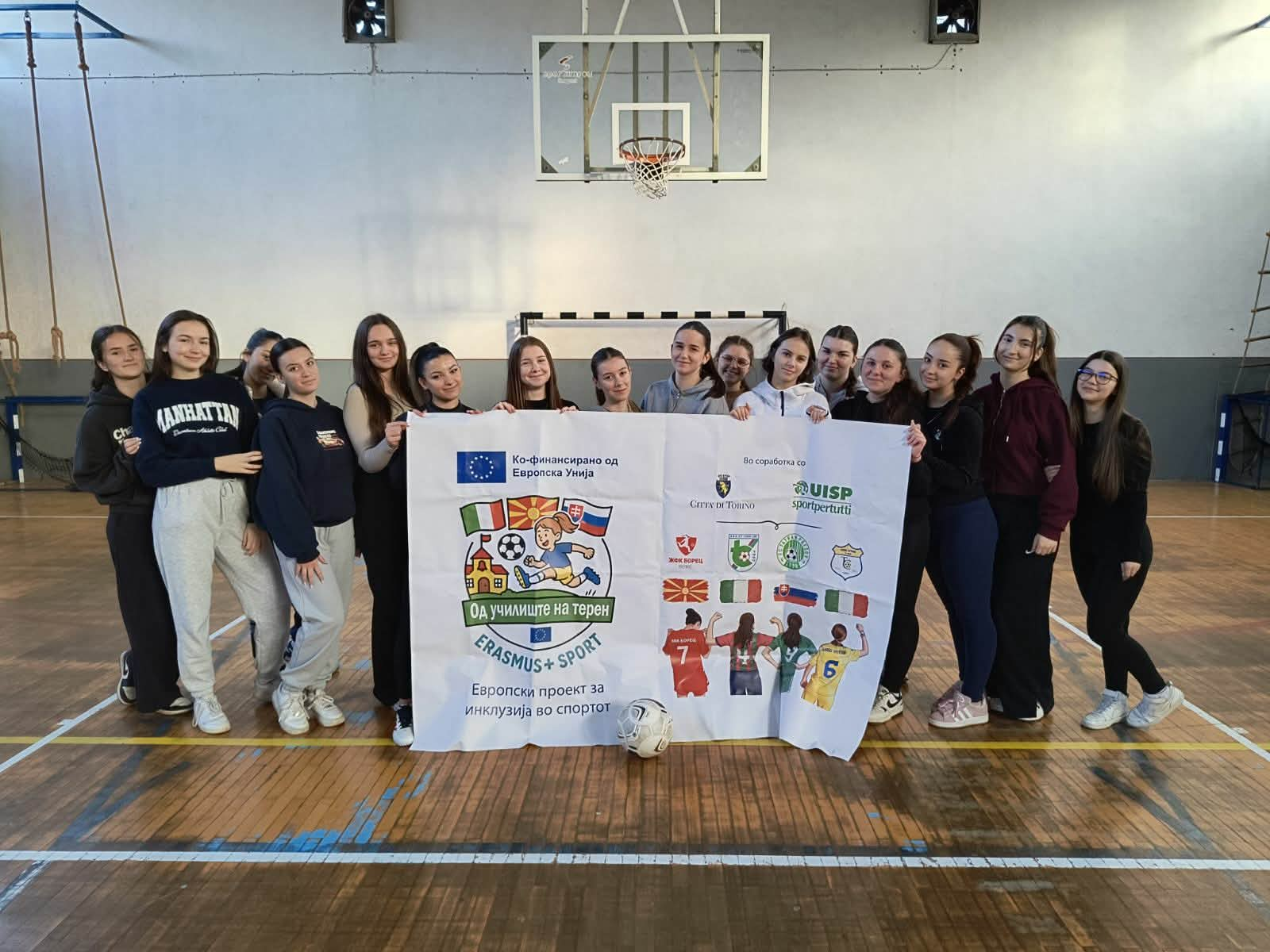
The activity took place at Primary School “Blaze Koneski” in Veles, bringing together young girls in an engaging and inspiring environment where they could discover the values of football and physical activity. The session was designed not only as a sports activity but also as an educational experience promoting teamwork, confidence-building, gender equality, and healthy lifestyles.
The training was led by qualified coaches, who guided the participants through a series of age-appropriate activities focused on basic football techniques, movement coordination, ball control, and interactive team exercises. Through dynamic drills and fun games, the girls had the opportunity to experience football in a positive and supportive setting, helping them build confidence and enthusiasm for sport.
A key component of the session was the emphasis on motivation, inclusion and empowerment. Coaches encouraged every participant to take an active role, highlighting that football is a sport open to everyone and that girls have the same opportunities to develop their skills and passion for the game. The activities were structured to ensure that all participants felt comfortable, supported, and encouraged to express themselves through sport.
In addition to the practical training, the session included moments of discussion and reflection where participants learned about the importance of regular physical activity, the growing role of women’s football in Europe, and how sport can contribute to personal development, self-confidence, and social inclusion. The girls were also encouraged to continue practicing football both within school activities and by joining local sports clubs.
The initiative contributed to raising awareness about equal opportunities in sport and strengthened the collaboration between educational institutions and local football organizations. By bringing football directly into the school environment, the activity helped reduce barriers that often prevent girls from engaging in sport at an early age.
The training session generated great enthusiasm among the participants and received very positive feedback from both the students and the school staff. Their response confirmed the importance of continuing similar initiatives that inspire girls to stay active and explore opportunities in football and sport more broadly.
Through activities like this, the Erasmus+ project “From Classrooms to the Pitch | Women’s Football: Educate & Engage, Empower & Inspire” continues to play a significant role in empowering young girls, promoting healthy habits and fostering long-term interest in women’s football within local communities across Europe.
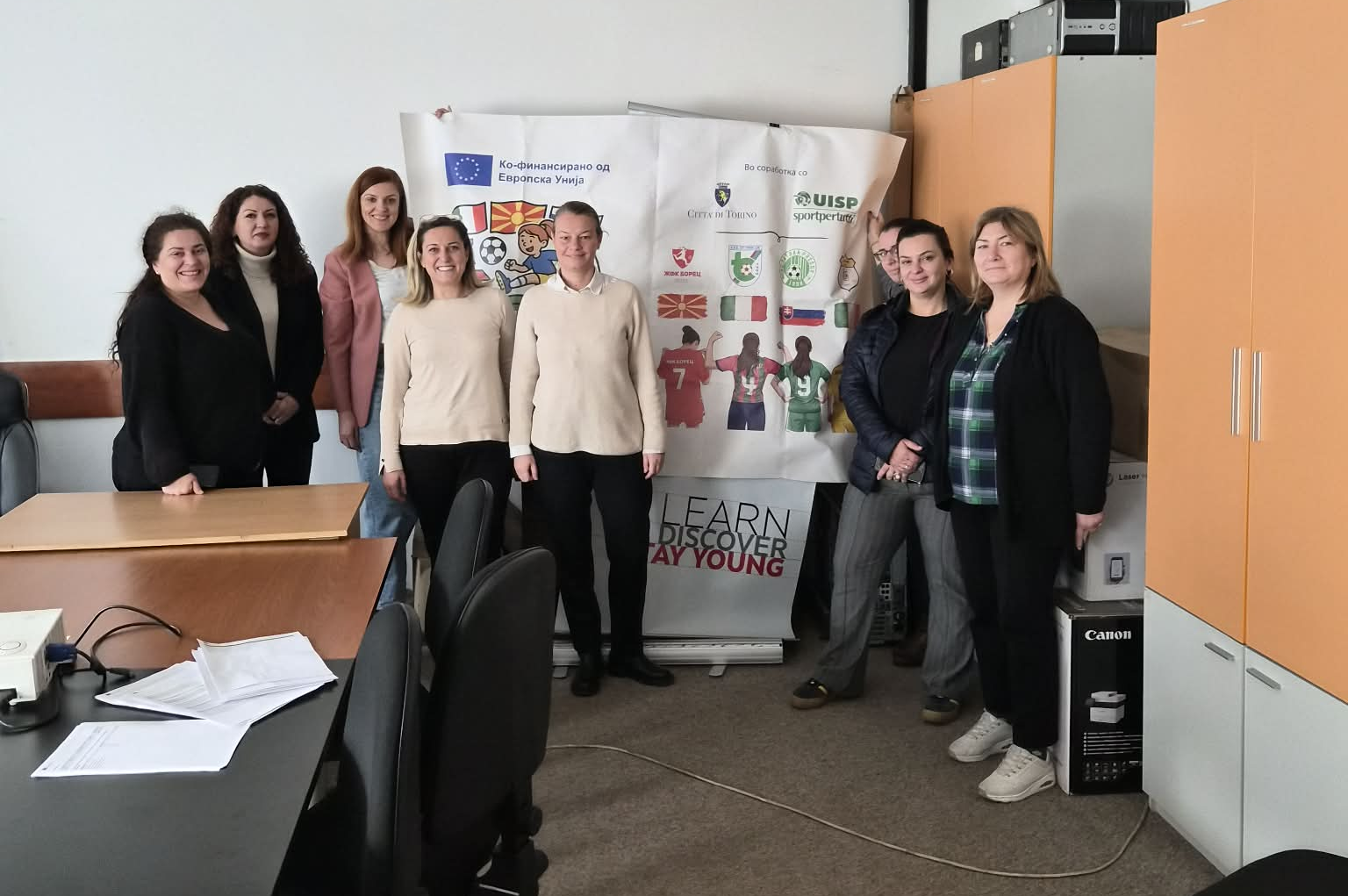
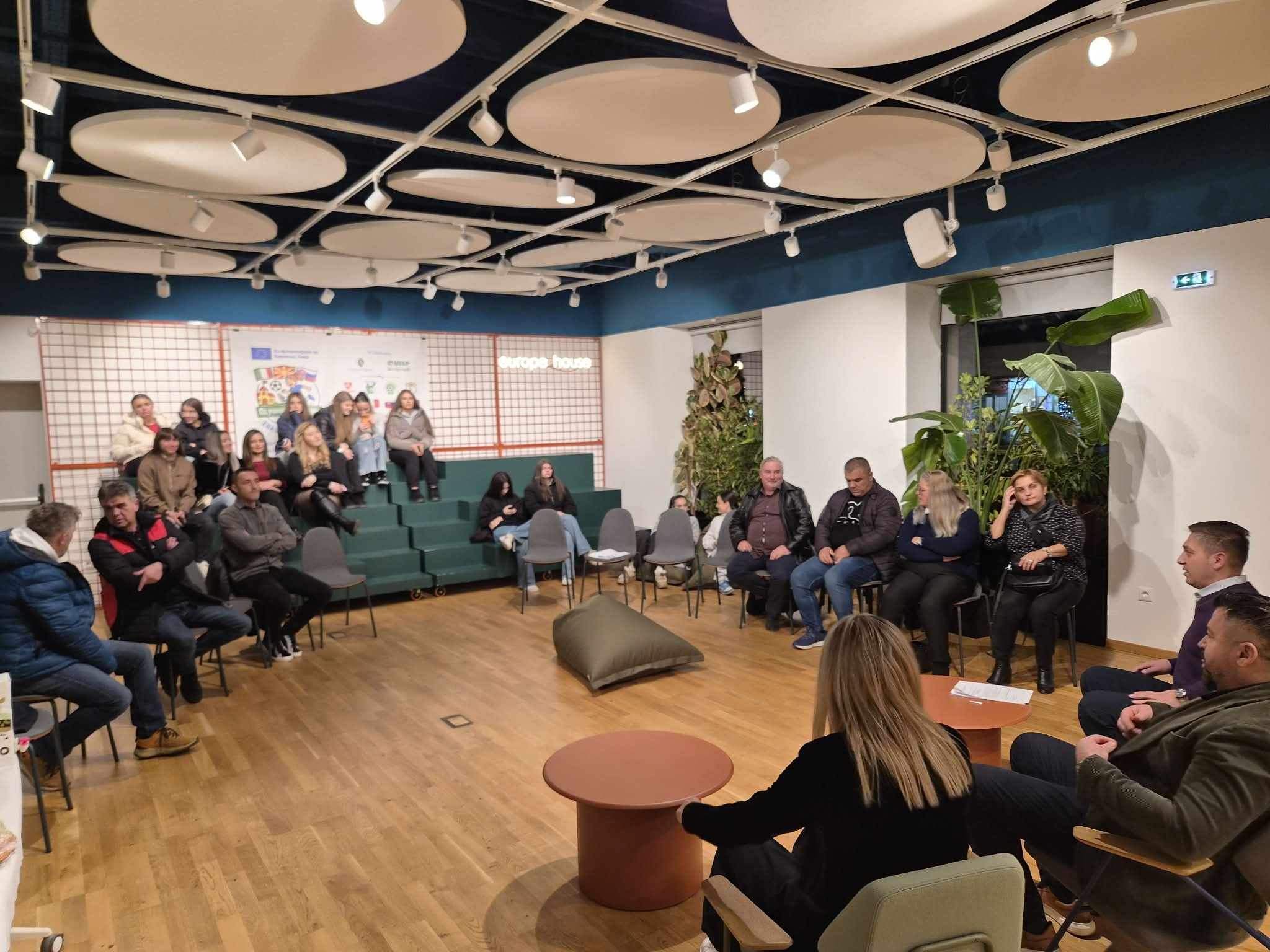
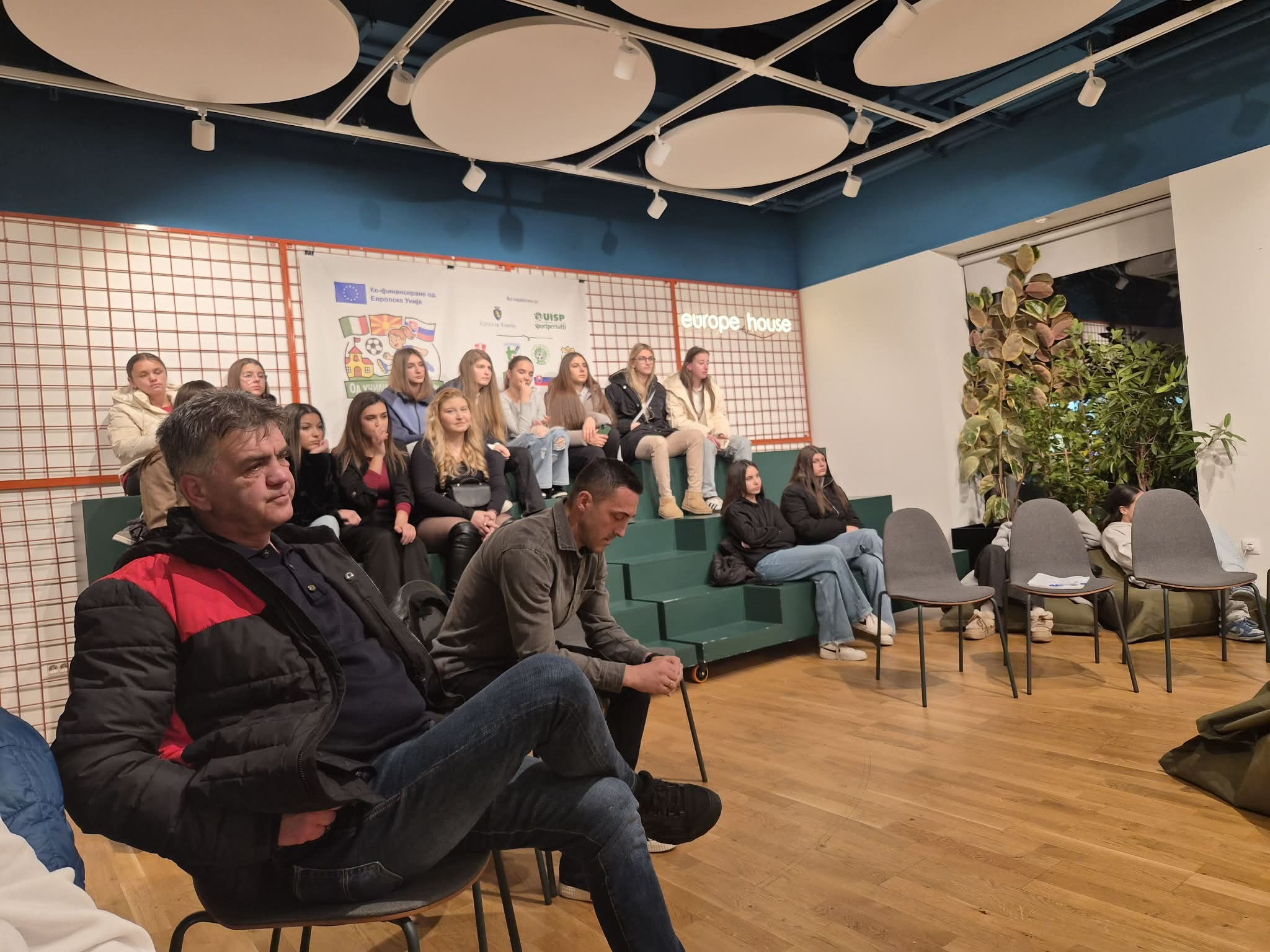
The activity “Stable Mind, Strong Team – Psychological Tools for Competition” was organised as an educational and reflective moment dedicated to the psychological well-being and personal development of female football players and girls.
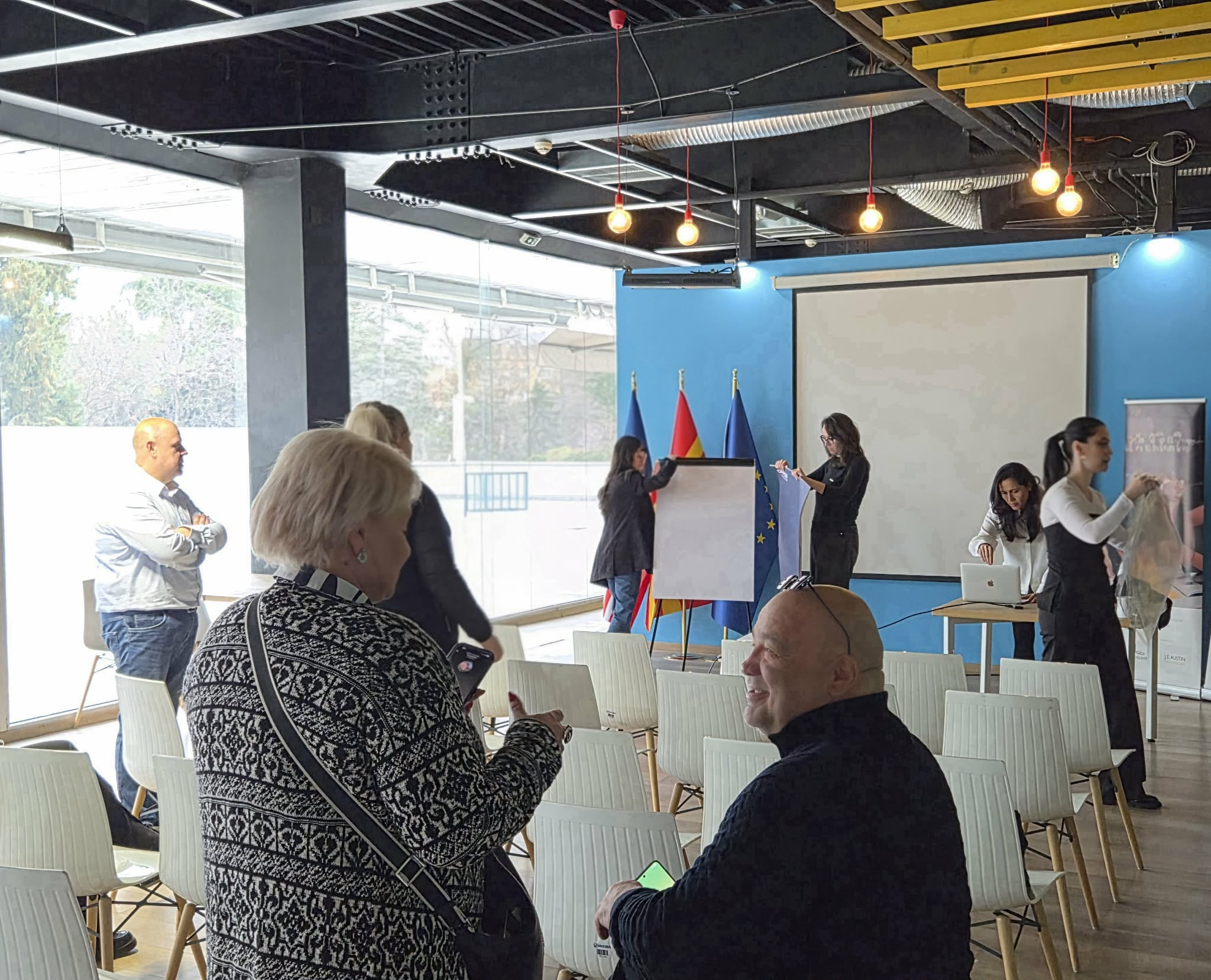
The initiative was designed to strengthen psychological preparedness, emotional stability and team cohesion by providing practical tools that can be applied in competitive environments. The session highlighted the role of football not only as a sporting activity, but also as a powerful educational tool capable of fostering confidence, resilience and empowerment among women and girls.
The workshop was delivered as an interactive educational session that brought together psychological expertise, elite sporting experience, leadership perspectives and academic insights into lifelong learning. Through open discussion and practical examples, the participants explored key themes such as stress management, emotional regulation, focus under pressure, motivation, self-confidence and team dynamics. Particular emphasis was placed on how psychological preparation can positively influence both individual performance and collective success.
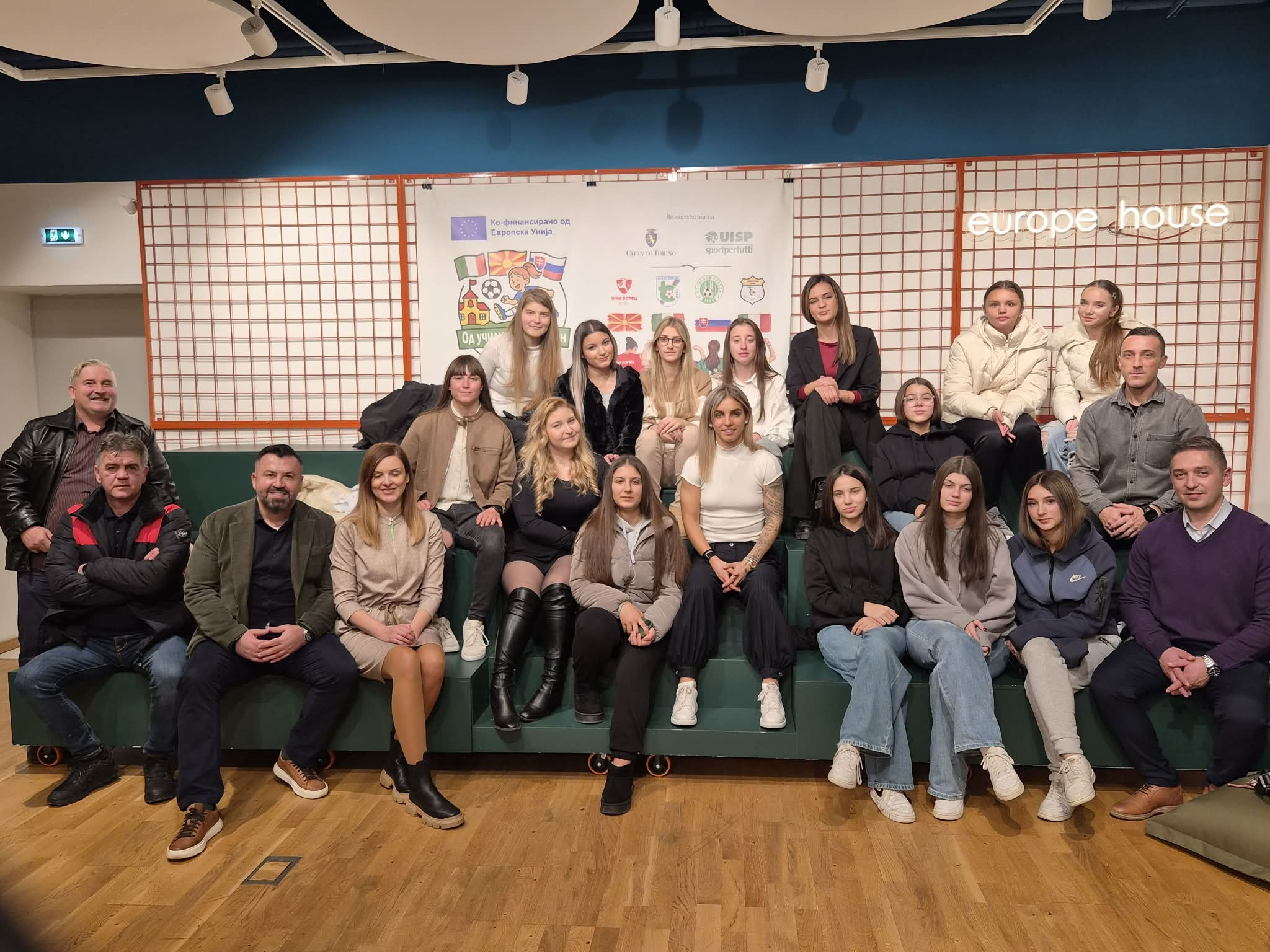
The discussion was enriched by the contribution of several distinguished speakers. Kiril Lazov, President, underlined the strategic importance of psychological preparation and strong leadership in the sustainable development of women’s football, stressing the responsibility of institutions in supporting athletes beyond the technical dimension of the game. Ile Mahlijanov, psychologist, provided a structured and accessible overview of psychological tools for competition, focusing on techniques for emotional control, concentration, confidence building and mental resilience. Natasha Andonova, the most renowned and successful female football player in the country, shared her personal experience at elite level, offering valuable insight into the psychological challenges of professional football and the crucial role of discipline, motivation and teamwork. The academic perspective was introduced by Professor Rizova, University Professor of Andragogy and Lifelong Learning, who highlighted lifelong learning and continuous personal development as essential elements for sustainable sporting and professional careers. The session was moderated by Liljana Lazova, who guided the discussion and ensured active participation and meaningful exchange among all attendees.
The impact of the activity was clearly visible. Participants demonstrated increased awareness of the importance of psychological preparation in competitive sport and a stronger understanding of practical mental tools that can be applied both on and off the pitch. The session contributed to strengthening self-confidence, motivation and emotional stability, while also enhancing team cohesion and mutual support. At the same time, it promoted the values of education, empowerment and lifelong learning that are central to the Erasmus+ programme, while increasing the visibility of the project and its European dimension.
The workshop generated significant interest and active engagement, leading to numerous questions and open discussions. Many players expressed a strong desire for continued psychological support and more in-depth work with a professional psychologist.
Based on the feedback received, it became clear that a single session is not sufficient to address the complex psychological challenges faced by athletes. For this reason, it was agreed that several additional workshops will be organised in the coming months within the Erasmus+ project framework. These future sessions will focus on specific thematic areas such as stress management, self-confidence, motivation, emotional regulation, team communication and mental resilience in competition, further strengthening the long-term impact of the project on participants’ personal and sporting development.
A football-focused sports activity for girls was successfully implemented at Primary School “Vasil Glavinov”, with the aim of promoting football among girls and encouraging regular physical activity, teamwork and inclusion. A total of ten girls took part in the session, which was designed to introduce them to the basic elements of football in a fun, safe and supportive environment.
The activity included structured warm-up exercises, coordination and movement games, and practical football drills such as ball control, passing and shooting. Small-sided games and interactive exercises were also organised, allowing the participants to apply the skills they had learned and to experience the dynamics of team play in an engaging and age-appropriate way.
Throughout the session, the atmosphere was highly positive and motivating, with all participants showing strong enthusiasm and active involvement. At the end of the activity, the girls expressed a clear interest in continuing and starting regular football training, confirming the effectiveness of the initiative in increasing motivation, confidence and awareness of football as an accessible and enjoyable sport for girls.
A football activity with girls was implemented on 22 December at the Primary School “Kiril and Methodius”. The activity was organized with the aim of promoting girls’ participation in football, encouraging regular physical activity, and strengthening values such as teamwork, inclusion, and fair play within the school setting.
The session was designed to introduce the participants to football in a structured yet enjoyable way. It included warm-up and mobility exercises, coordination and movement games, and basic football drills focusing on ball control, passing, and shooting. The activities were adapted to the participants’ age and skill level, allowing everyone to take part actively and confidently. Short-sided and playful games were also organized, giving the girls the opportunity to apply the newly learned skills in practice and to experience team dynamics on the pitch.
The activity took place in a positive, supportive, and motivating atmosphere, with a high level of engagement and enthusiasm from the participants. The girls demonstrated strong interest throughout the session and actively participated in all exercises. Following the activity, many participants expressed interest in starting regular football training, highlighting the effectiveness of the session in motivating girls and raising awareness about opportunities for continued involvement in football.
Overall, the activity contributed to building confidence, improving basic motor and football skills, and fostering a positive attitude toward sport and physical activity among girls.
On 21 December 2025, within the framework of the Erasmus+ Sport project “From Classrooms to the Pitch – Women’s Football”, the event “Tatranky and Ex-Tatranky Day” was successfully organised at Bowling pri Trati. The initiative aimed to promote girls’ football, inspire young players and provide them with a unique opportunity to meet and learn from experienced footballers who are currently playing and studying abroad.
The event brought together approximately 150 participants, including young players, coaches, parents and friends, creating a vibrant and inclusive community atmosphere. The programme was carefully designed to combine sporting, educational and social elements, ensuring an engaging and meaningful experience for everyone involved.
At the heart of the event was a friendly football tournament, during which young players took part in matches that allowed them to develop their technical skills, practice teamwork and experience the excitement of competition in a supportive and encouraging environment. The emphasis was placed on participation, enjoyment and fair play, reinforcing positive values alongside sporting development.
Alongside the sporting activities, an informal gathering with parents and friends provided space for dialogue, exchange of experiences and celebration of the girls’ achievements. This moment strengthened relationships within the football community and highlighted the important role of families in supporting young athletes’ development.
A key highlight of the day was the panel discussion with former Tatranky players who are currently pursuing football careers and academic studies abroad. Former players shared their personal journeys, speaking openly about their experiences in international environments, the challenges they faced, and the strategies they adopted to successfully balance education with competitive football. Their stories offered concrete insights into international pathways and served as a powerful source of motivation for the younger participants, encouraging them to set ambitious yet realistic goals in both sport and education.
Throughout the event, the atmosphere was positive, inclusive and highly motivating, with strong engagement from all participants. The combination of football activities and personal testimonies helped the girls to better understand the opportunities that football can offer beyond the local context, while also reinforcing the importance of education as a parallel pathway.
Overall, “Tatranky and Ex-Tatranky Day” successfully strengthened young girls’ interest in football and regular physical activity, fostered networking among players, coaches, parents and alumni, and provided practical guidance on pursuing football at a higher level while managing academic commitments. By highlighting strong role models who demonstrate how sport and education can be combined at an international level, the event fully reflected the objectives and values of the Erasmus+ project, confirming the power of football as a tool for inspiration, learning and personal growth.
Within the framework of the project “From Classrooms to the Pitch”, Cit Turin LDE organised the girls’ football tournament “Santa's Village”, dedicated to women’s teams in Under 12 and Under 15 categories.
The tournament took place on 21 December at the sports facility in Corso Ferrucci and represented a key moment for the dissemination of the FCTP project. In the weeks leading up to the event, the tournament poster—clearly presenting the objectives of “From Classrooms to the Pitch” and its European co-funding—was distributed to numerous women’s football clubs across the Piedmont region, ensuring wide visibility and engagement.
Fourteen women’s teams from across the region took part in the event. Over the course of the day, 25 matches were played across three pitches, creating a lively and festive atmosphere that combined competition, participation and celebration. In both the Under 12 and Under 15 categories, the teams of Torino FC emerged as tournament winners, after a full day of intense and enthusiastic matches.
During the lunch break, the young athletes were given the opportunity to attend the Serie C women’s match between Torino FC and Solbiatese, played at the same venue. For many of the girls, this was the first time they had ever seen a live match of a higher competitive category, allowing them to experience first-hand the quality, intensity and organisation of semi-professional women’s football. This moment proved to be particularly inspiring, offering concrete role models and reinforcing the idea that commitment and perseverance can open the door to higher levels of the game. At the same time, the presence of so many young athletes and families provided an unusually large audience for the Serie C match, benefiting both teams involved.
Throughout the day, the event attracted around 400 spectators, many of whom stayed for the final award ceremony, bringing the total number of people involved—athletes, staff, accompanying adults and audience members—to more than 600. This broad participation made the tournament an ideal opportunity to present the FCTP project to a large and diverse audience of women’s football stakeholders.
All participating teams were informed about the goals of “From Classrooms to the Pitch” and the values of the Erasmus+ Sport Programme. At the end of the tournament, the President of Cit Turin publicly addressed the athletes and spectators, explaining the objectives of the project and highlighting its European dimension. Each team received a commemorative plaque, while every athlete was awarded a medal bearing the logo of the project, reinforcing the sense of belonging to a shared European initiative. Throughout the event, project roll-ups remained clearly visible around the pitches, further strengthening the project’s visibility.
The tournament also reflected the project’s commitment to environmental sustainability. Meals were provided on site for approximately 150 athletes and accompanying adults, using ceramic plates, metal cutlery and glass cups, along with compostable tablecloths and napkins. During matches, athletes used reusable water bottles instead of disposable plastic bottles, fully in line with sustainable event practices.
Beyond its sporting success, “Santa's Village” was a significant step in presenting the FCTP project to a large number of women’s football clubs, laying the foundations for the creation of a broader network that extends beyond national borders. During the event, the public was invited to actively support the project’s growth, including the future expansion of international participation in the final tournament scheduled for June, reinforcing the vision of a European network built around girls’ football, education and shared values.
The tournament successfully combined sport, education and European citizenship, offering young athletes not only a memorable sporting experience, but also a clear message: football can be a powerful tool for inclusion, inspiration and international cooperation.
On 20 December 2025, a Coaches’ meeting was held within the framework of the Erasmus+ Sport project “From Classrooms to the Pitch – Women’s Football”. The meeting aimed to familiarise the coaching staff with the overall project framework, its objectives and planned activities, while also coordinating the next steps to ensure effective and coherent implementation.
The session primarily focused on the presentation of the Erasmus+ project, outlining its key outputs, expected results and strategic priorities. Particular emphasis was placed on the development of girls’ football, the promotion of inclusion and equal opportunities, and the role of sport as an educational tool for social and personal growth. Coaches were informed about their specific roles and responsibilities within the project, as well as the proposed timeline for the upcoming activities.
The final part of the meeting focused on reflection and evaluation. Coaches reviewed the activities implemented over the past year and assessed the results achieved, sharing insights on strengths, challenges and areas for improvement. Based on this discussion, recommendations were proposed to further enhance the quality and effectiveness of the project’s implementation in the next phase.
The meeting took place in a constructive and collaborative atmosphere, with active participation from all attendees. It resulted in a shared understanding of priorities and clearly defined outcomes, reinforcing the collective commitment to the continued success of the project.
Within the framework of the Erasmus+ project “From Classrooms to the Pitch / Women’s Football”, the first round of the football tournament and creative workshops took place on 16 December. The activities were hosted at the sports hall on Baštová Street in Prešov and were designed specifically for girls attending primary schools.
The football tournament targeted girls born in 2016 and later, corresponding to pupils from Grades 1 to 4 of primary school. A total of eight primary schools from the city of Prešov participated, involving 80 girls accompanied by their teachers. The event was also attended by female players from FC Tatran Prešov, as well as members of the organizing team. Overall, approximately 100 participants were involved in the activity.
The tournament was conceived primarily as an experiential and educational initiative. Its aim was to introduce girls to the basic principles of football, explain the fundamental rules of the game, encourage participation in the spirit of fair play, foster new friendships, and identify potential talents who may later join the training programmes of the girls’ teams at FC Tatran Prešov.
In addition to the football matches, the programme included creative workshops. During these sessions, participants worked together as school teams to artistically express the theme of the project “From Classrooms to the Pitch”, with a particular focus on the participating countries: Slovakia, North Macedonia and Italy. Individually, the girls constructed and decorated paper airplanes and then took part in a group competition to determine which airplane could fly the furthest.
The entire event was characterized by a positive, supportive, and motivating atmosphere, with a high level of engagement and enthusiasm from all participants. Throughout the tournament, the girls demonstrated strong interest in improving their skills, playing fairly, and achieving the best possible results while fully respecting the principles of fair play. They also participated actively and creatively in all workshop activities.
Following the tournament, several participants expressed interest in continuing with regular football training, highlighting the effectiveness of the initiative in motivating girls and increasing awareness of opportunities for further involvement in football.
Overall, the football tournament and creative workshops contributed to the discovery of new sporting talents, supported the development of basic movement and football skills, and helped foster a positive and lasting relationship with sport and physical activity among the participating girls.
On 6 and 7 December, the Italian partners of the Erasmus+ Sport project "From Classrooms to the Pitch" had the pleasure of welcoming the delegations from Slovakia and North Macedonia to Italy for the project’s international kick-off meeting.
This first in-person encounter marked a fundamental milestone for the project, offering a valuable opportunity to strengthen cooperation, align objectives, and build strong personal and professional relationships among partners.
The meeting officially opened on the morning of 6 January with a press conference held at the Cit Turin facilities. The event was attended by Ludovica Cioria, Vice President of the City Council, who represented local institutions and underlined the importance of European projects that promote inclusion, education, and gender equality through sport.
Following the institutional greetings, partners exchanged symbolic gifts as a sign of mutual respect and collaboration. The delegations then took part in a guided visit of the Cit Turin sports facilities, gaining insight into the club’s activities and its long-standing commitment to youth development and women’s football.
The morning concluded with a shared lunch at the sports center, an informal but meaningful moment that further strengthened the sense of partnership and European friendship.
In the afternoon, the international guests attended the final league match of the Borgo Vittoria U15 women’s team, experiencing firsthand the energy, passion, and values that the project aims to promote among young female athletes.
The day ended with a joint dinner in Moncalieri, where partners continued discussions in a relaxed atmosphere, reinforcing personal connections and cultural exchange.
On 7 January, the delegations enjoyed a visit to Turin’s historic city center, discovering its cultural heritage and sharing informal moments together. This second day provided further space for dialogue and reflection, strengthening trust and collaboration within the consortium.
Beyond the symbolic and cultural aspects, the kick-off meeting played a crucial strategic role. Partners used this opportunity to define and align the implementation plans for each country, discuss the upcoming study visits to Slovakia and North Macedonia, outline the structure and vision of the final international event, agree on coordination methods and shared priorities.
Above all, the meeting was a unique and enriching occasion to share the core values of the European Union: cooperation, inclusion, equality, and mutual understanding—through sport and education.
This first international gathering set a strong foundation for the months ahead, confirming the shared commitment of all partners to work together toward a meaningful and lasting impact for girls, schools, and local communities across Europe.
Within the framework of the project “From Classrooms to the Pitch”, co-funded by the Erasmus+ Sport Programme of the European Union, Cit Turin LDE organised a moment of reflection and awareness-raising on the occasion of the International Day for the Elimination of Violence against Women.
The event took place on 20 November and represented the first concrete activity promoted by Cit Turin LDE within the project. Although the official visual materials of the project (such as roll-ups and banners) were not yet available, the club deliberately chose to mark this important international day as an opportunity to begin talking publicly about the project, its European dimension, and its core values, particularly the fight against gender-based discrimination and violence.
The central moment of the initiative was the keynote talk delivered by Dr. Rosalba Fiando, Commander of the Proximity Policing Unit of the Turin Local Police, whose institutional mandate includes the prevention of discrimination and gender-based violence. Approximately 80 athletes, both girls and boys, together with around twelve coaches and team officials, took part in the meeting.
With strong communicative skills and an approach tailored to a young audience, Dr. Fiando guided the participants through a thoughtful reflection on the dynamics that can lead to gender-based violence. She emphasised the importance of empathy, mutual respect and healthy interpersonal relationships, underlining how both girls and boys should be encouraged to recognise, express and share their emotions and relational difficulties. According to her message, open dialogue and emotional awareness are essential tools for preventing inappropriate behaviours and building respectful relationships from an early age.
Particular attention was paid to the symbolic and educational value of the choice of speaker: a woman holding a senior leadership position within the Local Police of Turin, with extensive experience in inclusion and prevention policies. Equally significant was the club’s decision to actively involve male youth athletes, reinforcing the idea that the prevention of violence against women and gender discrimination is a shared responsibility.
Dissemination activities were carefully planned in line with Erasmus+ requirements. The event poster, clearly displaying the Erasmus+ Sport logo and co-funding reference, was distributed digitally to all club members and parents via WhatsApp groups and social media channels. At the end of Dr. Fiando’s intervention, the President of Cit Turin publicly presented the objectives of the project and of the Erasmus+ Sport Programme to all participants and spectators, formally linking the initiative to the broader European framework.
Information about the event and its Erasmus+ co-funding was subsequently published on the official Cit Turin LDE social media channels (Facebook and Instagram), ensuring visibility and outreach beyond the immediate participants.
Consistent with the project’s commitment to environmental sustainability, no printed materials were produced. All communication and dissemination activities were carried out digitally.
This first initiative marked an important starting point for the project, creating a meaningful space to introduce European values, promote gender equality and initiate an open discussion on violence prevention through sport. It set the tone for the activities to come, reaffirming sport as a powerful educational tool for inclusion, respect and social change.
We are proud to announce that “From Classrooms to the Pitch” (FCTP) has been officially selected for funding under the Erasmus+ Sport Programme of the European Union. This important achievement marks the beginning of a European journey built on shared values, cooperation and a strong commitment to gender equality in sport.
The project brings together partners from Italy, Slovakia and North Macedonia with the common goal of using football as an educational and social tool to promote inclusion, healthy lifestyles and equal opportunities for girls. By creating strong connections between schools, sports clubs and local communities, FCTP aims to break down stereotypes, reduce gender-based barriers and encourage more girls to approach sport with confidence and motivation.
At the heart of the project lies the belief that sport is much more than competition. Through teacher training, educational workshops in schools, activities for young female athletes and international exchanges, “From Classrooms to the Pitch” will empower girls, support educators and inspire cultural change both on and off the field. The project also places a strong emphasis on mental well-being, injury prevention, safety, and the creation of positive role models within women’s football.
This recognition by the European Union represents not only an important institutional endorsement, but also a responsibility. Being selected under Erasmus+ Sport means contributing actively to European priorities such as inclusion, diversity, non-discrimination, active citizenship and social cohesion. FCTP is designed to translate these values into concrete actions that have a lasting impact on young people and communities.
We would like to express our sincere gratitude to the European Union for its trust and support through the Erasmus+ Sport Programme. This funding makes it possible to transform ideas into real opportunities and to build strong, cross-border partnerships based on collaboration and mutual learning.
“From Classrooms to the Pitch” officially starts a new chapter today. Together with our European partners, schools, coaches, athletes and local institutions, we are ready to step onto the field and work for a future where sport is truly accessible, inclusive and empowering for all.
#fromclassroomstothepitch
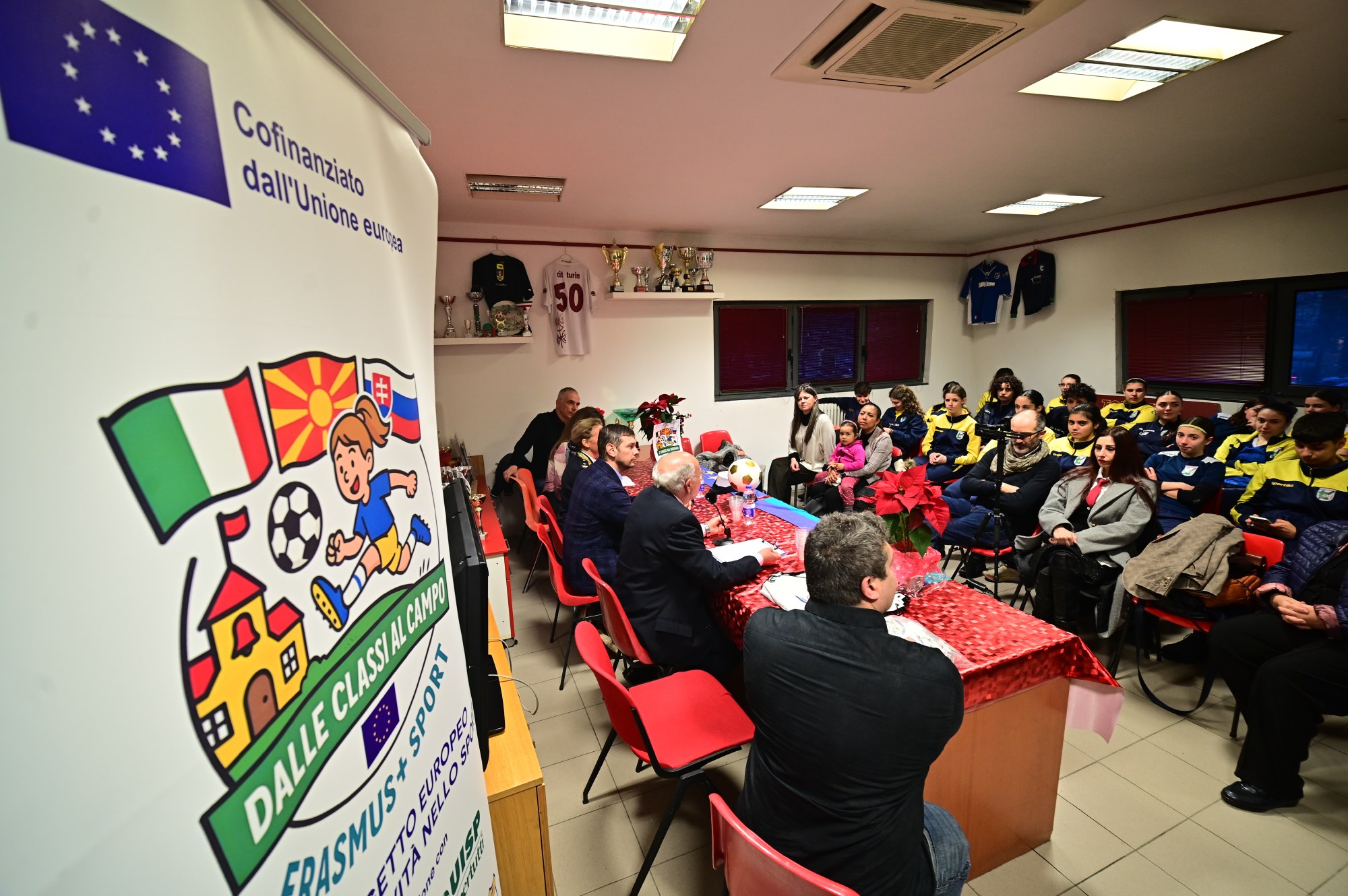
This section will collect the outputs produced by the schools involved in the project across Italy, Slovakia and North Macedonia.
Activities carried out in classrooms and on the field will be documented through reflections, photos and creative works developed by students and teachers.
The structure below anticipates the type of content that will be published at the end of the activities in each country.
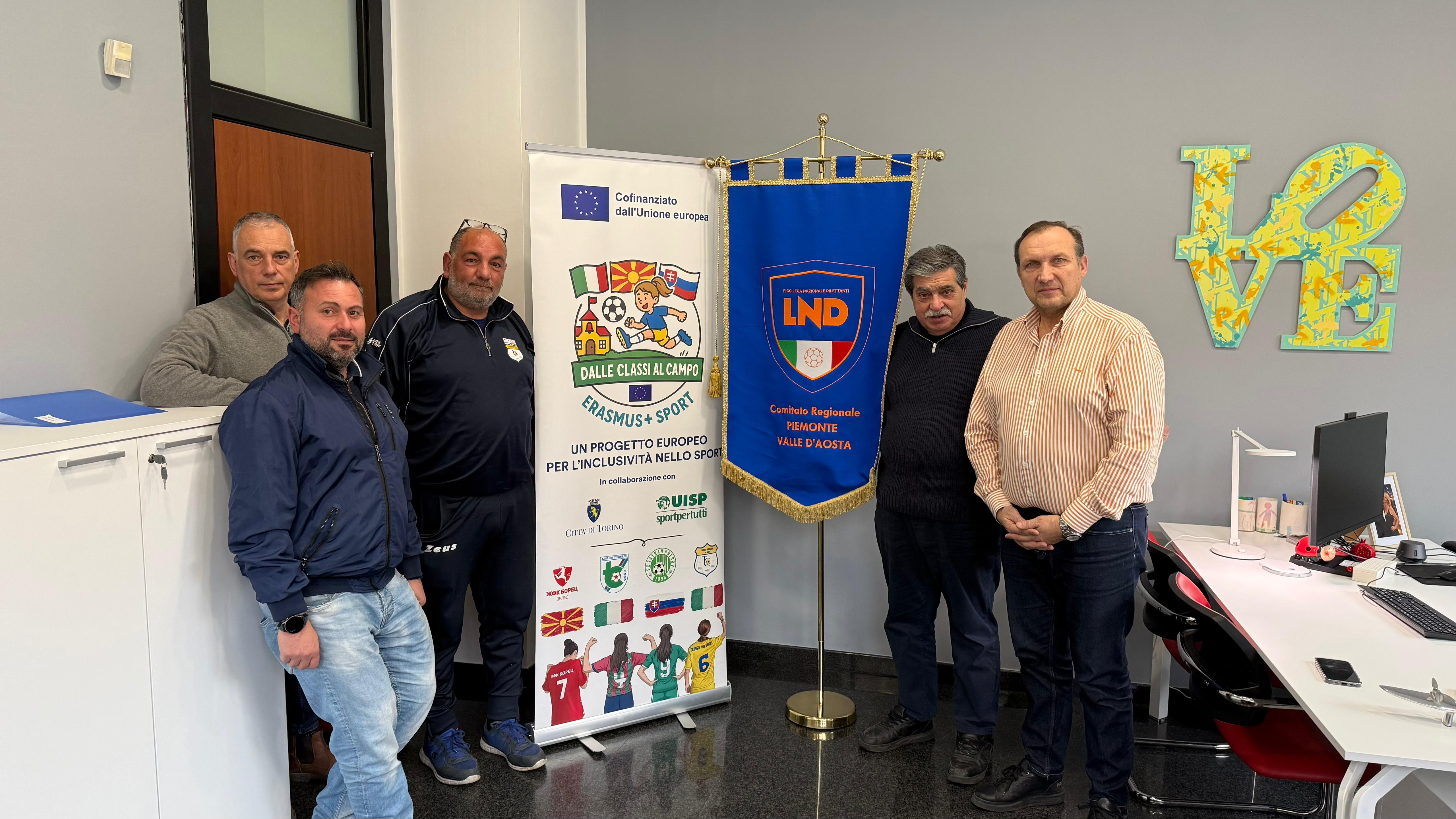
Educational activities focused on gender equality, inclusion and sport, developed and implemented by teachers within their classes.
Posters, reflections, drawings and other creative outputs produced by students during the project activities.
Visual documentation of workshops, classroom sessions and football activities, showing participation and engagement.
This section will be updated at the end of the activities.